

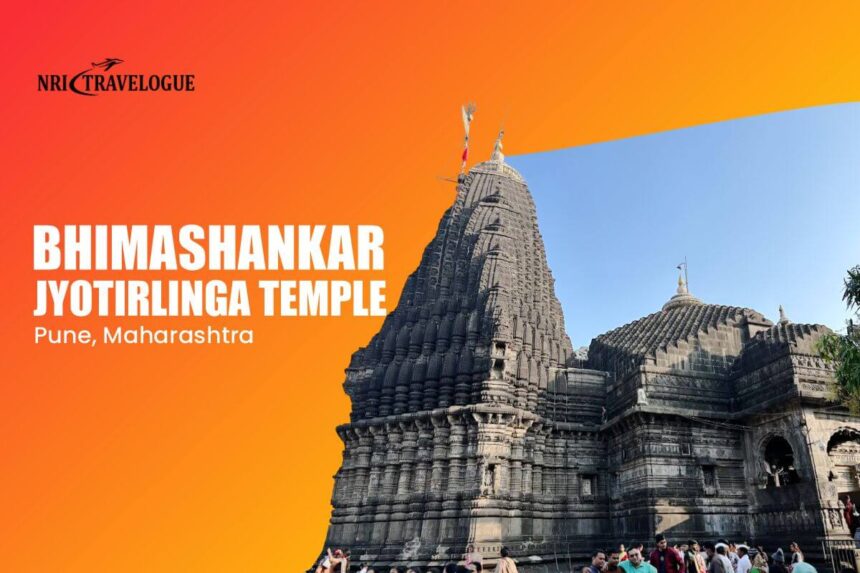
Located in the lush Sahyadri mountains of Maharashtra the Bhimashankar Jyotirlinga is one of the most sacred Shiva temples in India it is home to one of the 12 jyotirlingas making it a major pilgrimage spot for devotees from across the world. Surrounded by thick forests, waterfalls , wildlife and beautiful mountain peaks, it is not just a religious destination, it’s a perfect blend of spirituality, nature and adventure.
About Bhimashankar Jyotirlinga
Bhimashankar Jyotirlinga is a temple dedicated to Lord Shiva known here as bhima Shankar the destroyer of evil the giver of strength and the protector of devotees according to Hindu mythology Lord Shiva appeared here to defeat the powerful demon of tripurasura and the place became holy because of the divine presence.
Why Bhimashankar is Important:
- One of the 12 Jyotirlingas in India
- Surrounded by a wildlife sanctuary
- Ancient Nagara-style temple architecture
- Located in a beautiful hill range
- Major pilgrimage site during Mahashivratri and Shravan month
Location of Bhimashankar
The temple is located in the Ghat region of Sahyadri hills, about:
- 110 km from Pune
- 220 km from Mumbai
- 60 km from Manchar
Quick Facts
| Category | Details |
| Temple Name | Bhimashankar Jyotirlinga Temple |
| Location | Khed Taluka, Pune District, Maharashtra |
| Height Above Sea Level | Around 3,500 ft |
| Best Time to Visit | October to March |
| Major Festivals | Mahashivratri, Shravan Somvar |
| Entry Fee | Free |
| Darshan Timings | 4:30 AM – 12:00 PM, 1:00 PM – 9:30 PM |
| Nearest Airport | Pune Airport |
| Nearest Railway Station | Pune Junction |
| Ideal Trip Duration | 1–2 days |
Temple Timings (2025)
Daily Timings
- Temple Opens: 4:30 AM
- Kakad Aarti: 4:45 AM
- Regular Darshan: 5:00 AM – 12:00 PM
- Temple Closed: 12:00 PM – 1:00 PM
- Evening Darshan: 1:00 PM – 9:30 PM
- Shringar & Aarti: 4:30 PM – 5:00 PM
Mythological Significance
According to Shiv purana the powerful demon Tripurasura did severe penance and received blessings. But he misused his powers to trouble gods and sages. To restore peace Lord Shiva appeared at Bhimashankar Jyotirlinga fought the demon and defeated him. After the divine battle Shiva manifested as a jyotirlinga making the place really sacred.
How to Reach Bhimashankar (2025)
By Road
Bhimashankar is well connected by road.
- From Pune → Via Nashik Road / Manchar
- From Mumbai → Via Malshej Ghat or Kalyan
State transport buses and private cabs are available.
By Train
- Pune Railway Station (110 km away)
From Pune, take a bus or taxi.
By Air
- Nearest Airport: Pune International Airport
Regular taxis and buses run towards Manchar and Bhimashankar.
Bhimashankar Wildlife Sanctuary
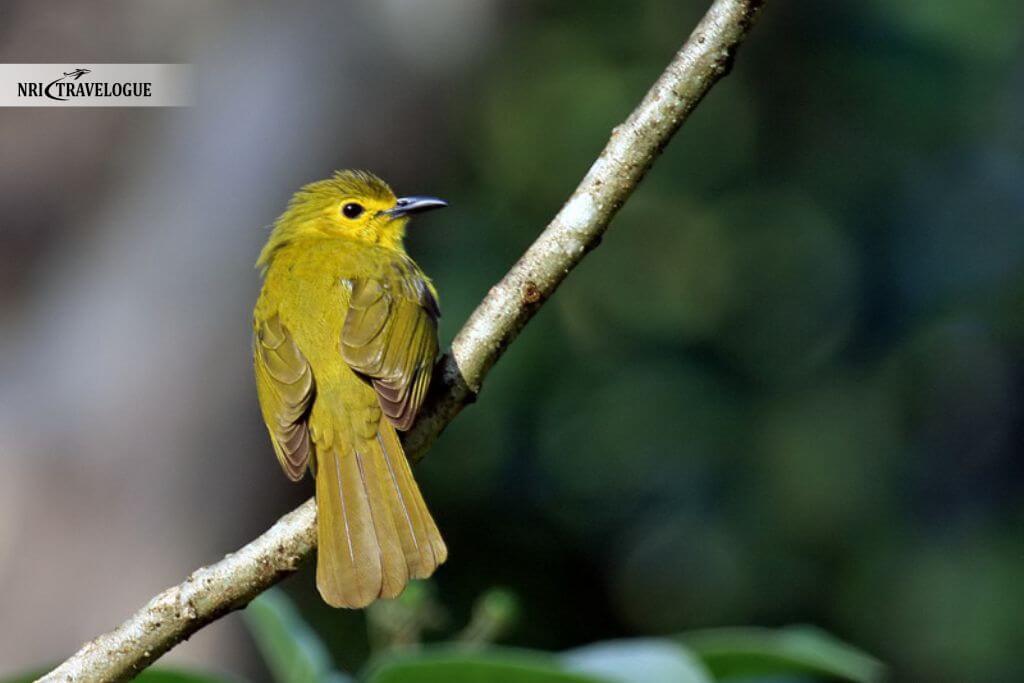
Before reaching the temple, you enter the Bhimashankar Wildlife Sanctuary, home to:
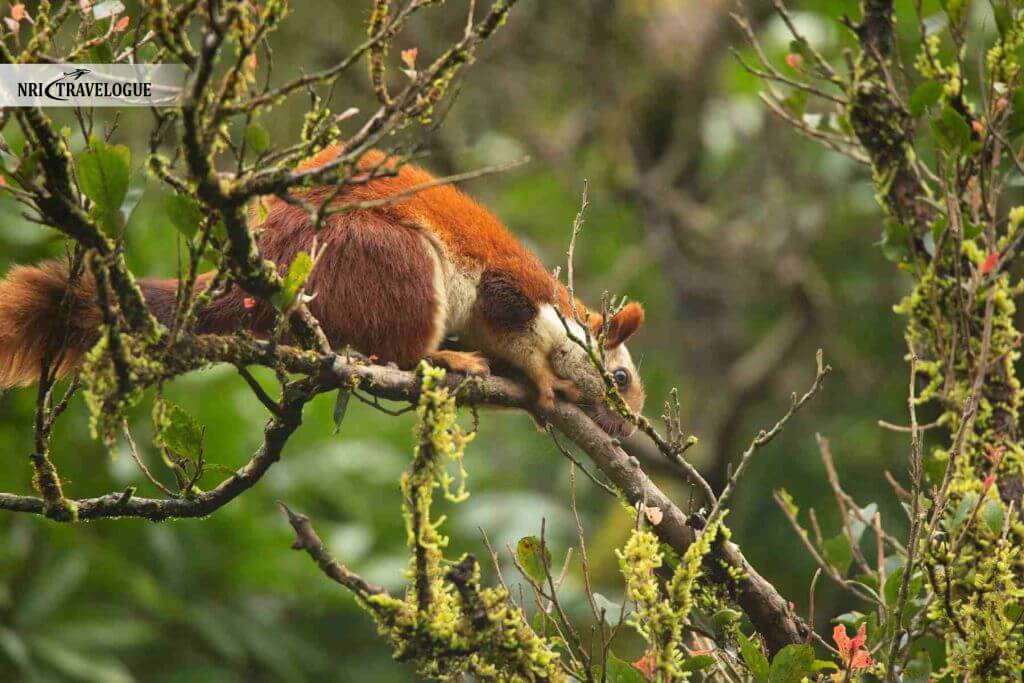
Shekru (Giant Squirrel – Maharashtra’s state animal)

Leopards
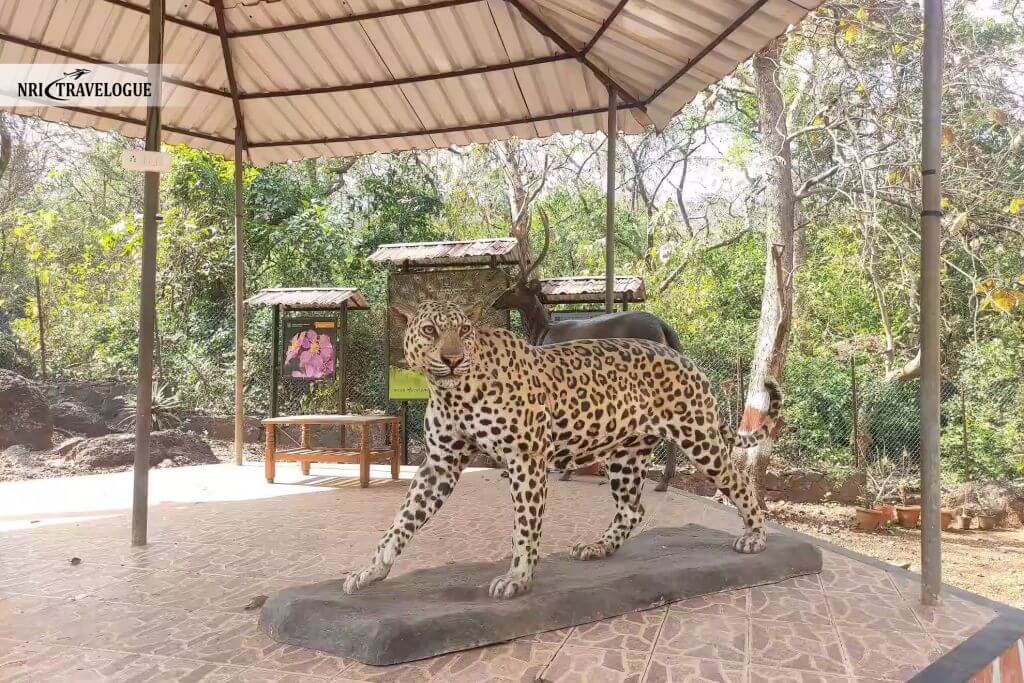
Barking deer

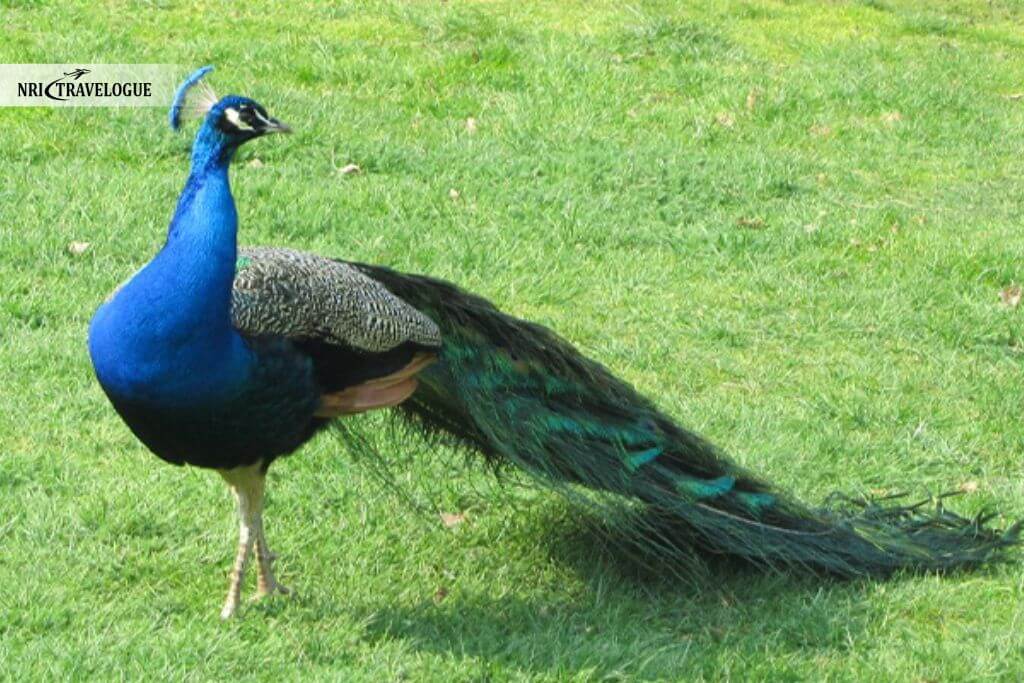
Peacock
Jungle fowl
Several medicinal plants and rare birds
Temple Architecture
The temple is a wonderful example of nagara style architecture with touches of hemandipathy stonework. The temple is even believed to be built during the 12th to 13th century and renovated several times.
Architectural Highlights:
- Black stone structure
- Carved pillars and sculptures
- Peaceful inner sanctum
- Wooden roof in some parts
- Nagara tower rising above the shrine
Best Time to Visit Bhimashankar (2025)
Bhimashankar is open all year, but each season offers a different experience.
Winter (October–March) – Best Season
- Pleasant weather
- Ideal for trekking
- Clear temple surroundings
Monsoon (June–September) – Most Beautiful
- Lush greenery
- Waterfalls everywhere
- Roads can be slippery
Summer (April–June)
- Hot afternoons
- Early morning darshan recommended
Actually the best overall months include November, December , January and February.
Popular Trekking Routes to Bhimashankar
Bhimashankar is a major trekking destination in Maharashtra.
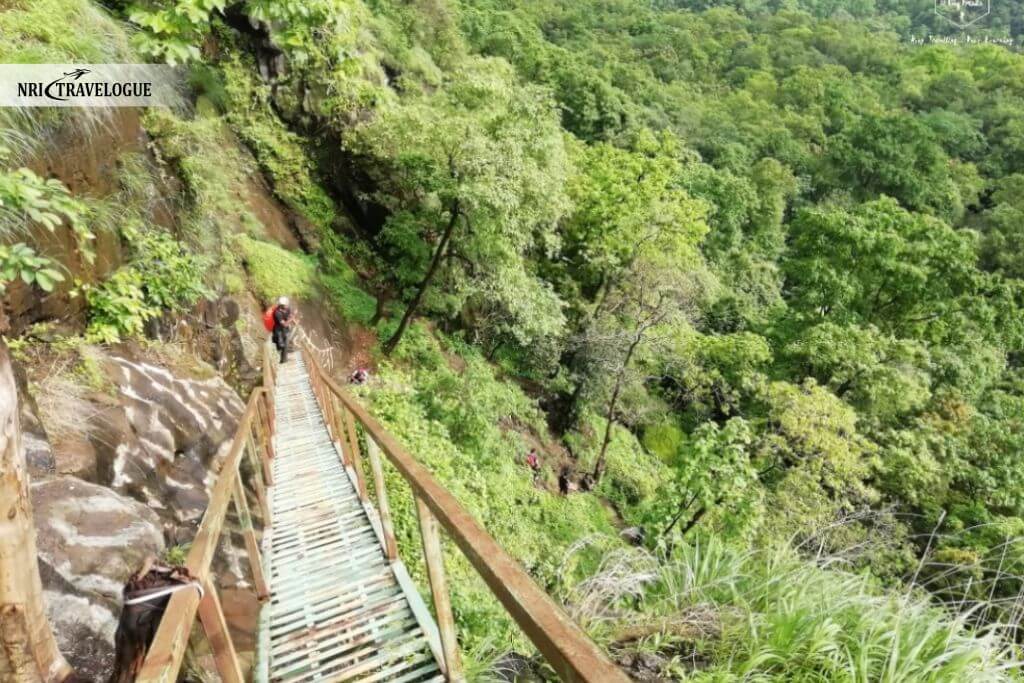
1) Shidi Ghat Route (Tough)
- Steep climb
- Metal ladder sections
- For experienced trekkers
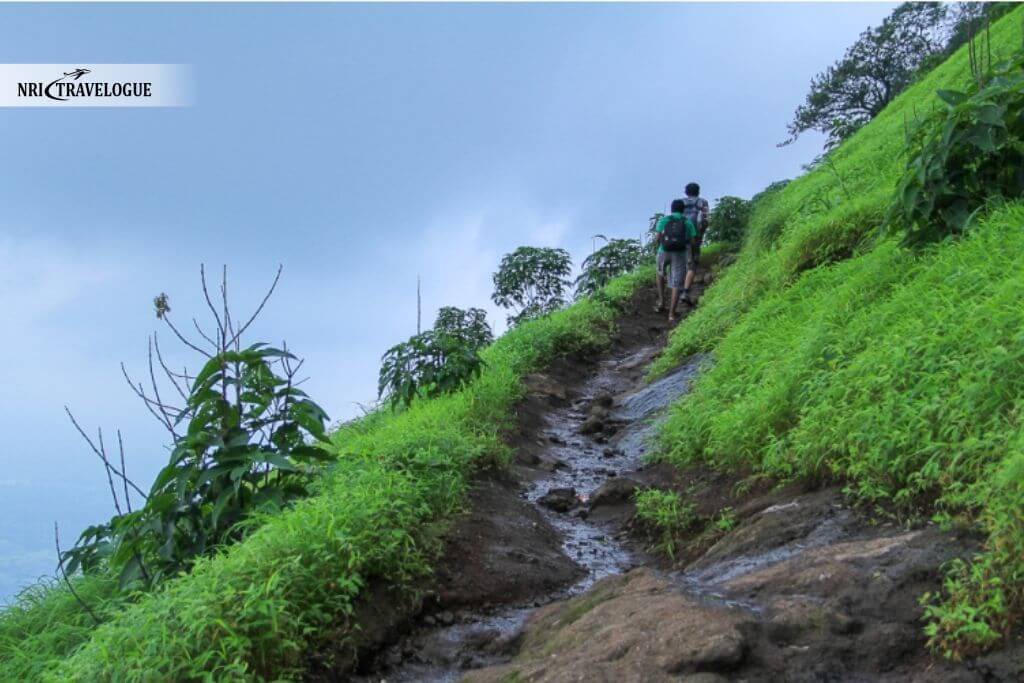
2) Ganesh Ghat Route (Easy–Moderate)
- Scenic forest path
- Waterfalls during monsoon
- Popular among beginners
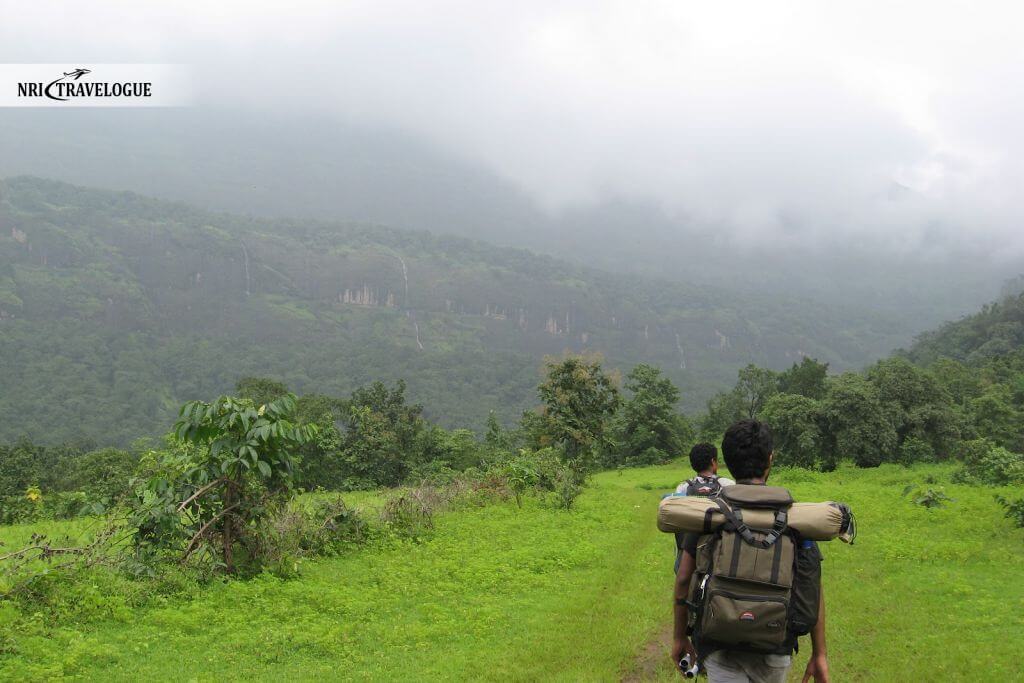
3) Khandas Village Route
- Beautiful valley views
- Perfect for group trekking
Rituals & Pooja at Bhimashankar
Daily Rituals Include:
- Kakad Aarti
- Maha Naivedyam
- Shringar Pooja
- Evening Aarti
Special Poojas:
- Rudrabhishek
- Laghu Rudra
- Mahamrityunjay Jaap
Where to Stay?
You can actually choose temple trust guest houses and it promises basic amenities and affordable prices. Private lodges are also available near the temple and it’s great for families. Forest guest houses are located inside the sanctuary , perfect for nature lovers. Resorts near Karjat are great for tourists combining tracking and temple visits.
Local Food Options
Food options are simple but satisfying.
Popular Items:
- Poha
- Upma
- Vada Pav
- Hot Tea
- Thali meals at local dhabas
Photography Guide
Bhimashankar offers countless photography opportunities.
Best Spots:
- Temple entrance
- Forest trails
- Waterfalls during monsoon
- sunrise and misty hills
- Wildlife sanctuary
You can actually use wide angle lenses and morning light is best.
Travel Tips for 2025
You must visit early in the morning to avoid the crowd in the temple. Avoid weekends during the shravan month and keep your footwear in designated areas. If you are planning to visit the monsoon roads can be slippery so Dr. carefully and carry rainwater. If you plan to go trekking then go with a trained guide and carry enough water. Respect no flash zones inside the temple photography and keep the camera dry.
Bhimashankar Jyotirlinga is a place where faith meets nature, the powerful presence of Lord Shiva, the sound of bells, the cool mountain breeze and the peaceful forests create an atmosphere that stays in your heart forever. Whether you are visiting as a devotee or a nature lover Bhimashankar Jyotirlinga offers a complete experience, spiritual , refreshing and unforgettable. So in 2025 plan your pilgrimage to this sacred hill temple and let the divine energy of Bhimashankar Jyotirlinga bless your journey.