
Australia, which is in the Southern Hemisphere, holds the world’s oldest fossil at 3.4 billion years old and boasts over 750 reptile species, more than any other country. Kangaroos and emus can’t walk backward, explaining their spots on the coat of arms, while baby kangaroos measure just one centimeter at birth.
It is a land of remarkable contrasts, known for its vast outback landscapes, vibrant cities, ancient Indigenous cultures, and world-famous natural wonders. The country, surrounded by the Indian and Pacific Oceans, has some of the most diverse ecosystems. One of its greatest treasures lies off the northeast coast of Queensland: the Great Barrier Reef.
If you are planning a visit, understanding a few fascinating facts before you go can greatly enhance your experience. Many travelers turn to the best Australia travel agency to help them plan a responsible and unforgettable journey to this iconic destination.
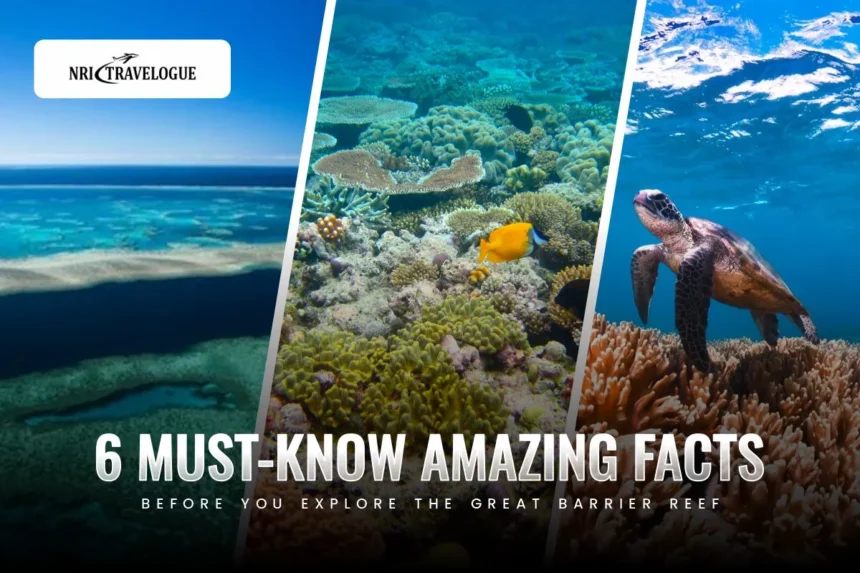
Below are six amazing facts you should know before exploring the Great Barrier Reef.
1. It Is the Largest Living Structure on Earth
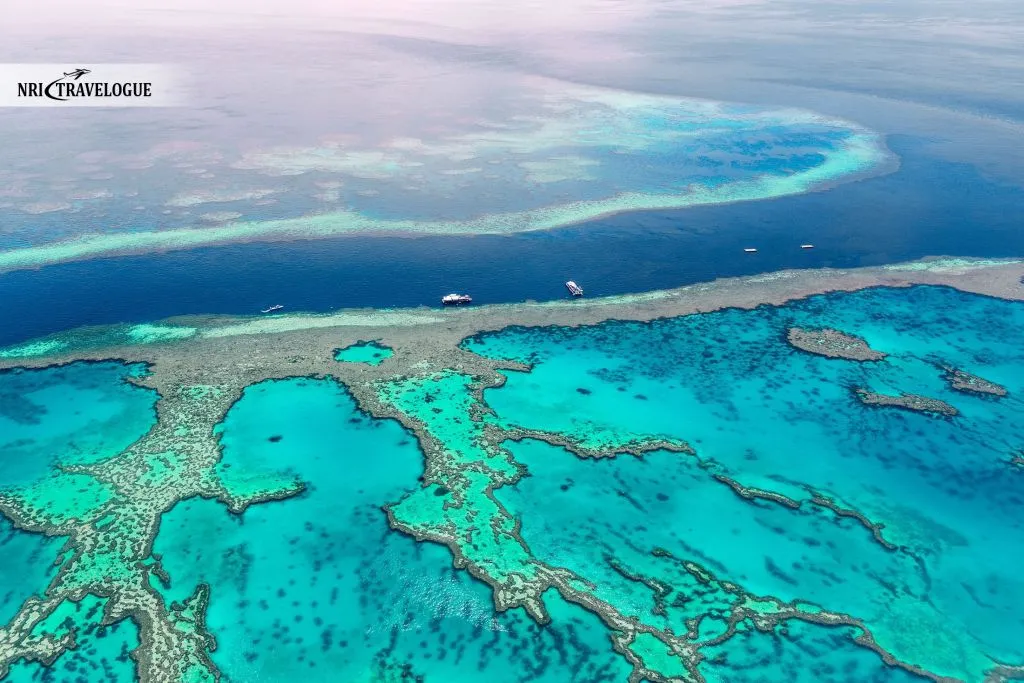
The Great Barrier Reef is so vast that it can be seen from space. Stretching over 1,400 miles along Australia’s northeastern coastline, it is composed of nearly 3,000 individual reefs and more than 900 islands.
2. The Reef Is Home to Extraordinary Biodiversity
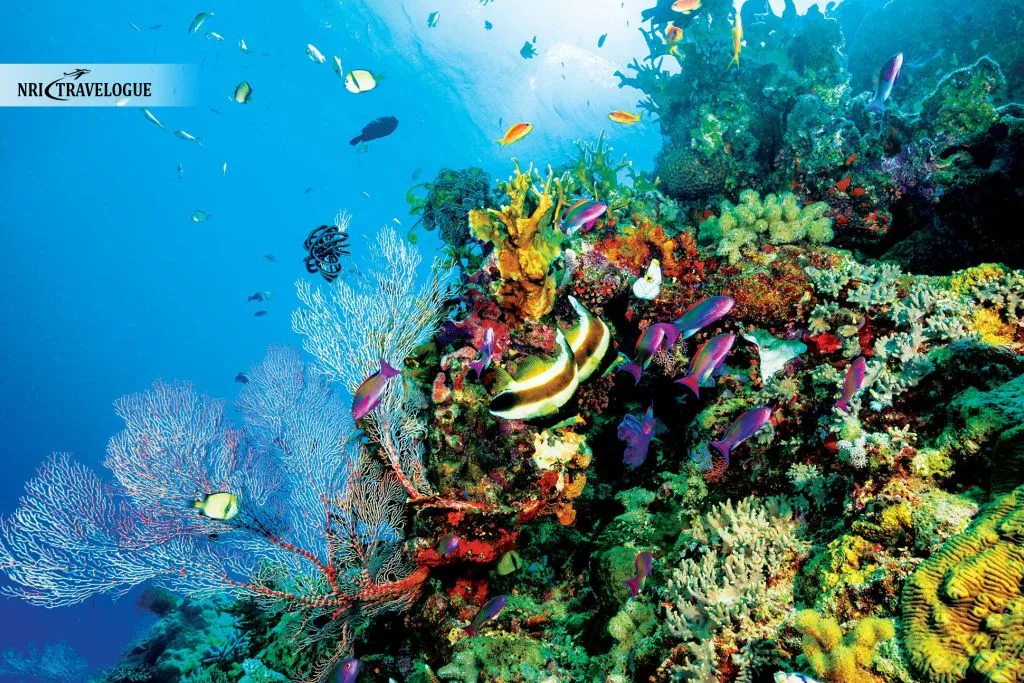
The Great Barrier Reef is one of the most biologically diverse ecosystems in the world. It supports more than 1,500 species of fish, over 400 types of coral, and thousands of mollusks.
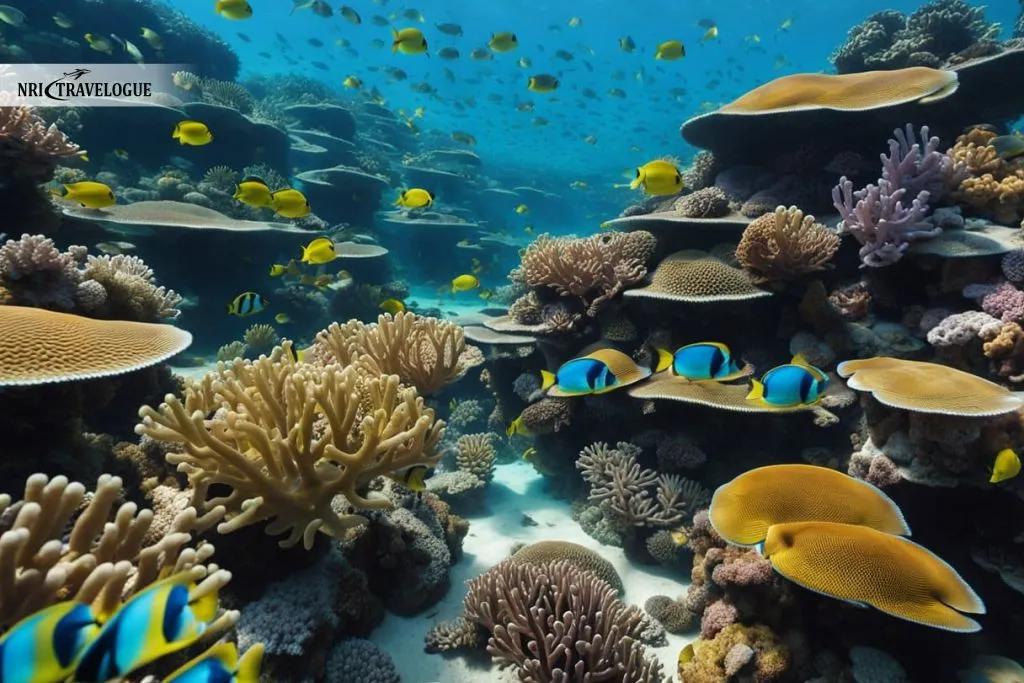
Visitors may encounter sea turtles, reef sharks, giant clams, rays, and even migrating whales depending on the season. This rich biodiversity makes every dive or snorkeling trip unique, as no two reef experiences are ever exactly the same.
3. Coral Reefs Are Alive and Extremely Sensitive
One common misconception is that coral is a plant or rock. In reality, coral is a living animal made up of tiny organisms that depend on clean, warm water and stable conditions to survive. Even small changes in water temperature or pollution levels can stress coral, leading to bleaching.
4. Indigenous Australians Have a Deep Connection to the Reef
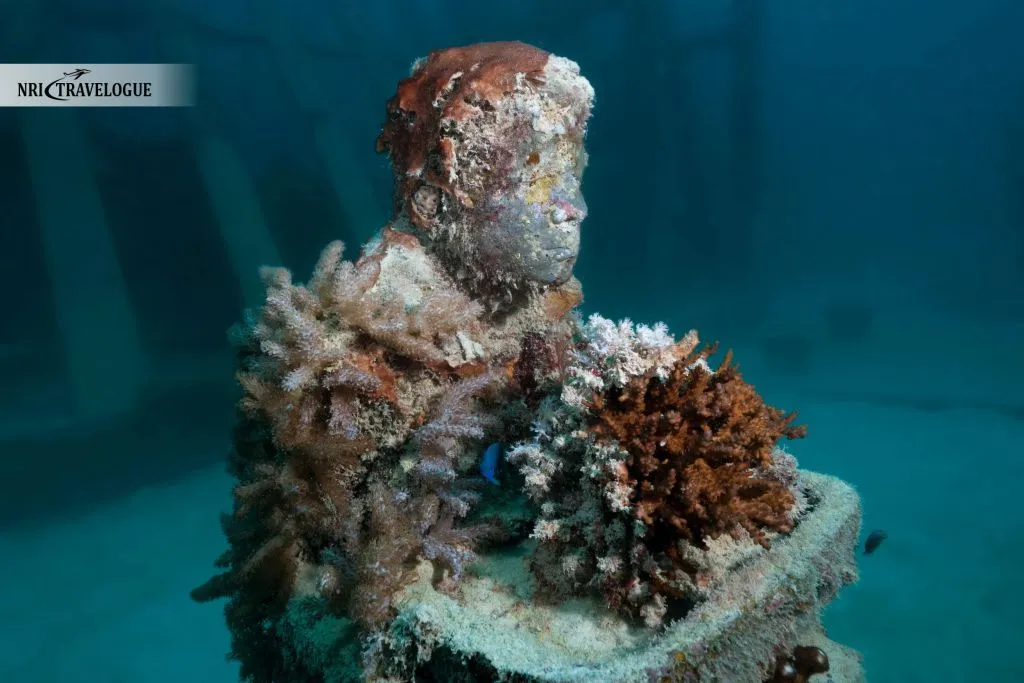
The Great Barrier Reef is not just a natural wonder; it is also a cultural landscape with deep significance to Aboriginal and Torres Strait Islander peoples. Indigenous communities have lived along the reef’s coastline for tens of thousands of years, developing rich traditions, stories, and sustainable fishing practices connected to the sea.
5. You Can Experience the Reef in Many Different Ways
Exploring the Great Barrier Reef is not limited to scuba diving. Snorkeling, glass-bottom boat tours, sailing trips, and scenic flights all provide unique perspectives of the reef. For those who prefer to stay dry, underwater observatories and island resorts offer accessible ways to enjoy the marine environment.
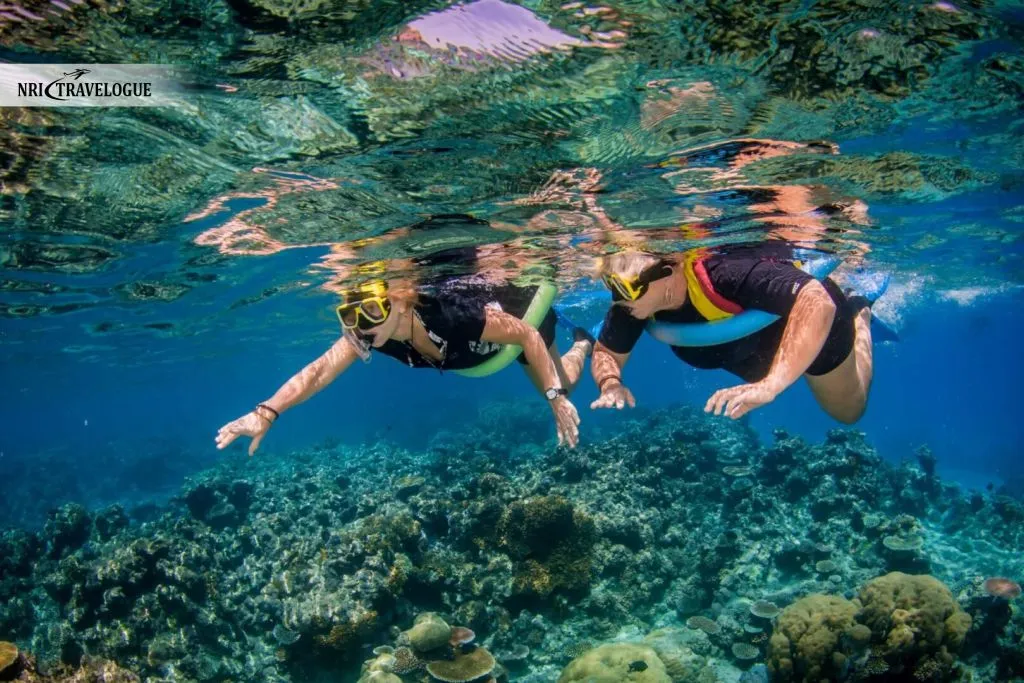
Choosing the right experience depends on your comfort level, interests, and travel style. This is where working with the best Australian travel agency can make a real difference by matching you with the most suitable reef activities.
6. Conservation Efforts Are Ongoing and Evolving
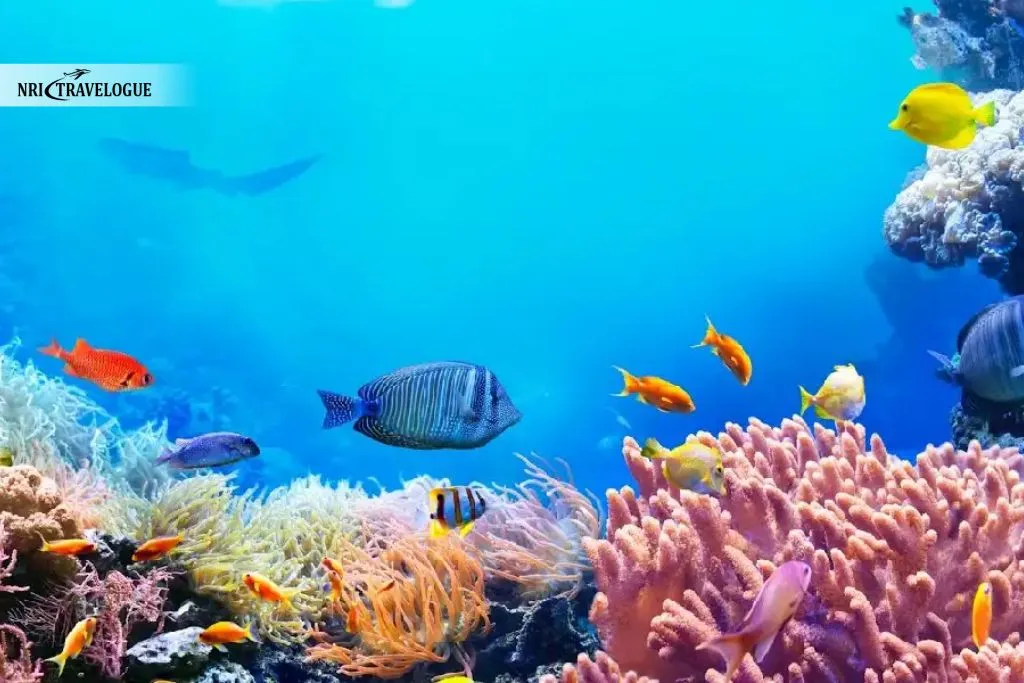
The Great Barrier Reef is a UNESCO World Heritage Site, and extensive efforts are underway to protect it for future generations. Scientists, conservation groups, and local communities work together on coral restoration, water quality improvement, and climate research.
Key Takeaways
- Australia is home to the Great Barrier Reef, the largest living structure on Earth.
- The reef supports extraordinary marine biodiversity found nowhere else.
- Coral is a living organism that requires careful protection from human impact.
- Indigenous Australians have a deep cultural and spiritual connection to the reef.
- There are many ways to experience the reef beyond scuba diving.
- Responsible travel supports ongoing conservation efforts and reef preservation.