

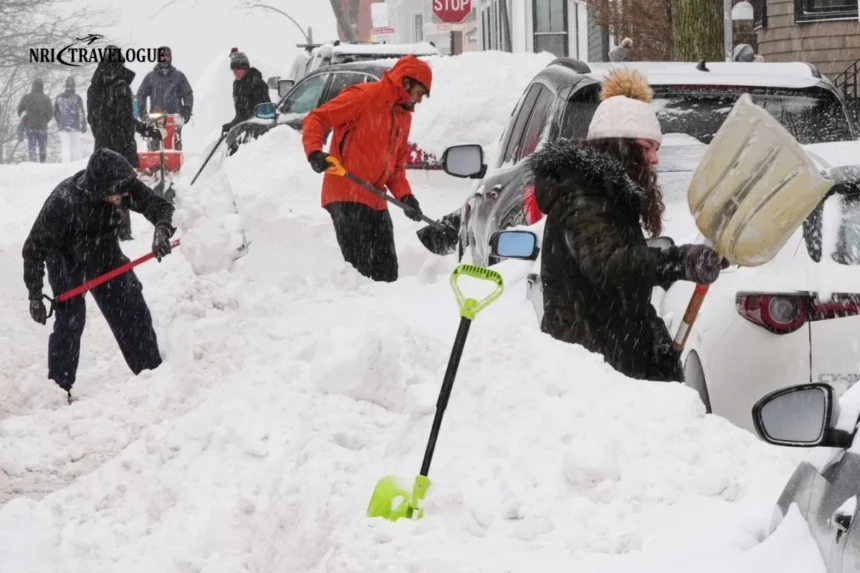
Across large parts of the United States, extreme winter storm alerts are raising serious concerns as forecasts point to snowfall totals reaching or exceeding 12 inches in some communities. For many residents, this is not just another snowy week. Heavy accumulation, strong winds, and plunging temperatures create real risks to daily life, infrastructure, and personal safety. When a winter storm warning is issued, it signals that dangerous conditions are either imminent or already happening, and preparation is no longer optional.
This article breaks down what these extreme winter storm alerts mean, which regions are most at risk, how communities can prepare, and why taking official warnings seriously can make a critical difference. The goal is simple: help readers understand the situation clearly and act wisely before conditions worsen.
What Extreme Winter Storm Alerts Really Mean
Extreme winter storm alerts are issued when meteorologists expect severe snow, ice, or a combination of both that can significantly disrupt travel and normal activities. A winter storm warning typically indicates heavy snowfall of at least 6 inches within 12 hours, or more than 8 inches within 24 hours. In the current forecasts, some areas are expected to see up to 12 inches or more, pushing conditions into the high-risk category.
These alerts are based on detailed weather models that track moisture, temperature shifts, and wind patterns. When cold Arctic air collides with moisture from storm systems, snow bands can intensify quickly. That is why warnings sometimes escalate from watches to full alerts in a short window.
Ignoring a winter storm warning can lead to stranded vehicles, power outages, and delayed emergency response. Understanding the severity behind these alerts helps residents treat them with the urgency they deserve.
Regions Most at Risk From 12-Inch Snowfall
The current storm system is expected to impact multiple regions across the US, though intensity will vary. The Midwest and Northeast are among the most vulnerable, with states like Michigan, Wisconsin, New York, and Pennsylvania facing prolonged snowfall and blowing snow. Parts of the Rocky Mountains and the northern Plains may also experience heavy accumulation paired with dangerously low wind chills.
Urban areas are not immune. Cities with dense traffic and older infrastructure can struggle during rapid snowfall. A winter storm warning in a metro area often leads to school closures, flight cancellations, and delayed public services. Rural communities face different challenges, including limited snow removal resources and longer response times for emergencies.
Local geography plays a major role. Lake-effect snow near the Great Lakes, for example, can double predicted totals in a matter of hours. That is why residents are advised to follow local updates closely rather than relying only on national forecasts.
Key Dangers Communities Should Prepare For
Heavy snowfall is only part of the threat. Extreme winter storms often bring a combination of hazards that compound their impact.
Travel disruptions are one of the most immediate dangers. Snow-covered roads, poor visibility, and black ice make driving hazardous. During a winter storm warning, authorities often recommend avoiding non-essential travel altogether.
Power outages are another major concern. Wet, heavy snow can weigh down power lines and tree branches, leading to widespread outages. In freezing temperatures, loss of heating can quickly become life-threatening, especially for older adults and young children.
Health risks also increase. Prolonged exposure to cold raises the risk of hypothermia and frostbite. Snow shoveling, a common winter task, is a leading cause of winter-related injuries and cardiac events. When a winter storm warning is active, residents should pace physical activity and seek help if needed.
How to Respond When a Winter Storm Warning Is Issued
Preparation and timing matter. When meteorologists issue a winter storm warning, it is a signal to act immediately rather than wait for conditions to worsen.
Households are advised to stock essentials such as food, water, medications, flashlights, and batteries. Keeping mobile devices charged and having a backup power source can be invaluable during outages. Heating systems should be checked in advance, and alternative heat sources should be used safely to avoid fire or carbon monoxide risks.
For those who must travel, emergency kits in vehicles are critical. Blankets, warm clothing, a shovel, and basic first-aid supplies can be lifesavers if someone becomes stranded. Employers and schools often adjust schedules when a winter storm warning is in effect, reducing unnecessary exposure.
Community-level coordination also plays a role. Local governments, utility providers, and emergency services rely on residents to follow guidance so resources can be directed where they are most needed.
Conclusion: Stay Informed, Stay Safe
Extreme winter storm alerts are not meant to alarm but to protect. A forecast calling for 12 inches of snow signals a serious event that can disrupt daily life and put lives at risk if ignored. Treating a winter storm warning as a call to action helps families, neighborhoods, and entire communities reduce harm and recover faster.
Staying informed through trusted weather updates, preparing early, and following local advisories are the most effective steps anyone can take. As winter storms continue to intensify across parts of the US, proactive planning is no longer just smart. It is essential. When the next winter storm warning appears, readiness will be the strongest defense.