
There are few cities in the world where wellness is part of the city’s origin story. Tbilisi is one of them. According to legend, King Vakhtang Gorgasali founded the city after discovering its natural hot springs while hunting. The word “Tbilisi” itself comes from the Georgian word tbili, meaning warm.
Today, those same mineral-rich waters flow beneath the brick domes of the historic bath district in Tbilisi. What was once a royal indulgence is now one of the most authentic wellness experiences in the Caucasus region.
If you are planning a trip to Georgia and searching for something beyond wine tours and mountain views, the sulphur baths offer something rare: a chance to slow down, reset, and feel part of a centuries-old tradition. In this guide, you will learn what makes the sulphur baths special, how to plan your visit, what to expect, and why this experience deserves a spot on your travel itinerary.
Why the Sulphur Baths Matter in Tbilisi
The sulphur baths are not a tourist invention. They are woven into the daily life and history of the city. Located in the Abanotubani district, the bathhouses sit over natural hot springs that maintain temperatures between 38°C and 40°C year-round.
Writers and travelers have praised them for centuries. Even Alexander Pushkin once described the baths of Tbilisi as among the finest he had experienced.
For locals, visiting a bathhouse is not only about relaxation. It is about community, health, and ritual. Families gather here. Friends book private rooms to celebrate milestones. Businesspeople meet to unwind after long workdays. The baths are as much social hubs as they are wellness retreats.
When you visit, you are stepping into a living tradition, not just a spa session.
What Makes Tbilisi’s Sulphur Baths Unique
1. Natural Thermal Waters
The hot water used in the bathhouses is naturally heated underground. There is no artificial warming system.
The mineral composition, especially sulphur, is believed to help with:
- Muscle and joint pain
- Skin conditions
- Circulation issues
- Stress relief
While medical claims vary, many travelers report noticeable relaxation after even one session.
2. Distinctive Persian-Style Architecture
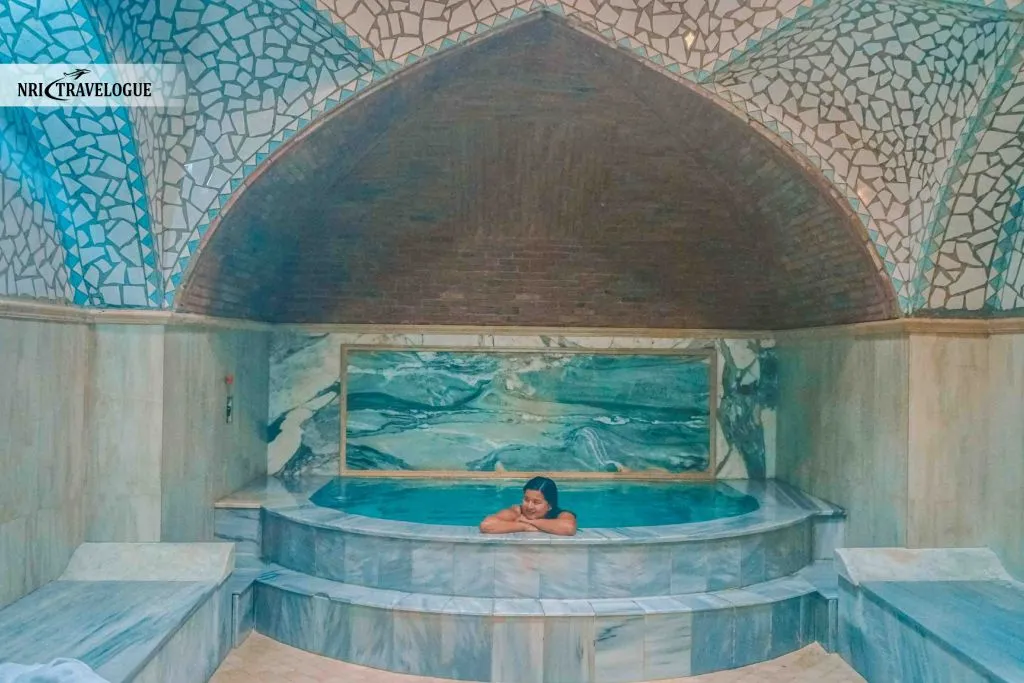
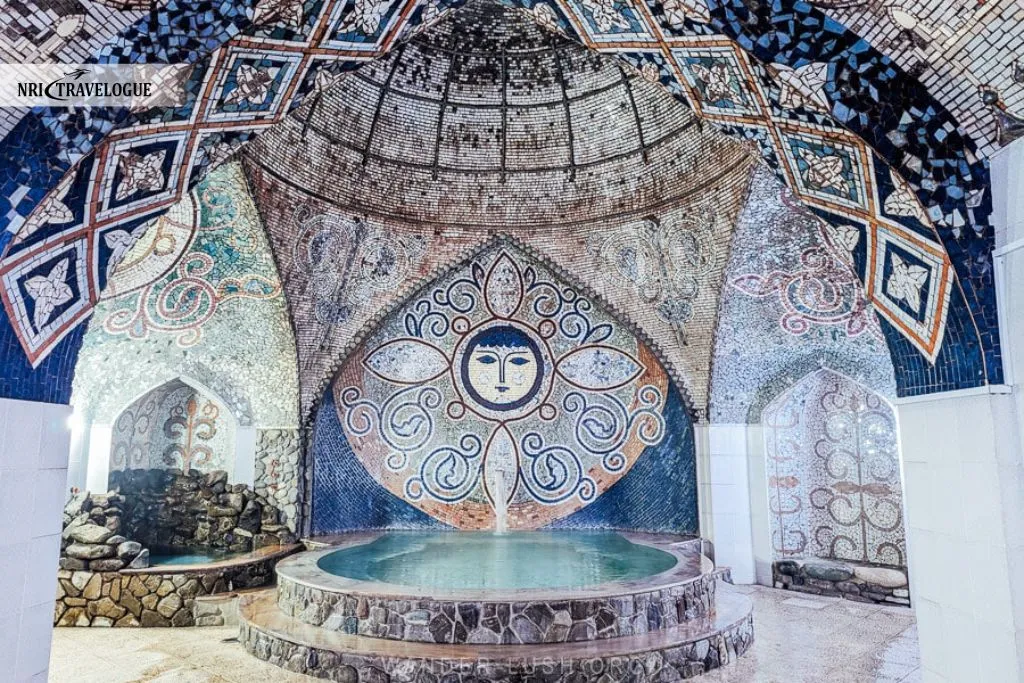
The low brick domes you see rising from the ground are iconic. From above, the bath district looks almost like a cluster of small, rounded hills. Inside, you will find tiled rooms, marble pools, and steamy chambers lit through small circular skylights.
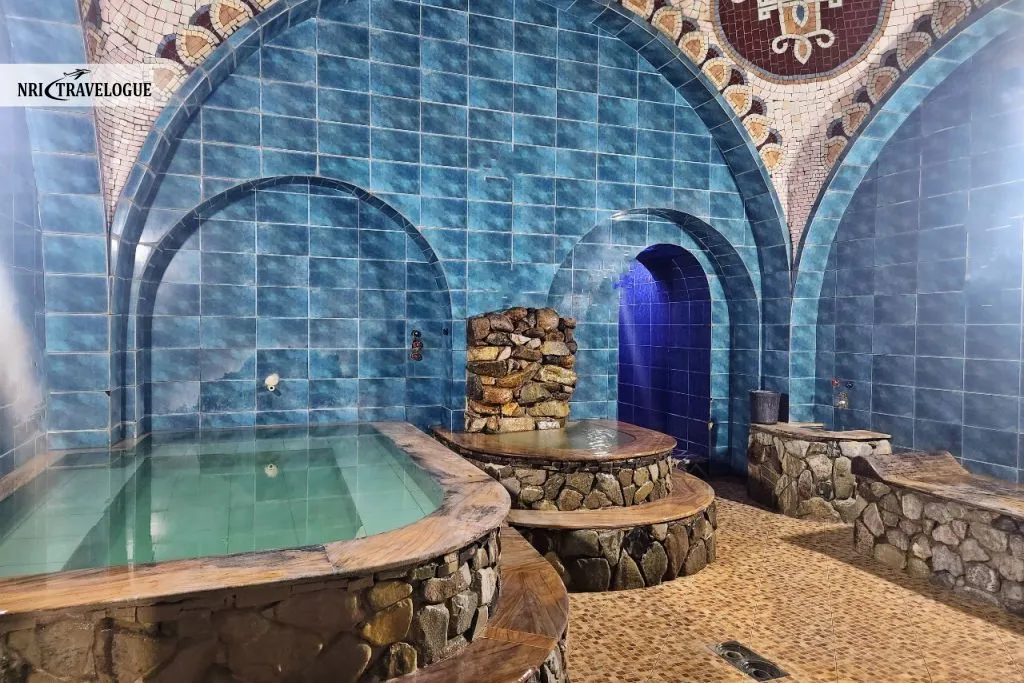
The architecture reflects Persian influence, reminding visitors that Georgia has long been a crossroads of cultures.
3. Traditional “Kisa” Scrub
One of the highlights of the sulphur bath experience is the vigorous body scrub known as kisa. Performed by an attendant, this exfoliating treatment removes dead skin and leaves your body feeling incredibly smooth.
If you have never tried a traditional bathhouse scrub before, be prepared. It is not gentle. But afterward, you will understand why people swear by it.
Planning Your Sulphur Bath Experience
If you are searching online for a “wellness retreat in Tbilisi Georgia,” the sulphur baths will almost certainly top your list. Here is how to plan it properly.
Choosing the Right Bathhouse
Several historic bathhouses operate in the Abanotubani district. Among the most well-known are:
- Orbeliani Baths
- Chreli Abano
- Royal Baths
Some offer public bathing areas separated by gender. Others focus mainly on private rooms, which are popular among tourists.
If privacy matters to you, book a private room. You will get your own hot pool, a cool plunge option, and sometimes a small sauna area.
Booking in Advance
During peak tourist seasons, especially summer and early autumn, reservations are recommended. Many bathhouses allow online bookings or reservations through hotel concierges.
If you walk in without a booking, you may need to wait or accept a time slot that does not suit you.
What to Bring
Most bathhouses provide:
- Towels
- Slippers
- Basic toiletries
Still, it is smart to bring:
- A swimsuit if you prefer one (not always required in private rooms)
- Flip-flops
- A change of clothes
- Water for hydration
Step-by-Step: What Happens During a Sulphur Bath Session
For first-time visitors, the experience can feel unfamiliar. Here is what a typical visit looks like.
Step 1: Soak and Relax
You enter your private tiled room and fill the stone pool with hot sulphur water. Steam rises quickly. The smell of sulphur is noticeable but not overwhelming.
You sit in the pool and let your muscles loosen. Most people soak for 10 to 20 minutes at a time, taking short breaks between sessions.
Step 2: Cooling Down
After soaking, it is important to cool off. Some rooms have cold plunge pools. Others simply allow you to rest outside the water.
Alternating between hot and cool helps stimulate circulation and keeps you from overheating.
Step 3: The Kisa Scrub
When the attendant arrives, you lie on a warm stone slab. Using a special exfoliating glove, they scrub your body thoroughly. You will see rolls of dead skin coming off. It is oddly satisfying.
After the scrub, you are rinsed and sometimes given a light foam massage.
Step 4: Final Relaxation
Many visitors finish with another short soak. By this stage, your body feels lighter, and your skin feels noticeably softer.
Health Benefits: What to Expect
While the sulphur baths are not a medical treatment, regular visitors believe they help with:
- Sore muscles after long travel days
- Back pain from extended flights
- Stress and sleep issues
- Minor skin irritations
Travelers often visit the baths after hiking in the Caucasus Mountains or walking for hours through Old Town. It is a practical way to recover physically while enjoying a cultural tradition.
If you are designing your itinerary around relaxation, adding this wellness retreat in Tbilisi Georgia makes practical sense, especially after active sightseeing.
When Is the Best Time to Visit?
The baths operate year-round. However, your experience may vary by season.
Winter
Cold air outside and hot mineral water inside create a dramatic contrast. Steam rising into chilly air feels magical. Winter visits are particularly atmospheric.
Summer
It can feel very hot and humid inside the bathhouses. If you visit in summer, book an evening slot when temperatures are lower.
Shoulder Seasons
Spring and autumn are ideal. Moderate temperatures make moving between indoor and outdoor spaces comfortable.
Pairing the Baths with Other Experiences in Tbilisi
To make the most of your wellness-focused trip, consider combining your bath visit with nearby attractions.
Old Town Exploration
The bath district sits in the heart of Old Tbilisi. After your soak, take a relaxed walk through cobbled streets, admire colorful balconies, and stop at a café for Georgian tea.
Narikala Fortress
A short hike up to Narikala Fortress offers panoramic views of the city. Many travelers do this before their bath session so they can unwind afterward.
Local Cuisine
After your bath, your appetite may increase. Try traditional dishes like khinkali dumplings or khachapuri cheese bread. A warm meal complements the calming effect of the mineral waters.
Cost and Value: Is It Worth It?
Prices vary depending on:
- Public vs. private rooms
- Duration
- Additional services like a scrub or a massage
On average, private rooms range from affordable to moderately priced compared to European spa experiences. Considering the historic setting and natural thermal waters, it offers strong value.
If you are searching for an authentic spa experience in Tbilisi rather than a modern hotel spa, the sulphur baths are the better choice. They combine history, culture, and wellness in one setting.
Cultural Etiquette and Tips
Before you go, keep a few points in mind:
- Respect privacy in public bathing areas.
- Follow staff instructions regarding timing.
- Avoid staying in hot water too long at once.
- Stay hydrated.
It is also polite to tip attendants, especially if you receive a scrub or massage.
Who Should Try the Sulphur Baths?
This experience suits:
- Couples looking for a unique date idea
- Solo travelers seeking relaxation
- Groups celebrating birthdays or reunions
- Wellness-focused travelers planning a retreat-style itinerary
If you are planning a longer wellness retreat in Tbilisi, Georgia, you can combine the baths with yoga studios, nature walks, and healthy dining spots throughout the city.
Practical Example: A Perfect Half-Day Plan
Here is a simple schedule many travelers enjoy:
Morning
Breakfast in Old Town, light sightseeing.
Midday
Walk to the bath district and enjoy a 90-minute private sulphur bath session with scrub.
Afternoon
Relax at a nearby café. Take it slow. Avoid rushing to your next activity.
This rhythm allows your body to fully enjoy the benefits of the hot mineral waters.
Why the Sulphur Baths Stand Out Globally
Many cities offer spas. Few offer naturally heated mineral baths in structures that have operated for centuries in the same location.
In Tbilisi, the sulphur baths are not a trend. They are part of the city’s identity. That continuity gives the experience weight. You are not simply buying a spa ticket. You are participating in a ritual that has been repeated for generations.
For travelers comparing wellness options across Europe and Asia, this unique blend of affordability, authenticity, and history is difficult to match.
Final Thoughts
A trip to Tbilisi is incomplete without time spent in its sulphur baths. Whether you are traveling for leisure, cultural exploration, or a focused wellness retreat in Tbilisi, Georgia, these mineral-rich waters offer something memorable.
They slow you down. They ease tired muscles. They connect you to the roots of the city.
When planning your itinerary, do not treat the sulphur baths as optional. Book your session in advance, allow yourself enough time, and approach the experience with curiosity.
Sometimes, the most meaningful travel moments are the quiet ones, sitting in warm water beneath a brick dome, listening to the soft echo of steam, and realizing that this simple ritual has been shared by people here for centuries.
If you are ready to add depth and relaxation to your journey, include the sulphur baths in your plans and let Tbilisi show you how wellness has always been part of its story.