
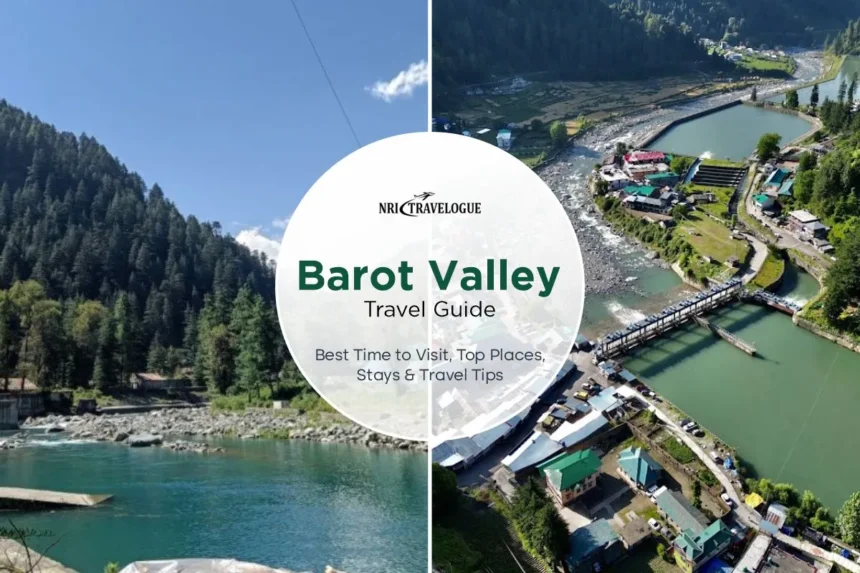
Introduction: The Valley That Slows Time
There are places in India that feel like they exist outside the ordinary rush of life. Barot Valley in Himachal Pradesh is exactly that kind of place. Tucked deep inside the Uhl River gorge at an altitude of around 1,800 metres, this compact, breathtaking valley sits in the Mandi district and remains, even today, refreshingly uncrowded compared to the more commercialised hill stations across the state.
If you have ever grown tired of traffic-choked mountain roads, overpriced hotels with indifferent service, or tourist spots that have lost all sense of authenticity, Barot Valley will feel like a long exhale. The pine-covered slopes, the rushing sound of the Uhl River, the clean mountain air, and the unhurried pace of village life here combine to create something genuinely restorative.
At NRI Travelogue, we have spent years helping Indian travellers and NRIs find meaningful travel experiences across the country and around the world. Barot Valley sits firmly on our radar as one of Himachal Pradesh’s most rewarding destinations for families, couples, solo travellers, and group trips alike. This Barot Valley travel guide gives you everything you need to plan your visit with confidence.
Overview of Barot Valley: What Makes It Special
Barot Valley sits in the Jogindernagar subdivision of Mandi district, about 65 kilometres from the district headquarters. The valley sits at the confluence of the Uhl River and a network of smaller streams and is most easily associated with the Shanan Hydroelectric Project, one of India’s oldest operational power projects, built by the British in the 1930s.
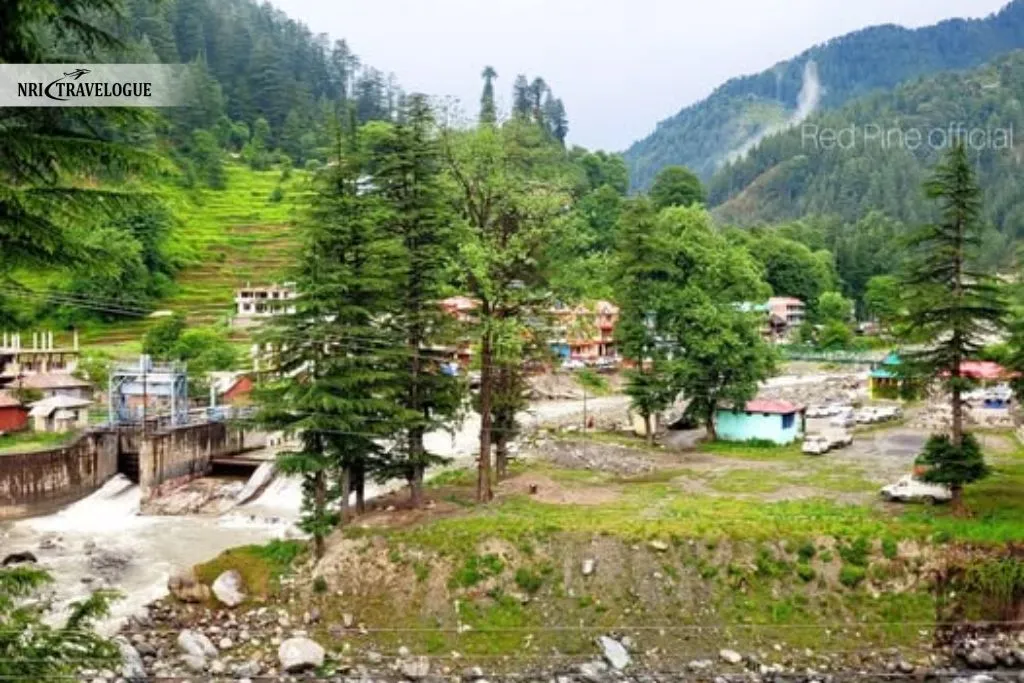
The village of Barot serves as the main settlement and is surrounded by dense deodar cedar and pine forests. Terraced fields, small wooden homes, and a handful of guesthouses and camps line the valley floor. The Uhl River, which originates from the Kamru Nag Lake higher in the mountains, runs through the valley and has become popular among trout fishing enthusiasts.
Administratively, Barot is still a small settlement, which means it has not yet attracted the kind of large-scale commercial development you see in Manali or Shimla. Roads are improving, mobile connectivity has reached the valley, and a small number of well-managed resorts and campsites have started operating, but the essential character of the place remains intact.
Key Facts at a Glance: Altitude approx. 1,800 m | Distance from Mandi: 65 km | Distance from Chandigarh: approx. 200 km | Nearest railway station: Jogindernagar (approx. 40 km) | Language: Hindi, Pahari | Best visited: April to June and September to November
Why Visit Barot Valley: Reasons That Go Beyond the Usual
Most travel guides tell you to go somewhere because it is beautiful. Barot Valley is beautiful, but that is not the whole story. Here is what actually sets it apart.
Genuine Quiet
Unlike Kasol, Manali, or Dharamsala, Barot has not yet become a party destination. The evenings here are genuinely quiet. You will hear the river, the wind through the pines, and the occasional sound of a village dog. If you are travelling with family or if you simply need to reset, that quiet is worth more than any five-star amenity.
Trout Fishing on the Uhl River
The Uhl River holds good populations of brown and rainbow trout, and the Himachal Pradesh fisheries department issues fishing permits that allow you to try your hand at one of the most relaxing activities possible in a mountain setting. Even if you have never fished before, the experience of sitting by a clear Himalayan river with a line in the water is deeply calming.
Trekking Without the Crowds
The trails around Barot connect to the Nargu Wildlife Sanctuary, Lohardi, Lambadug meadows, and eventually to Kullu via Jalori Pass. These are not yet the heavily trafficked routes of the Hampta Pass or Kheerganga circuits, which means you have a real chance of trekking in relative solitude. That is increasingly rare in Himachal Pradesh.
A Working Village Economy
Barot is not a tourism-only settlement. Farming, fruit cultivation, and the hydroelectric infrastructure all form part of daily life here. Walking through the village, you will encounter apple and pear orchards, men and women working their fields, and a functioning local economy that gives the place an authenticity that purely tourist-oriented settlements cannot match.
Photography Opportunities
The combination of river, forest, meadow, and mountain backdrop makes Barot Valley an outstanding location for photography. Early mornings bring mist that drifts through the valley, golden hour light falls perfectly on the terraced fields, and the clear skies at night make stargazing and astrophotography genuinely worthwhile.
Best Time to Visit Barot Valley
When you visit Barot Valley matters as much as where you go once you are there. The weather patterns across four distinct seasons each offer a different experience.
Season | Months | Weather | Best For |
Summer | Apr – Jun | 15-28°C, Pleasant | Trekking, Camping |
Monsoon | Jul – Sep | Heavy Rainfall | Budget Travellers |
Autumn | Oct – Nov | 10-22°C, Clear | Photography, Couples |
| Winter | Dec – Mar | -5 to 10°C, Snow | Snow Lovers |
Summer: April to June
This is the most consistently comfortable time to visit. Temperatures range from about 15 to 28 degrees Celsius, making outdoor activities highly enjoyable. Trekking, camping, fishing, and exploring the surrounding villages are all excellent choices during these months. The valley is green and lush from the previous year’s snowmelt, and the Uhl River runs strong and clear.
Monsoon: July to September
The monsoon brings heavy rainfall to Barot, and road conditions can become genuinely challenging. Landslides occasionally disrupt access routes. That said, the valley turns an extraordinary shade of green during these months, and if you are a nature photographer willing to accept some inconvenience, the visual rewards can be significant. Trout fishing permits are generally suspended during peak monsoon, and trekking becomes riskier due to slippery trails.
Autumn: October to November
October and November are possibly the most visually striking months to visit Barot Valley. The foliage transitions from deep green to gold and amber, temperatures drop to a comfortable 10 to 22 degrees Celsius, and the sky is almost always clear. This is an excellent time for photography, leisurely walks along the river, and quiet exploration. Fewer visitors mean better availability at guesthouses and camps.
Winter: December to March
Barot receives significant snowfall between December and February. The valley transforms into a white world, and while road access can be uncertain, visitors who make it through are rewarded with extraordinary snow-covered scenery. Winter camping and snow walks are available through some operators. March marks the beginning of the thaw and is a transition month worth considering if you want light snow without the full winter commitment.
Travel Tip from NRI Travelogue: If you are planning a family trip to Barot Valley, April to June and October to November are the most reliable windows. Adventure-focused solo travellers might enjoy a winter visit if road conditions permit. Always check current road and weather conditions before finalising your travel dates. |
Top Tourist Attractions in Barot Valley
The valley itself is the attraction, in many ways. But there are specific spots that reward a dedicated visit.
The Uhl River and Shanan Reservoir
The Uhl River is the heartbeat of Barot Valley. You can follow its banks for long walks, try your hand at trout fishing with a permit from the local fisheries department, or simply sit by the water and watch it move.
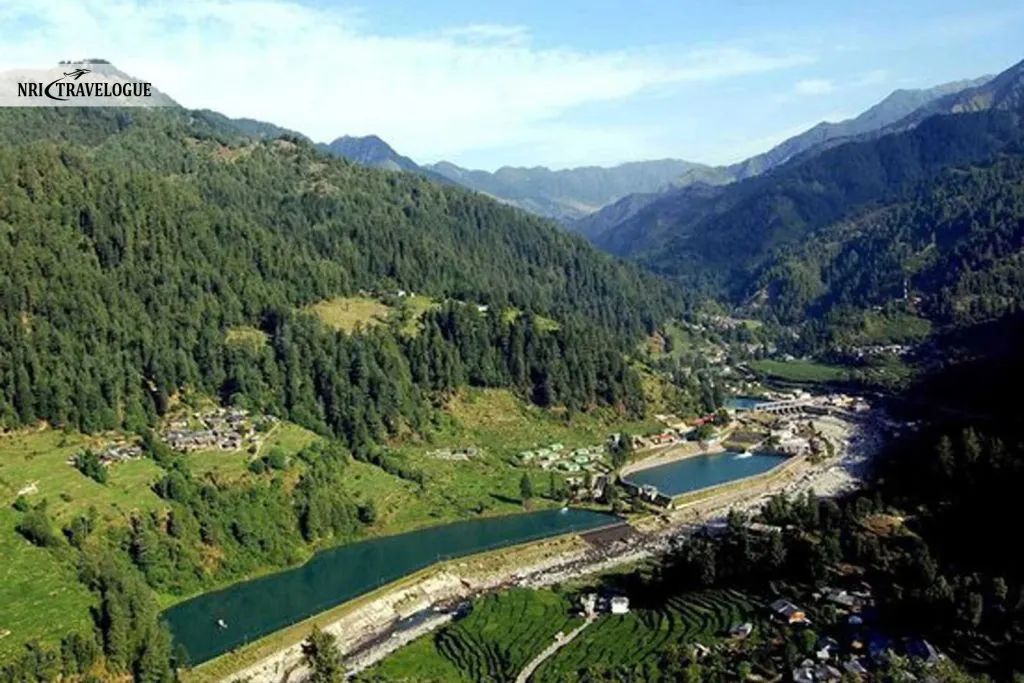
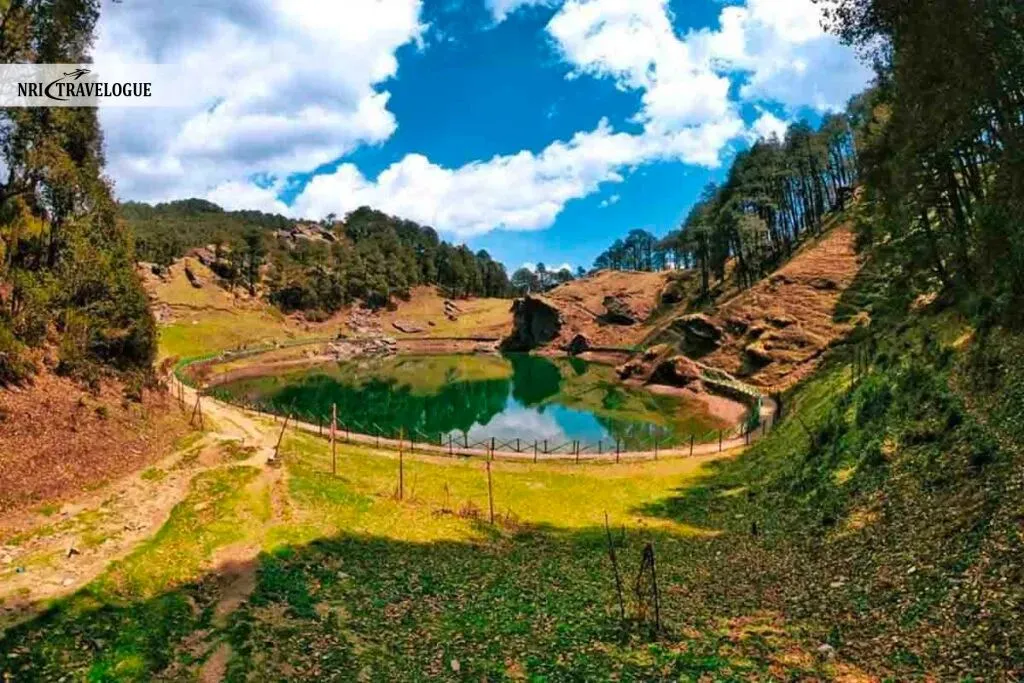
The Shanan Reservoir, created as part of the British-era hydroelectric project, provides a striking visual focal point in the lower valley and is worth a visit for its historical engineering and the reflective quality of the water on still mornings.
Nargu Wildlife Sanctuary
Spread across roughly 278 square kilometres of forest above and around Barot, the Nargu Wildlife Sanctuary is home to a wide range of Himalayan fauna including leopards, Himalayan black bears, barking deer, and numerous bird species.
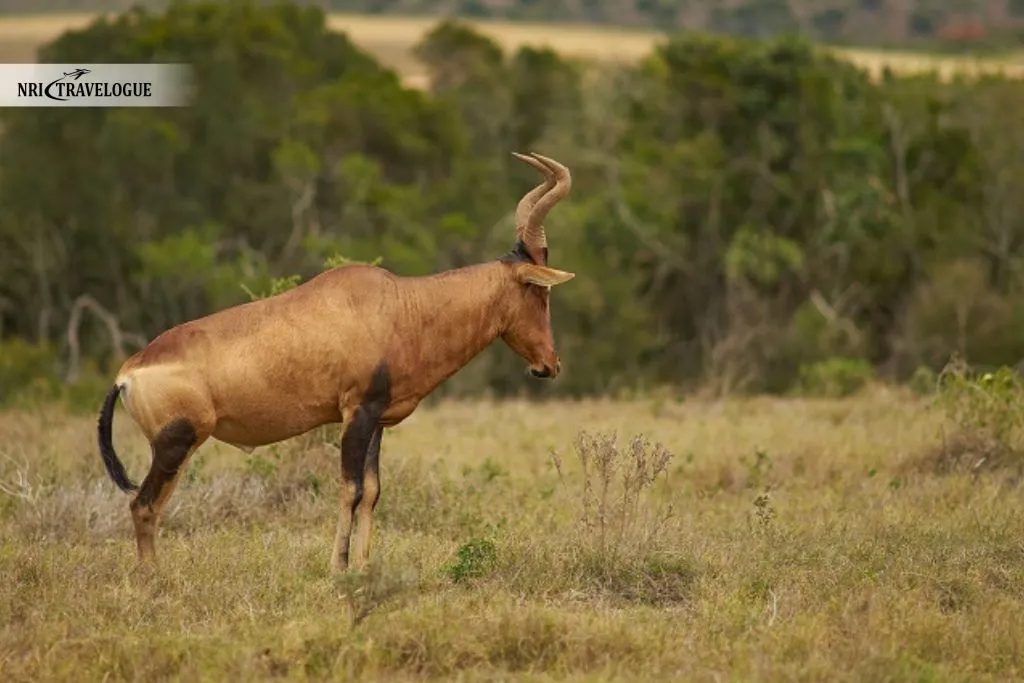
The sanctuary is accessible from Barot on foot or by jeep, and birdwatchers in particular will find it rewarding. The forest interior is dense and atmospheric, and the views from higher elevations inside the sanctuary extend across a vast sweep of mountain terrain.
Barot Village and Surrounding Hamlets
Walking through Barot village itself is an experience worth taking slowly. The wooden houses, the small temple on the hill above the village, the school where children play in the afternoon, and the handful of local shops selling basic provisions all give you a vivid sense of Pahari mountain life.
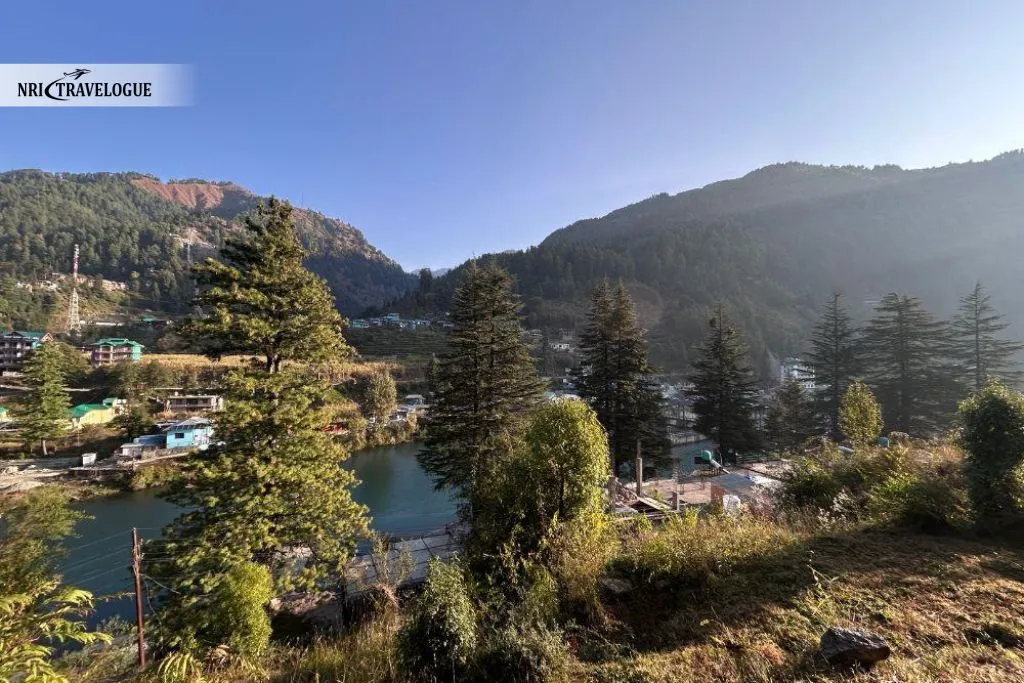
Nearby hamlets like Lohardi and Jhatingri are short walks or drives away and offer similarly authentic village settings without any tourist infrastructure.
Lambadug Meadows
Located a moderate trek above Barot, the Lambadug meadows offer sweeping open grassland surrounded by pine and deodar forest. During summer, these meadows are used as grazing pastures by local shepherds, and the sight of flocks moving across the high grass with mountain ridges in the background is genuinely memorable.
The trek to Lambadug is manageable for reasonably fit adults and takes roughly four to five hours round-trip from Barot.
Kamru Nag Lake
Further into the mountains above Barot lies Kamru Nag, a sacred glacial lake deeply significant to the local community. The lake is associated with the deity Kamrunag and hosts an annual fair that draws pilgrims from across the region.
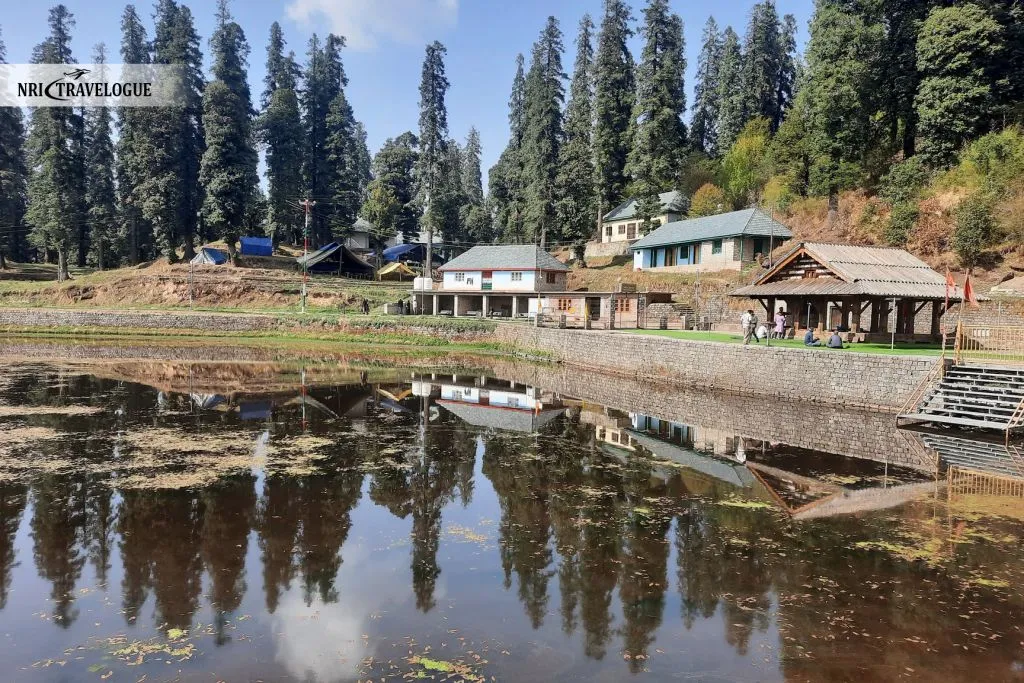
The trek to the lake is considered moderately challenging and takes most trekkers about six to seven hours from the nearest road head. The high-altitude setting and the spiritual atmosphere at the lake make this one of the most memorable day trips available from Barot.
Rajgarh and Jalori Pass
For travellers with extra time and a working vehicle, the road from Barot can be extended toward Bagsaid and eventually toward the Jalori Pass circuit, connecting to the Kullu Valley.
Jalori Pass sits at approximately 3,120 metres and offers panoramic views of the Dhauladhar range. This extension adds a full extra day to your itinerary but significantly deepens the experience of the region.
Best Things to Do in Barot Valley
Beyond visiting specific sites, Barot Valley rewards a certain kind of engaged, activity-oriented traveller. Here are the activities that genuinely make the most of what this destination offers.
- Trout Fishing: Obtain a permit from the Himachal Pradesh Fisheries Department office in Barot (seasonal availability applies) and spend time fishing in the Uhl River. Even catching nothing leaves you with the experience of sitting by one of Himachal’s most beautiful rivers.
- Camping: Several operators run riverside and forest camping setups near Barot. Overnight camping under a clear mountain sky, with the sound of the river nearby, is an experience families and couples consistently rate among their most memorable Himachal moments.
- Trekking to Lambadug Meadows: A manageable day trek that rewards you with open grassland views and forest trails without requiring any prior trekking experience.
- Trekking to Kamru Nag Lake: A more demanding high-altitude trek with significant spiritual and scenic rewards at the destination.
- Nature Walks in Nargu Wildlife Sanctuary: Guided walks through the forest for birdwatchers and wildlife enthusiasts. Early morning walks offer the best chance of spotting birds and, with luck, larger animals.
- Photography and Stargazing: The combination of mountain terrain, river light, and minimal light pollution makes Barot an outstanding location for both landscape photography and nighttime astrophotography.
- Village Walks and Cultural Interaction: Spending time walking through Barot village and nearby hamlets, speaking with local families, and observing daily life in a traditional Pahari community is low-key but deeply rewarding.
- River Side Picnics: Pack a lunch and find a flat rock by the Uhl River. This simple activity, done right, is one of the most genuinely enjoyable things you can do in the valley.
Local Food and Cultural Experiences in Barot Valley
What to Eat in Barot
Barot is a small village, and the dining options reflect that. Most visitors eat at their guesthouses or campsites, which typically serve simple, hearty Himachali and North Indian food. Expect dishes like rajma chawal, dal makhani, aloo matter, parathas with local ghee, and seasonal vegetable curries. Some guesthouses also prepare fresh trout caught from the Uhl River, which is a local specialty worth trying if it is available.
Do not come to Barot expecting an extensive restaurant scene. The pleasure here is the freshness and simplicity of the food, often cooked over wood fires and served in modest settings that somehow make everything taste better than it has any right to.
Indian travellers and NRIs familiar with North Indian home cooking will feel completely at ease with the food in Barot. Vegetarian options are readily available, and most guesthouses are happy to accommodate dietary preferences if you communicate them in advance.
Cultural Life and Local Traditions
The communities around Barot follow the Pahari cultural traditions common across the lower Himalayan belt of Himachal Pradesh. The Kamrunag deity is central to local religious life, and the annual fair at Kamru Nag Lake draws pilgrims and participants from across the region. If your visit coincides with this event, attending the fair offers a rare and genuinely immersive window into mountain cultural life.
The local dialect, Mandi Pahari, is distinct from standard Hindi but most residents are comfortable communicating in Hindi. Basic courtesy and a genuine interest in the community go a long way. People in Barot are generally warm and hospitable, and many families welcome respectful visitors who show interest in their way of life.
Family Travel Tips for Barot Valley
Barot Valley is well suited for family travel, provided you plan thoughtfully. Here is what families need to know before making the trip.
Getting There with Children
The road to Barot involves a long stretch of winding mountain road, particularly from Jogindernagar. Children who are prone to motion sickness should be given appropriate medication before the journey. The last stretch of road into the valley is narrow in places, so hiring a local driver familiar with the route is strongly recommended over self-driving, especially on your first visit.
Accommodation for Families
Several guesthouses and resorts in and around Barot offer family rooms with attached bathrooms. Riverside camps with proper toilet facilities are available and work well for families with older children. If you are travelling with very young children or elderly family members, opt for an established guesthouse rather than a tent camp, and confirm the facilities before booking.
Activities for Children
Children typically love the fishing experience even when they do not catch anything. River walks, picnics by the Uhl, and simple village exploration are all child-friendly activities. For older teenagers, the trek to Lambadug Meadows is manageable and genuinely exciting. Nargu Wildlife Sanctuary walks are suitable for children who are comfortable with uneven forest paths.
Medical and Safety Considerations
Barot is at moderate altitude and does not typically cause altitude sickness issues, but the mountain environment means you should carry a basic first aid kit, sun protection, and any personal medications. The nearest proper medical facility is in Mandi, so for families with members who have significant health conditions, planning for emergencies is advisable.
NRI Travelogue Tip for Families: Book your accommodation in advance, particularly for peak season travel between April and June. Family-oriented stays fill up faster than individual bookings, and having confirmed accommodation prevents the stress of arriving in a small valley without a reserved room. |
Budget vs Luxury Travel in Barot Valley
Budget Travel Options
Budget travellers will find Barot Valley very manageable. Guesthouses in the village charge between Rs. 600 and Rs. 1,500 per night for basic but clean rooms with attached or shared bathrooms. Meals at guesthouses are typically priced between Rs. 100 and Rs. 250 per dish. Tent camps with meals included can be found in the Rs. 1,500 to Rs. 2,500 per person per night range, which represents excellent value given the riverside or forest setting.
For truly budget-conscious travellers, reaching Barot by public bus from Jogindernagar or Mandi reduces transport costs significantly compared to hiring a private cab. The journey takes longer and requires patience with the mountain roads, but it is entirely feasible and actually gives you a more local experience of how residents travel in and out of the valley.
Mid-Range and Comfortable Options
The mid-range category in Barot is growing. Several purpose-built resorts have opened in recent years offering private rooms with proper bathrooms, reliable hot water, and in-house dining. Expect to pay between Rs. 2,500 and Rs. 5,000 per night in this category. These properties offer a good balance between comfort and the authentic mountain environment that makes Barot special.
Luxury Travel in Barot Valley
Barot does not yet have five-star hotel infrastructure in the conventional sense. However, luxury travel in Barot means premium camping experiences, which have evolved considerably. Several upscale glamping operations offer large canvas tents with proper beds, attached bathrooms, room heating, and curated dining set directly alongside the Uhl River or in the forest. For NRIs and international travellers accustomed to comfort, these premium camp setups deliver an immersive mountain experience without sacrificing the basic standards that make travel genuinely enjoyable.
NRI Travelogue works with a curated selection of stay options across all three categories. Contact us to discuss the best fit for your travel style, group size, and budget, and we will match you with options that genuinely suit your requirements.
Suggested Travel Itinerary for Barot Valley
This itinerary assumes you are travelling from Chandigarh or Delhi and have four days available. It can be compressed into three days or extended to five or six with the addition of the Kamru Nag trek or the Jalori Pass extension.
Day 1: Arrival and River Orientation
Depart from Chandigarh in the morning. Drive via Mandi and Jogindernagar to Barot, arriving in the late afternoon. The drive takes approximately six to seven hours including a lunch stop in Mandi. Check in to your guesthouse or camp, take a short walk along the Uhl River before sunset, and have an early dinner. Use the evening to settle in and sleep well.
Day 2: Village Exploration and Fishing
Start with a slow morning. Walk through Barot village after breakfast, stopping at the local tea stall and speaking with residents if the opportunity arises. Obtain a fishing permit from the fisheries office and spend two to three hours by the river in the afternoon. In the evening, a short walk up the hill above the village rewards you with excellent views across the valley and the forest. Dinner at your accommodation.
Day 3: Trek to Lambadug Meadows
Set out early after breakfast for the trek to Lambadug Meadows. The trail begins at the edge of the village and moves through pine forest before opening into the meadow area. Allow four to five hours for the round trip at a comfortable pace. Carry water, snacks, and sun protection. Return to Barot by mid-afternoon, rest, and spend the evening by the river.
Day 4: Nargu Wildlife Sanctuary Walk and Departure
Spend the morning on a guided walk inside the Nargu Wildlife Sanctuary, ideally starting at dawn for the best chance of bird and wildlife sightings. Return to your accommodation for a late breakfast, pack up, and begin your return journey to Chandigarh or Mandi. The drive back gives you different light on the same mountain road, and many travellers find the return journey equally scenic.
Want a Customised Itinerary? At NRI Travelogue, we build personalised Barot Valley travel itineraries based on your travel dates, group size, fitness level, and specific interests. Reach out to us at www.nritravelogue.com and our travel specialists will put together a plan that fits you perfectly. |
Essential Travel Tips for Barot Valley
Getting to Barot Valley
By Air: The nearest airport is Bhuntar Airport (Kullu-Manali Airport), approximately 100 kilometres from Barot. Chandigarh Airport, about 220 kilometres away, offers more frequent flight options from major cities.
By Train: Jogindernagar Railway Station is the nearest broad gauge terminus, approximately 40 kilometres from Barot. From Delhi, trains to Pathankot and then a taxi or bus connection work well. The narrow gauge Kangra Valley Railway to Jogindernagar is a scenic option from Pathankot.
By Road: Barot is connected to Mandi (65 km) and Jogindernagar (40 km) by road. Private taxis are available from both towns. State buses run to Barot from Mandi and Jogindernagar, though the schedule is limited and the journey is long.
Mobile Connectivity
BSNL has the most reliable network coverage in Barot Valley. Private operators like Jio and Airtel have improved their coverage significantly in recent years but can still be unreliable in specific spots in the valley. Download offline maps of the area before you travel, and inform family members of your expected itinerary in case of communication gaps.
What to Pack
- Warm layers: temperatures drop significantly at night even in summer
- Rain gear: always carry a light waterproof jacket and cover for your bag
- Comfortable trekking footwear with proper ankle support
- Sunscreen and sunglasses: UV exposure is high at altitude
- A torch or headlamp: power cuts occur occasionally in remote areas
- Cash: ATMs are not available in Barot itself; carry sufficient cash from Mandi or Jogindernagar
- Personal medications and a basic first aid kit
- Insect repellent for evening hours near the river
Responsible Travel in Barot Valley
One of the reasons Barot Valley retains its character is that it has not yet been damaged by irresponsible tourism. Please carry your waste out of the valley, avoid disturbing wildlife in Nargu Sanctuary, respect local customs and privacy, and support locally owned guesthouses and guides rather than outside operators wherever possible. The valley’s beauty is a shared responsibility.
Why Choose NRI Travelogue for Your Barot Valley Trip
Planning a trip to a relatively remote destination like Barot Valley involves more than booking a hotel and searching for directions. Road conditions change, accommodation quality varies widely, and first-time visitors often find the logistics more complex than expected.
At NRI Travelogue, we have built our reputation on exactly this kind of detailed, experience-based travel knowledge. Our team personally visits and evaluates the destinations we recommend. We have relationships with trusted local operators, guesthouses, and guides in Barot Valley who deliver consistent quality and genuine local knowledge.
For NRI travellers visiting India from abroad, we additionally understand the specific concerns that come with planning Indian travel from overseas, including reliable communication, quality assurance, and the kind of logistical support that makes a trip run smoothly even when you are unfamiliar with local conditions.
- Personally curated accommodation recommendations across budget, mid-range, and premium categories
- Customised itineraries built around your specific dates, group size, and interests
- Reliable local guide and transport connections
- Pre-trip consultation with our travel specialists
- On-ground support during your trip
- Honest, experience-based advice rather than generic travel information
Tour Packages and Travel Assistance for Barot Valley
NRI Travelogue offers a range of travel assistance options for Barot Valley, from simple itinerary consultation to fully managed tour packages that handle all logistics from your point of departure.
What Our Barot Valley Packages Include
- Return road transfers from Chandigarh, Delhi, or Mandi
- Accommodation across your preferred category (budget, mid-range, or premium glamping)
- All meals as per the package specification
- Guided treks and nature walks with experienced local guides
- Fishing permit arrangements through the Fisheries Department
- Nargu Wildlife Sanctuary guided walk
- Full itinerary planning and pre-trip support
Group and Family Packages
Group packages for families, friend groups, and corporate retreats are available with special pricing and customised group logistics. We also offer international tour packages for NRI groups travelling to India who want to combine a Barot Valley experience with broader Himachal itineraries including Dharamsala, Shimla, or Spiti.
How to Book
Visit www.nritravelogue.com to browse our current Barot Valley packages, request a custom itinerary, or speak with one of our travel specialists. We respond to all inquiries within 24 hours and are happy to work with any budget or travel requirement.
| Ready to Plan Your Barot Valley Escape? Contact NRI Travelogue Today at www.nritravelogue.com |
Conclusion: Barot Valley Is Worth Every Winding Mountain Kilometre
Some destinations reward you despite the effort of getting there. Barot Valley rewards you because of it. The winding mountain road that most travellers dread is itself part of the experience, pulling you further from the ordinary and closer to something genuinely different.
Whether you are a family looking for a safe, beautiful, and engaging Himachal experience, a couple wanting real quiet and natural beauty, a solo trekker seeking trails without crowds, or an NRI returning to India and wanting to see a part of the country that still feels whole and unhurried, Barot Valley has something specific and real to offer you.
The Uhl River will still be rushing when you arrive. The pines will still be standing. The trout will still be in the water. The meadows above the treeline will still be there, quiet and green, waiting for anyone willing to make the walk.
At NRI Travelogue, we believe travel is most meaningful when it puts you in direct contact with places that are genuinely themselves. Barot Valley is one of those places. We look forward to helping you get there.
| Explore Barot Valley Tour Packages | Get a Custom Itinerary | www.nritravelogue.com |