

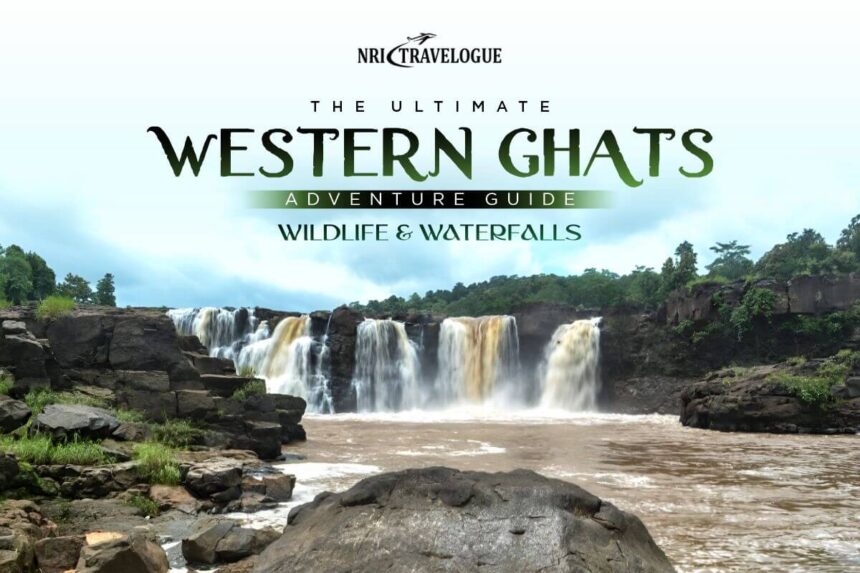
The Western Ghats are one of the most beautiful and biologically rich regions in India. Stretching across 6 states the ancient mountain ranges the treasure of wildlife dense forests and stunning waterfalls. Declared a UNESCO World Heritage site the Western Ghats are a dream destination for you if you’re a nature lover adventure speaker or a photographer. And in 2025 the Western Ghats continue to attract travelers who want something more than just city travel Real nature raw landscapes and peaceful experiences. Whether you want to spot wild animals walk through rainforests and just enjoy fresh mountain air the Western Ghats offer it all.
What Are the Western Ghats?
The Western Ghats, also known as Sahyadri Hills, run parallel to India’s western coast for about 1,600 km.
They pass through:
- Maharashtra
- Goa
- Karnataka
- Kerala
- Tamil Nadu
- Parts of Gujarat
| Category | Details |
| Location | Western India |
| States Covered | MH, Goa, KA, KL, TN, GJ |
| UNESCO Status | World Heritage Site |
| Famous For | Wildlife, waterfalls, forests |
| Best Time to Visit | Oct–Mar |
| Ideal Trip Duration | 5–10 days |
| Best For | Nature, adventure, wildlife |
Wildlife of the Western Ghats
The Western Ghats are home to an incredible variety of animals, many of which are endemic (found nowhere else in the world).
Major Mammals You Can Find
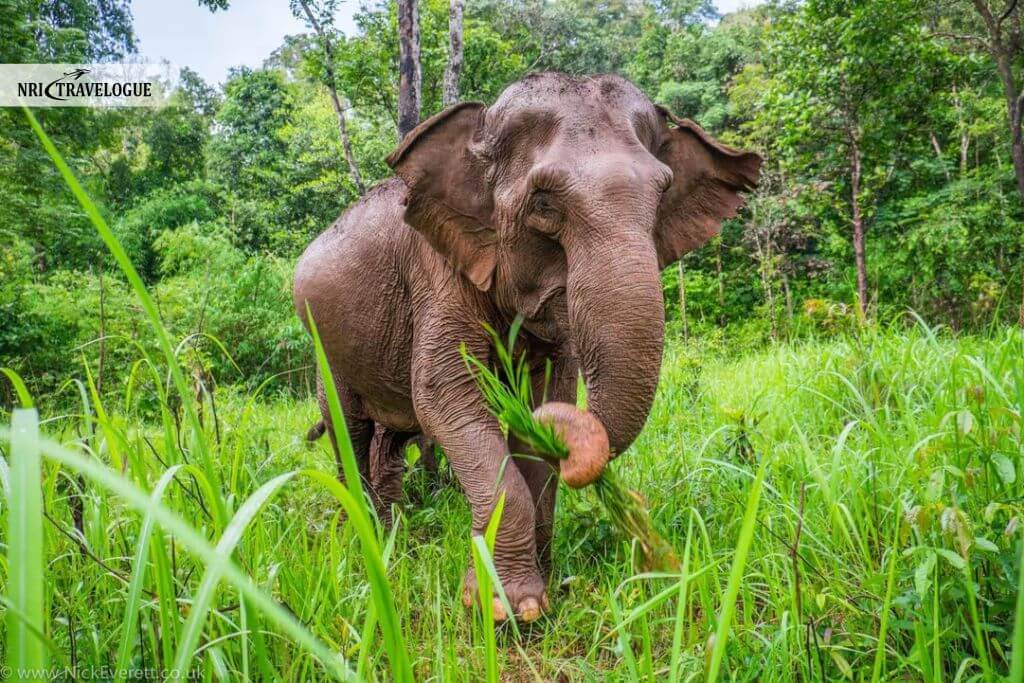
Asian Elephant – Found in Kerala, Karnataka, Tamil Nadu
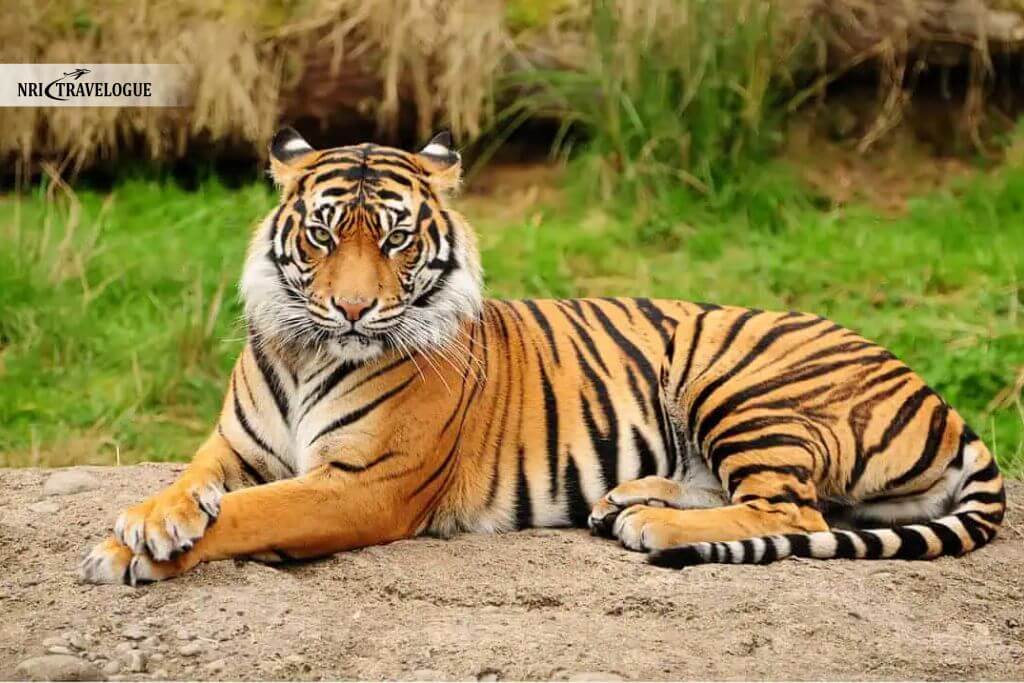
Bengal Tiger – Present in protected reserves
Indian Leopard – Shy but widespread

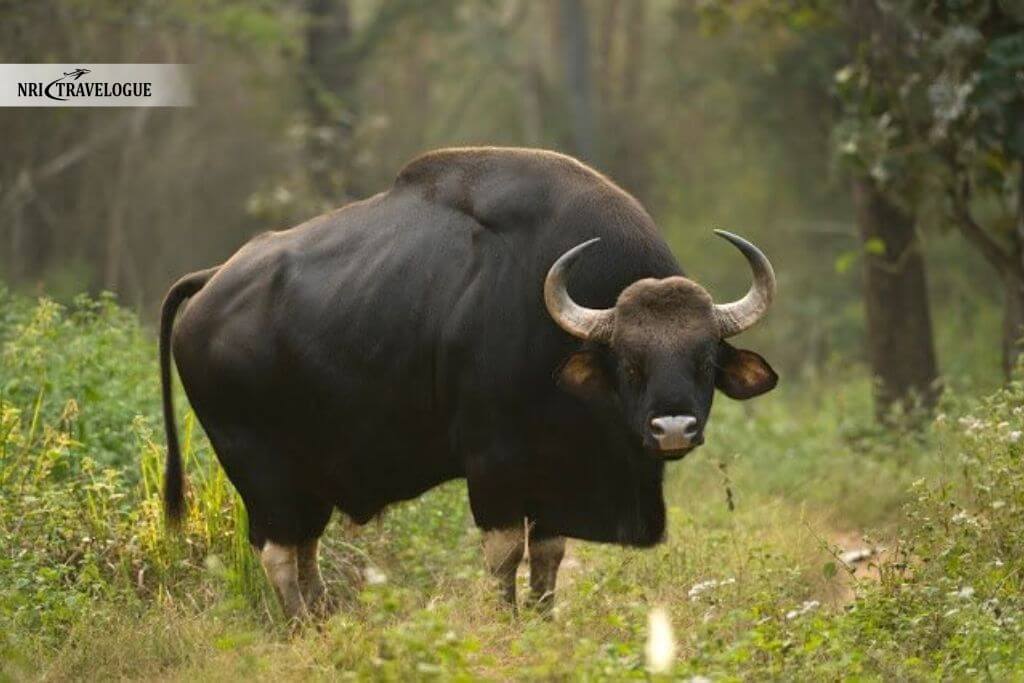
Gaur (Indian Bison) – Largest wild cattle
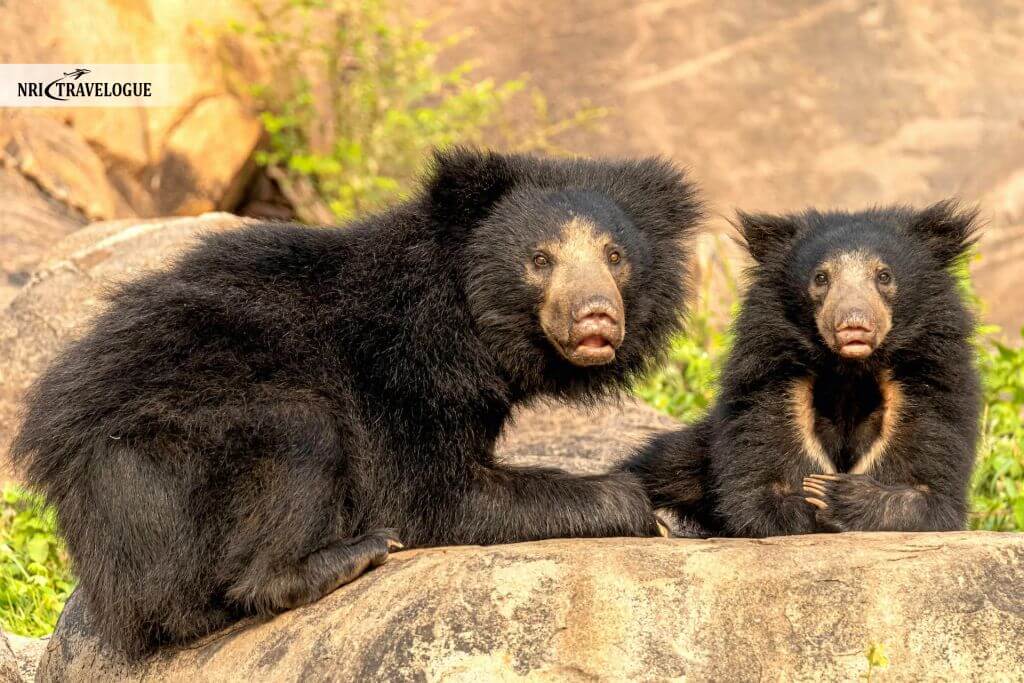
Sloth Bear
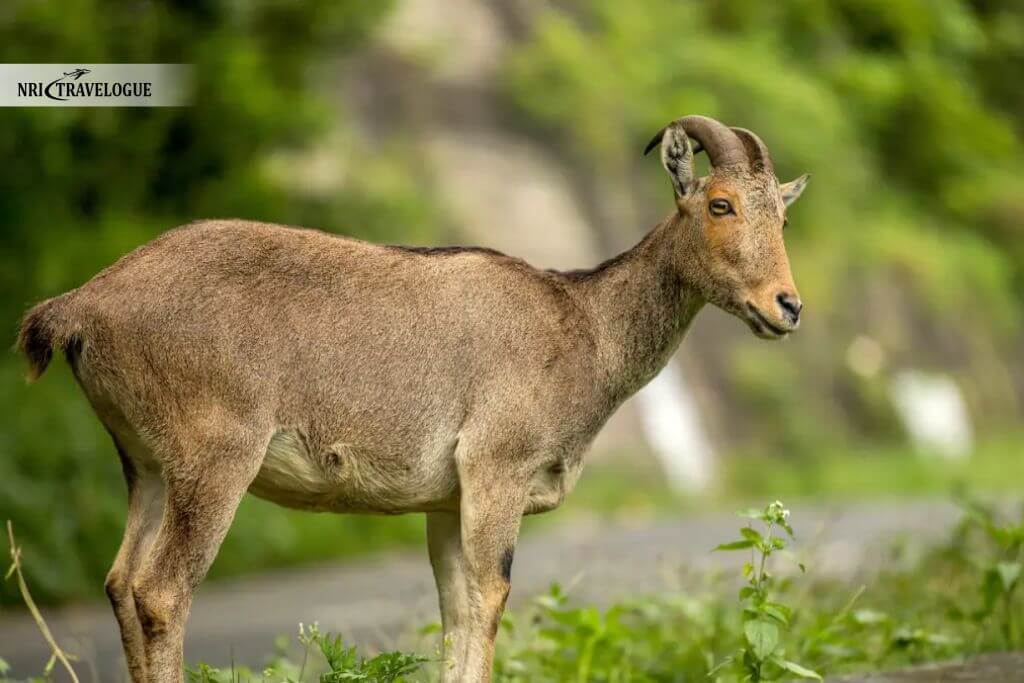
Nilgiri Tahr – Endemic mountain goat
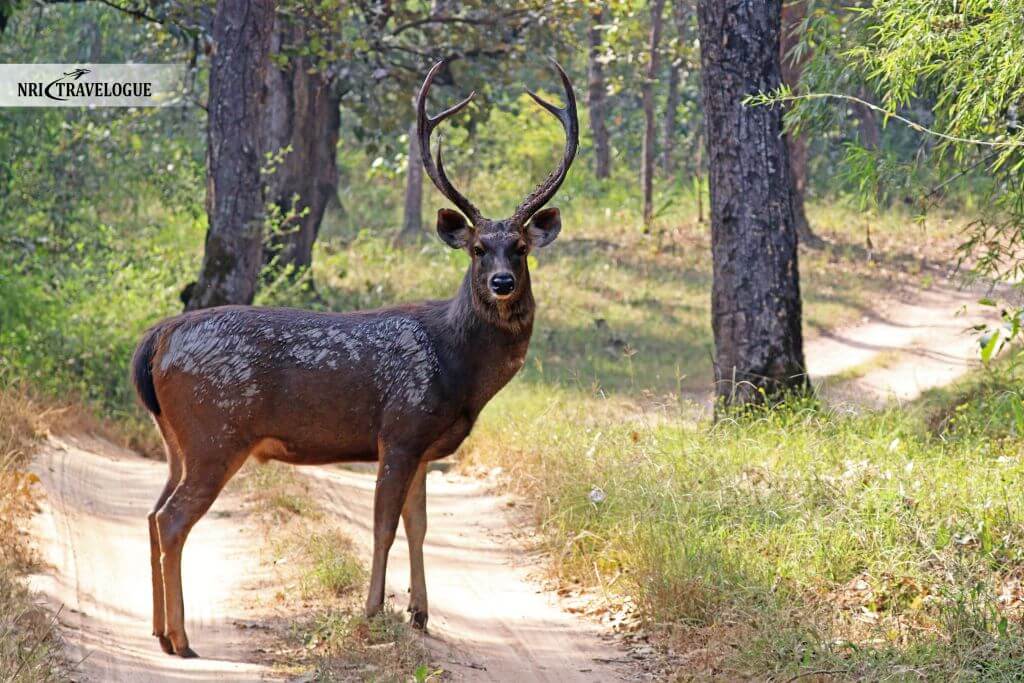
Sambar & Chital Deer
Wild Boar
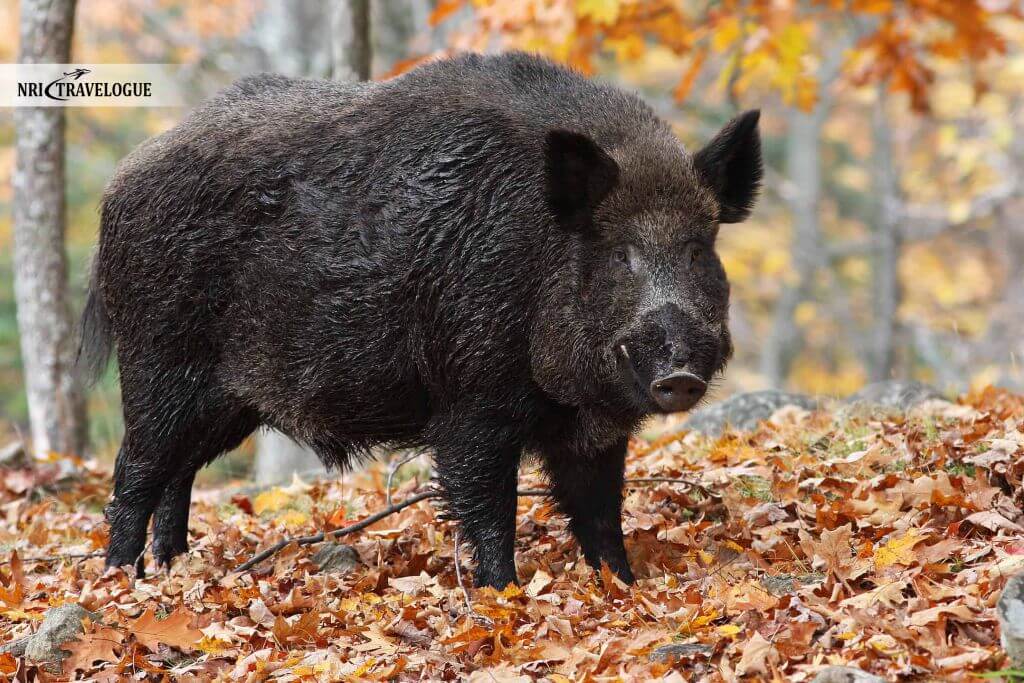
These animals thrive due to thick forests and protected wildlife corridors.
Birdlife: A Paradise for Birdwatchers
The Western Ghats are home to over 500 bird species.
Common and special birds include:
- Malabar Grey Hornbill
- Indian Peafowl
- Nilgiri Flycatcher
- Kingfishers
- Eagles and hawks
- Sunbirds
Early mornings are best for birdwatching.
Unique Amphibians and Reptiles
This region is famous for rare species like:
- Colorful frogs
- Tree frogs
- Pit vipers
- Monitor lizards
Many species appear only during the monsoon season.
Famous Waterfalls of the Western Ghats
The Western Ghats are known for some of India’s most breathtaking waterfalls.
Top Waterfalls to Visit
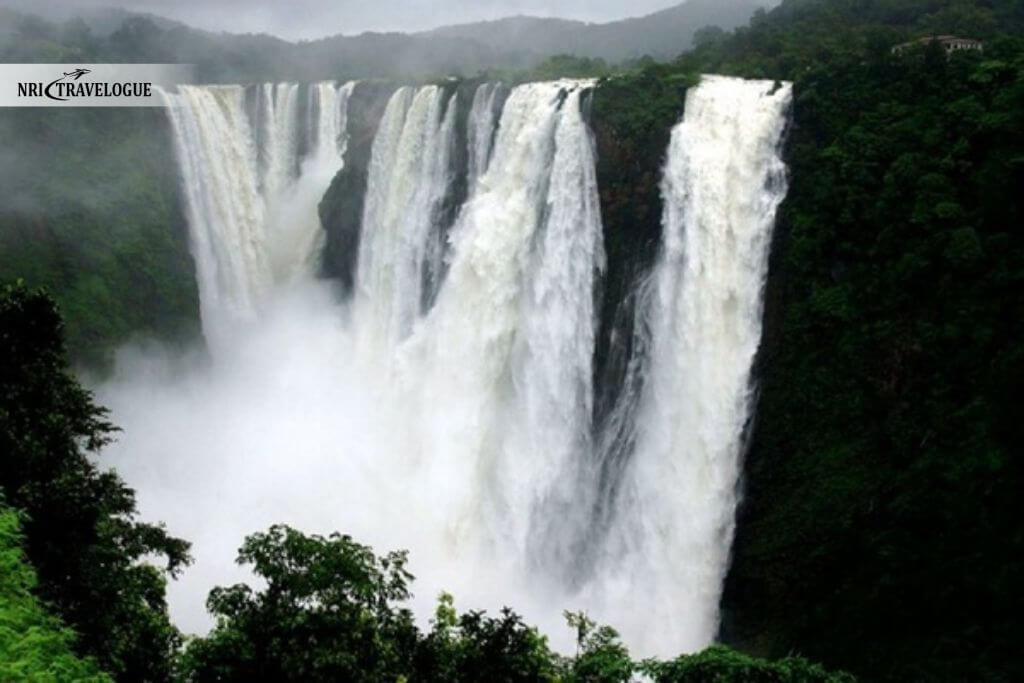
1. Jog Falls (Karnataka)
- One of India’s tallest waterfalls
- Best seen during monsoon
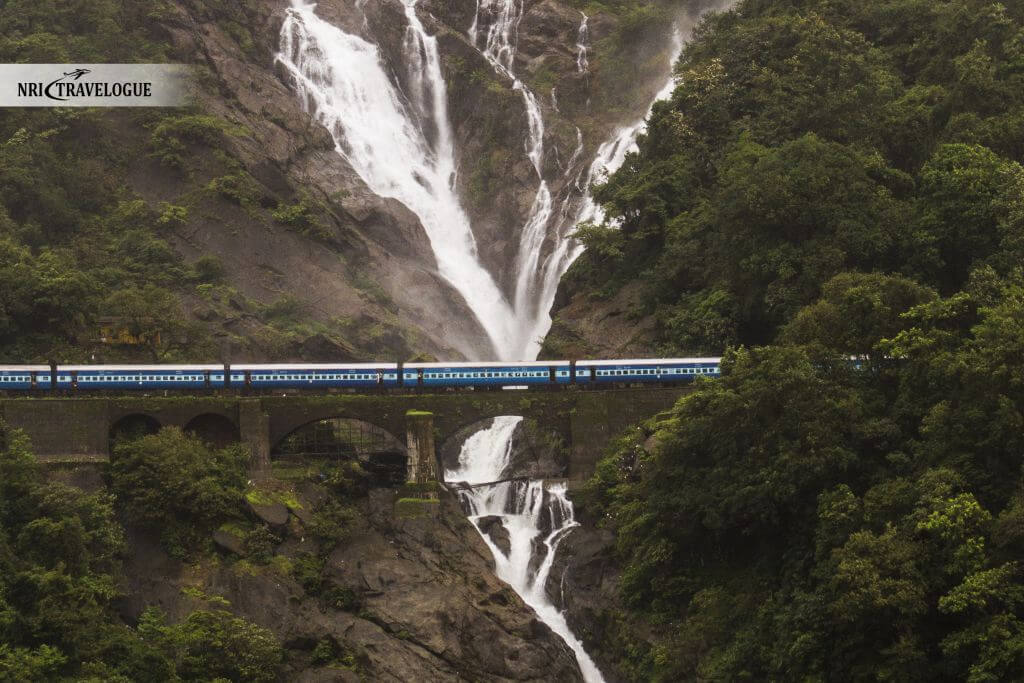
2. Dudhsagar Falls (Goa–Karnataka)
- Milky white waterfall
- Surrounded by forest and railway bridge
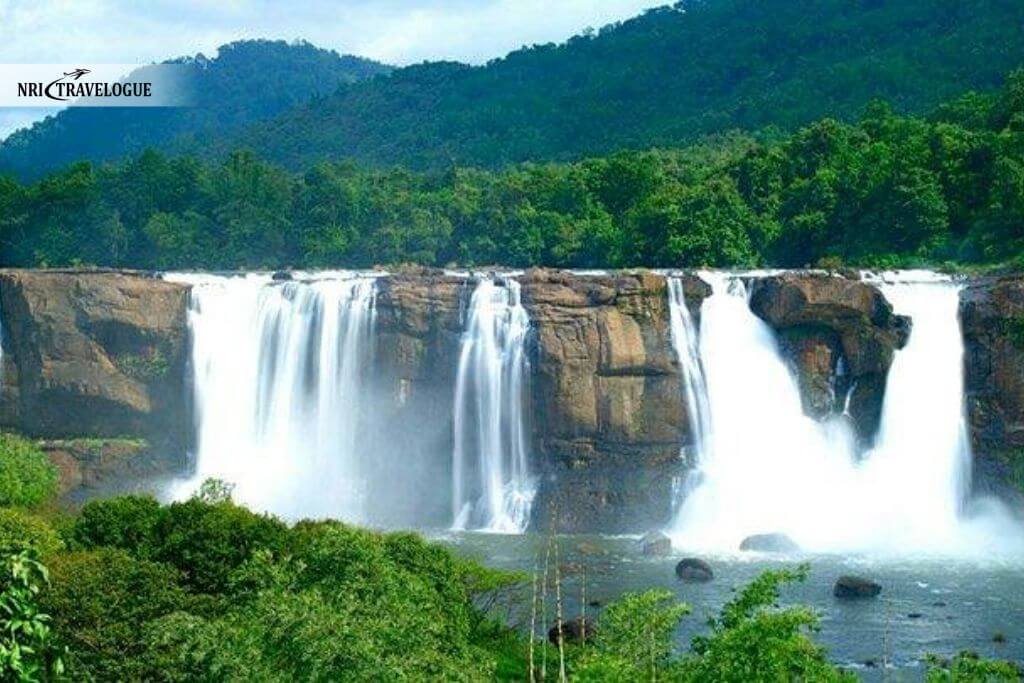
3. Athirappilly Falls (Kerala)
- Often called the “Niagara of India”
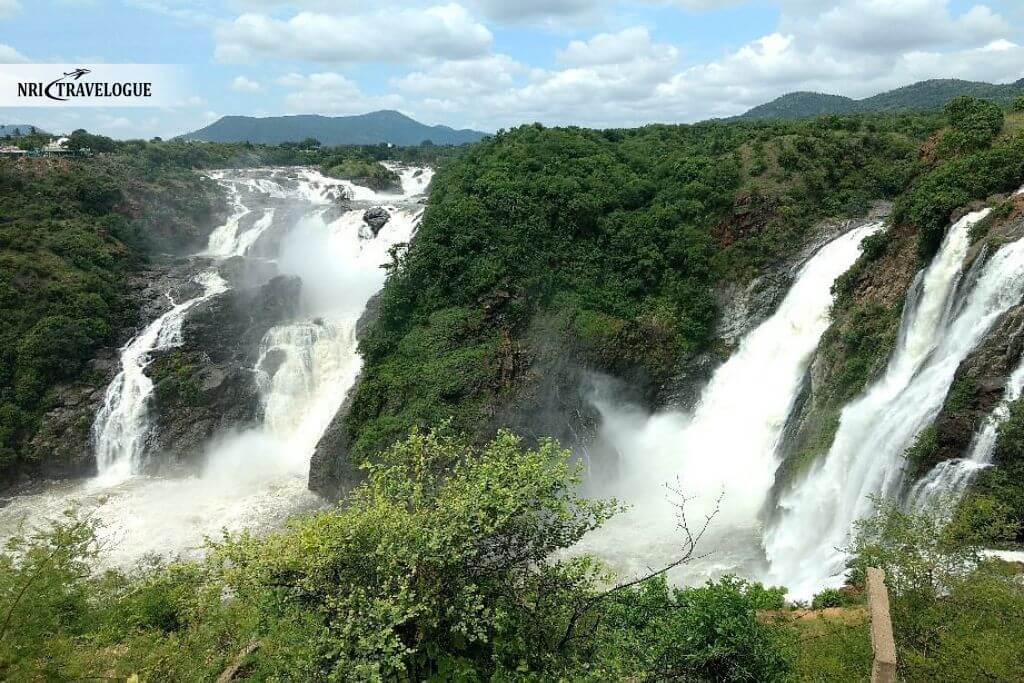
4. Shivanasamudra Falls (Karnataka)
- Powerful and wide waterfall
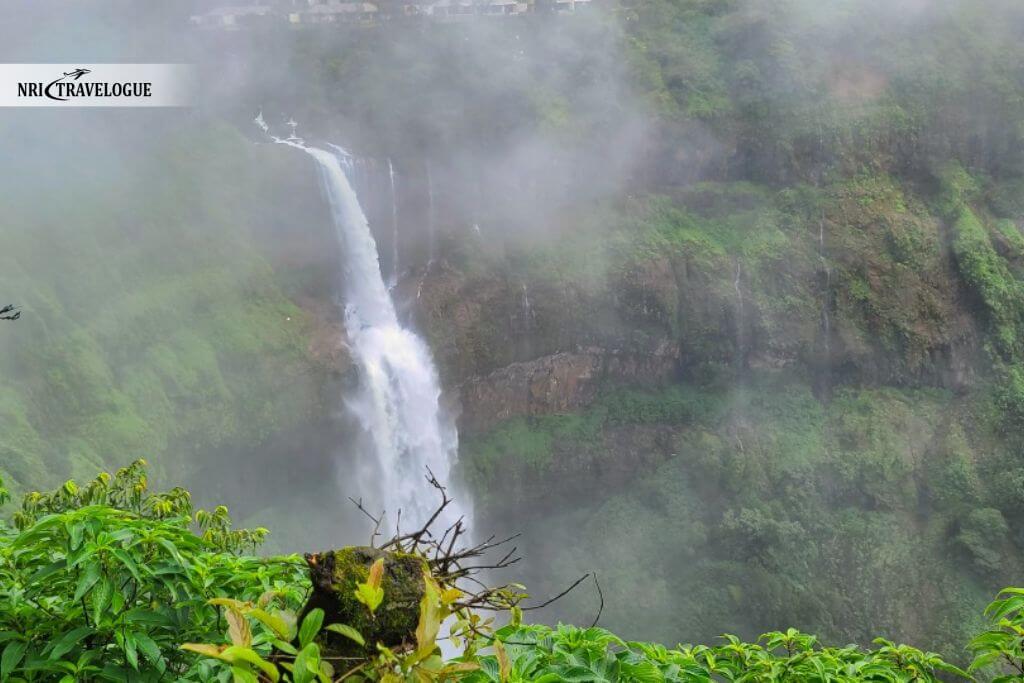
5. Lingmala Falls (Maharashtra)
- Scenic monsoon waterfall near Mahabaleshwar
Best Wildlife Sanctuaries and National Parks
The Western Ghats host many protected areas.
Top Wildlife Destinations
- Periyar Wildlife Sanctuary (Kerala)
- Bandipur National Park (Karnataka)
- Nagarhole National Park (Karnataka)
- Silent Valley National Park (Kerala)
- Bhadra Wildlife Sanctuary (Karnataka)
- Anamalai Tiger Reserve (Tamil Nadu)
These parks offer safaris, guided walks, and nature experiences.
Adventure Activities in the Western Ghats
The region is perfect for soft to moderate adventure.
Popular Activities:
- Trekking
- Forest walks
- Waterfall hikes
- Wildlife safaris
- Camping
- Birdwatching
- Nature photography
The Western Ghats are more about slow adventure than extreme sports.
Best Trekking Experiences
Trekking routes vary from easy to moderate.
Famous Trekking Areas:
- Sahyadri ranges (Maharashtra)
- Coorg and Chikmagalur (Karnataka)
- Munnar and Wayanad (Kerala)
- Nilgiri hills (Tamil Nadu)
Trekking rewards you with:
- Valley views
- Waterfalls
- Forest silence
- Cool climate
Best Time to Visit the Western Ghats
Monsoon (June–September)
- Lush greenery
- Best waterfalls
- Slippery trails
Post-Monsoon & Winter (October–March) – Best Overall
- Pleasant weather
- Clear views
- Safer trekking
Summer (April–May)
- Hot afternoons
- Early morning wildlife sightings
Village and Life Experiences
Beyond wildlife and waterfall the Western Ghats are home to hundreds of small villages where life moves slowly and close to the nature. Spending time in these villages offer a deep understanding of the region. You can experience simple homes surrounded by forests farming practices based on rainfall, and friendly locals were traditional lifestyles. Village style also allows you to experience authentic culture while supporting local communities.
Monsoon Magic
The Western Ghats basically transformed during the monsoon hills, turn bright green rivers swell and waterfalls appear in places that remain dry for the rest of the year. Monsoon really feels special as you can experience fresh earthy smell everywhere, clouds moving through valleys and lush green landscapes make everything wonderful. No doubt travel requires caution, but monsoon offers the most dramatic natural beauty.
Wildlife Corridors and Why They Matter
Western Ghats are not just isolated forests they are connected through wildlife corridors. These corridors allow animals remove solely between forests. The corridors are important because they prevent animal inbreeding and also reduce human animal conflict. They help you find food and water and maintain ecological balance. Many conservation efforts in Western Ghats focus on protecting the natural pathways.
Sacred Groves
Across the Western Ghats that are sacred forest patches protected for centuries because of religious belief. The areas are known as sacred Groves. They are special because it had no trees that are cut wildlife thrives undistributed and rare plants survive here. The Groves show how traditional beliefs helped conserve nature long before modern conservation laws.
Food in the Western Ghats
Local food is simple and fresh.
Common Food Types:
- Rice-based meals
- Coconut-based curries
- Fresh vegetables
- Local spices
- Herbal teas
Sunrise and Sunset Experiences in Western Ghats
Watching the sunrise or sunset in the Western Ghats is a beautiful emotional experience. The changing colors over hills and forests are unforgettable. The best places for these moments include hillview points forest edges and lakesides. Sunrises usually calm and quiet while sunsets often bring dramatic skies.
Why Western Ghats are Ideal for Slow Travel?
The Western Ghats are best enjoyed slowly without rushing from one place to another, there is less environmental impact when you travel slowly and also you can connect with the nature deeply. The travel stress is minimum. Instead of covering many places spending more time in one area makes the experience really rich.
How Travelers Can Support Conservation
Every traveller can contribute to protecting the Western Ghats.
Simple actions include:
- Choosing eco-friendly stays
- Supporting local guides
- Avoiding plastic use
- Respecting wildlife boundaries
- Sharing awareness responsibly
Why the Western Ghats Leave a Lasting Impression?
Unlike the busy tourist destinations, the Western Ghats stay with you widely. It’s not just about entertainment, it’s all about connection, you might often remember the forestry, flowing water sounds and misty mornings. The emotional connection makes you return again and again.