

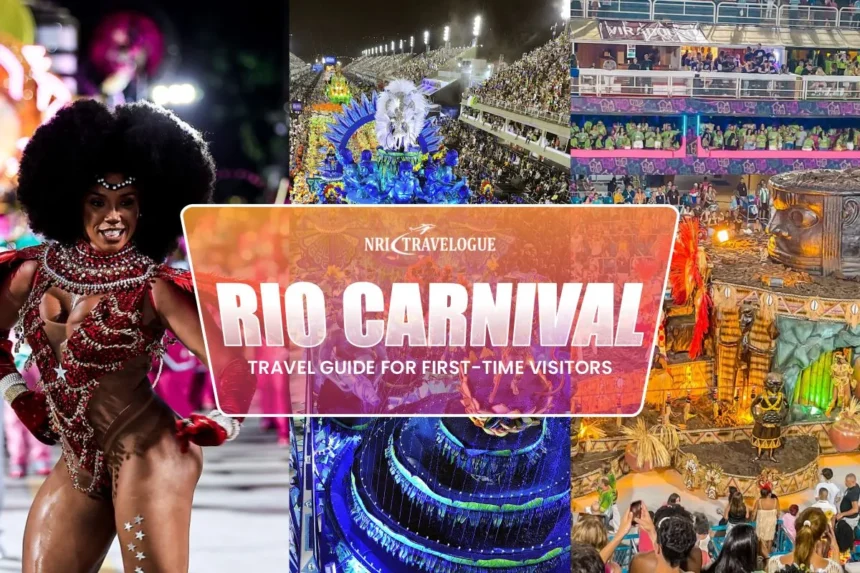
There are festivals you attend and there is Rio carnival, a celebration you feel in your bones. The first time you stand in the middle of Rio de Janeiro during carnival season you understand why people travel across the world just for these few days. The air vibrates with drums glitter floats through the sunlight. You can also see strangers smiling at each other like old friends. If this is your first time planning a trip to the carnival you probably have hundreds of questions. Well just take a deep breath as this guide will walk you through everything step by step.
What Exactly is Rio Carnival?
Rio carnival is the biggest carnival celebration in the world. It takes place every year before lent, usually in February or early March. Officially it lasts for five days from Friday to Tuesday but in reality celebrations begin much earlier.

Both the experiences are unforgettable but they feel completely different. The sambadrome feels like theatre on a massive scale and the blocos feel like the entire city dancing together.
Carnival in Rio has two main experiences:
- The Sambadrome Parade (official competition)
- Street Parties called Blocos (free public events)
Both are incredible. But they feel very different.
A Brief History
Carnival in Brazil dates back over 300 years. Portuguese colonizers brought pre lent festivities to the country. With time African culture and rhythms blended with European traditions. From this cultural fashion samba was born.
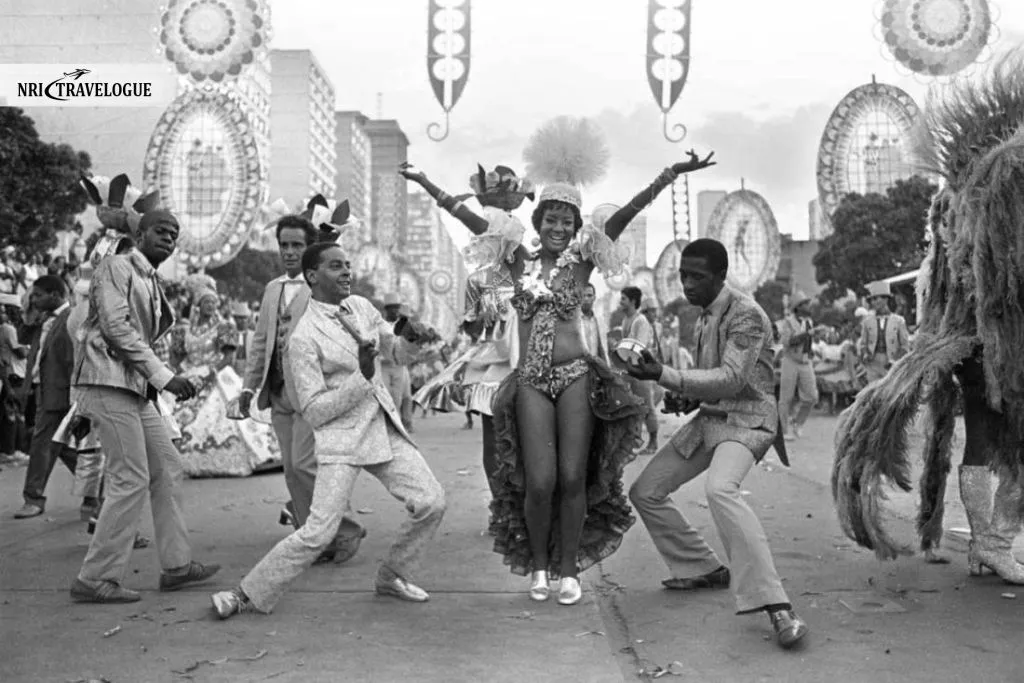
In the early 20th century samba schools formed in Rio’s neighborhoods; there were not just schools and academics since they were actually community groups that gather to celebrate music and identity. Today you can see the schools prepare all year from one competitive performance at carnival. It is not just entertainment, it’s pride and community spirit.
The Sambadrome
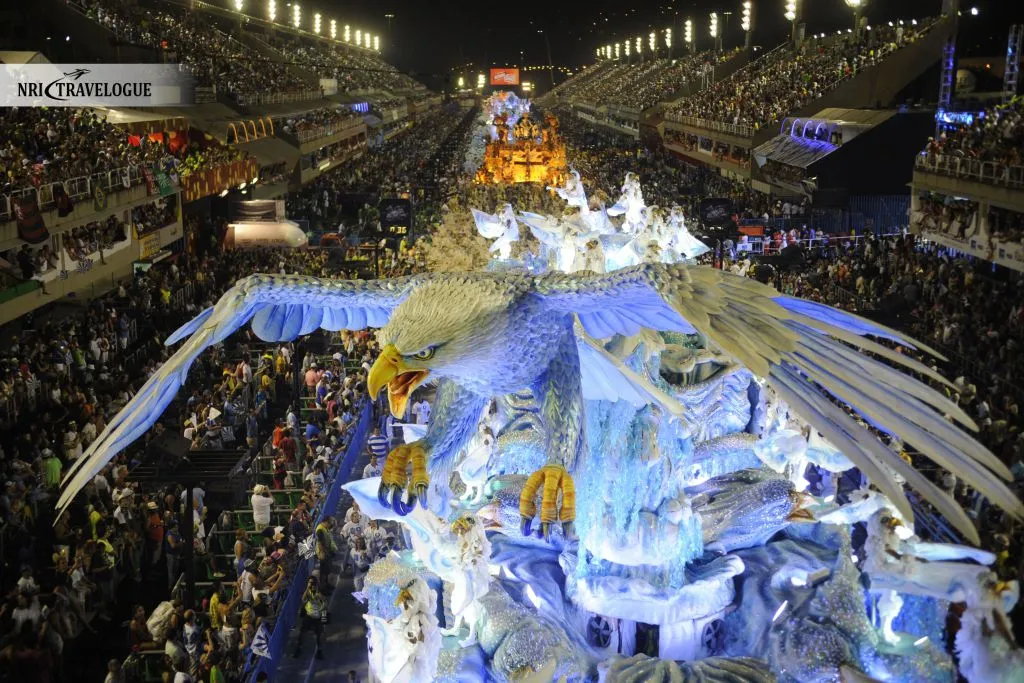
The official parade takes place at Sambadrome Marquês de Sapucaí. The purpose built parade stadium stretches over 700 does. Around 70,000 spectators watch each night as samba schools compete. Each school gets 60 to 90 minutes to perform. They choose a theme and sometimes it’s historical while sometimes it’s political and also mythical and bring it to life with thousands of dancers, live drum sections and massive moving floats. When the drums begin the sound is really powerful. It feels physical. You don’t just hear it, you feel it inside your chest. For first time visitors the sambadrome can feel overwhelming at first but once the first school enters you forget everything except the spectacle in front of you.
The Samba Schools: More Than Just Performers
Some of the most famous samba schools include:
Mangueira

Beija-Flor

Salgueiro
Portela
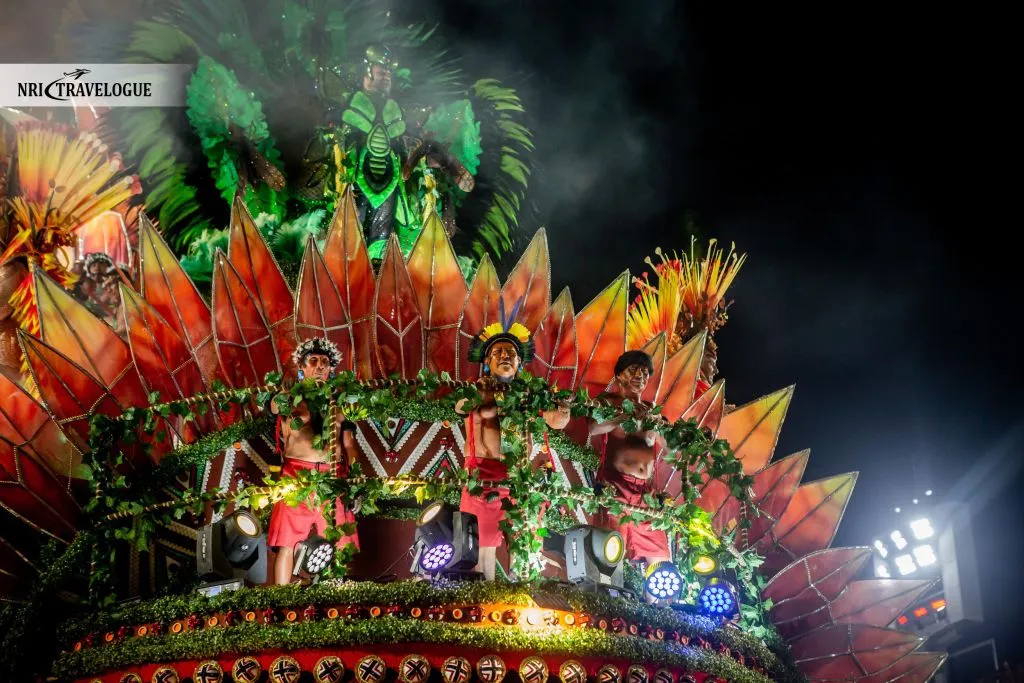
Each school here represents a neighborhood and its people. You can see residents performing for months and designers creating thousands of costumes by hand musicians perfect every beat. Winning carnival is a matter of deep pride when results are announced emotions run high and tears of joy are common. If you have time before carnival week try attending a rehearsal. You can also see the passion behind the performance.
Can Tourists Participate in the Parade?
Yes and it might become your favorite memory. Many schools self parade costumes to visitors. When you purchase 1 you March during the performance. You enter the sambadrome not as spectacular but as a part of the show.
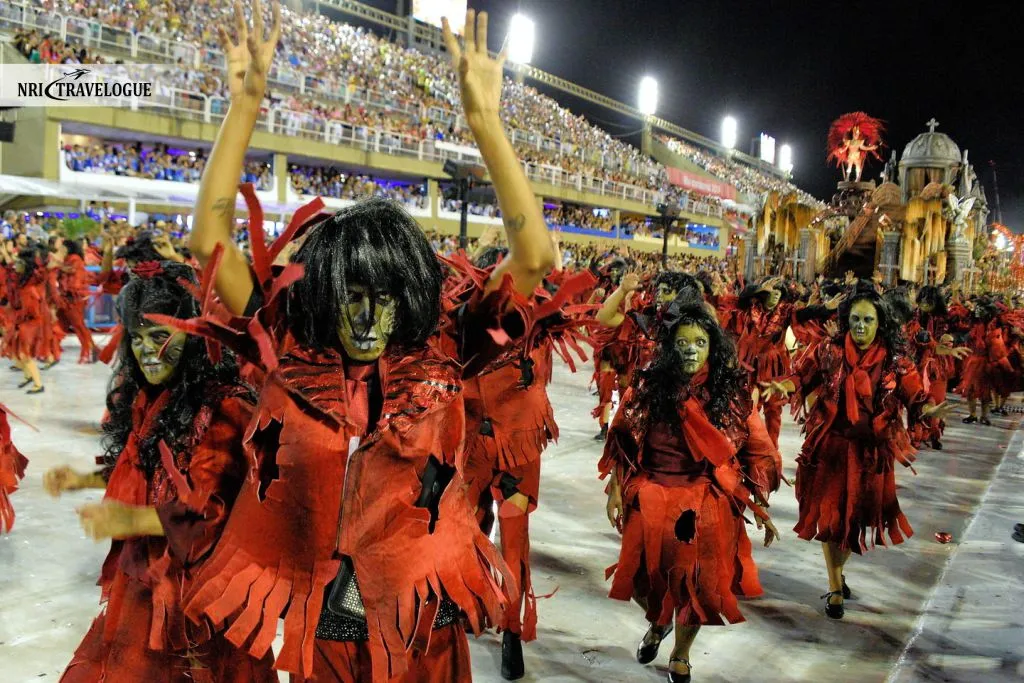
You walk under bright lights and there are 70,000 people during. The drums surround you and for a few magical moments you are not just watching carnival, you are carnival.
St Blocos
While the sambadrome feels joyful and organized the street blocos feels spontaneous and joyful. Blocos are free St. parades happening around neighborhoods like Copacabana and lapa. Music tracks move slowly through the streets while live bands play samba thousands follow behind dancing.
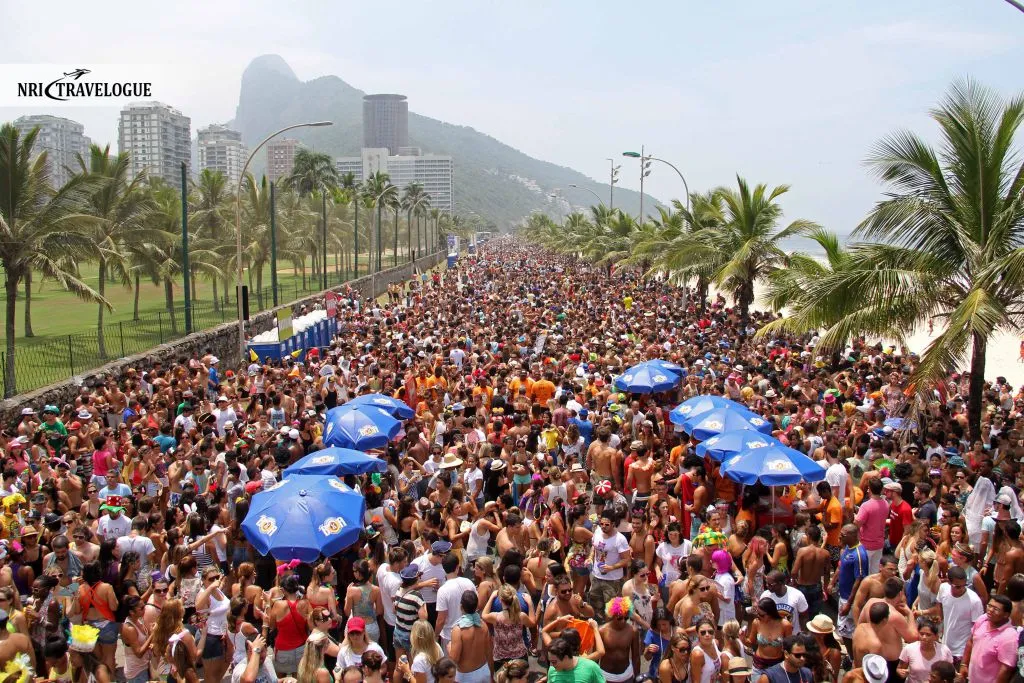
You can see creative and hilarious costumes and also see superheroes glitter covered dancers or entire friend groups dressed as fruits. There is just no ticket, no barrier , just show up and join. For many visitors blocos become the highlight of the trip because they feel authentic and also inclusive.
When is the Best Time to Arrive?
Carnival officially runs from Friday to Tuesday for Ash Wednesday. But events begin weeks earlier. For first time visitors arriving at least three days before the main weekend lets you adjust. You can explore the city and avoid travel stress. If possible stay until the Champions parade when the top samba performs again. The atmosphere is celebratory and also slightly less intense.
Where to Stay in Rio During Carnival?
Choosing the right neighborhood makes a difference. Copacabana offers energy and convenience while Santa Teresa provides charm and artistic character and Lana suits nightlife lovers. Wearing carnival accommodation prices rise greatly so you need to book at least four to six months in advance. For easier transport you can stay near the metro.
A Realistic Budget Breakdown
Carnival is not a cheap holiday but planning helps control the cost. Prices are likely to vary yearly but this gives a realistic overview. Money saving tips include booking flights early and attending free blocos and sharing accommodation.
| Expense Category | Budget Option | Mid-Range | Premium |
| Accommodation | $60–120/night | $150–300/night | $400+ |
| Sambadrome Ticket | $30–80 | $100–250 | $500+ |
| Food | $20–40/day | $50–80/day | $100+ |
| Transport | $10–20/day | $20–40/day | Private transfers |
| Tours & Attractions | $50–150 total | $200–400 | Custom tours |
What to Wear and Pack?
February is basically someone in Brazil so you can expect strong heat and humidity. Light clothing works the best . comfortable shoes are essential. A small crossbody bag is safer than a backpack, you must always carry sunscreen and water hydration is very important. You can see a lot of visitors simply wear colorful accessories or glitter as costumes are optional.
Staying Safe While Enjoying Carnival
Rio has improved safety measures for tourists but awareness is really important. Avoid carrying passports to large crowds and use hotel safes and always keep your phones secure in crowded areas . you must stay in well lit neighborhoods at night and use official taxis or ride apps trust your instincts above all. Most visitors experience no problem but simple precautions go a long way.
Brazilian Food and Drinks
Carnival energy requires good food. Feijoada is Brazil’s national dish and it’s a hearty black bean stew with meat. For street eating you can go for coxinhas as fried chicken. And of course the caipirinha made with lime sugar is Brazil’s iconic cocktail. Alternate alcohol with water. The heat is intense here.
Must See Attractions Beyond Carnival
Between parties you can also explore Rio’s landmarks. Visit the Christ the Redeemer early in the morning for clearer views and write the cable car to Sugarloaf mountain for amazing scenery. Walk up the colorful steps of escadaria Celeron.
Is the Rio Carnival Worth It?
Yes of course it’s worth it if you’re open to crowds, noise and vibrant chaos. Carnival is not calm, it’s not quite, it’s predictable. But it is joyful and unforgettable. At some point during the drums dancing on the shared laughter you stop feeling like an outsider. You feel connected and that feeling stays long after you leave Rio de Janeiro.