


Hidden in the rugged hills of southern Bihar, Kaimur wildlife sanctuary is one of the most untouched and scenic forest regions in eastern India. Spread across dense forests and rocky plateaus, waterfall caves and rivers the sanctuary is a paradise if you are a wildlife lover or a bird watcher. Known for its leopard population, rich BirdLife and ancient caves, Kaimur wildlife sanctuary offers a raw and peaceful experience far from crowded tourist space. If you are looking for an offbeat destination where nature still feels wild and pure, Kaimur is the perfect choice.
About Kaimur Wildlife Sanctuary
Kaimur wildlife sanctuary is located in Kaimur each part of the vindhya mountain system. It stretches across Bihar and Uttar Pradesh, making it one of the largest wildlife sanctuaries in the region unlike commercial wild parks Kaimur remains quiet and natural offering you a true jungle experience.
The Sanctuary is Famous for:
Thick Deciduous Forests
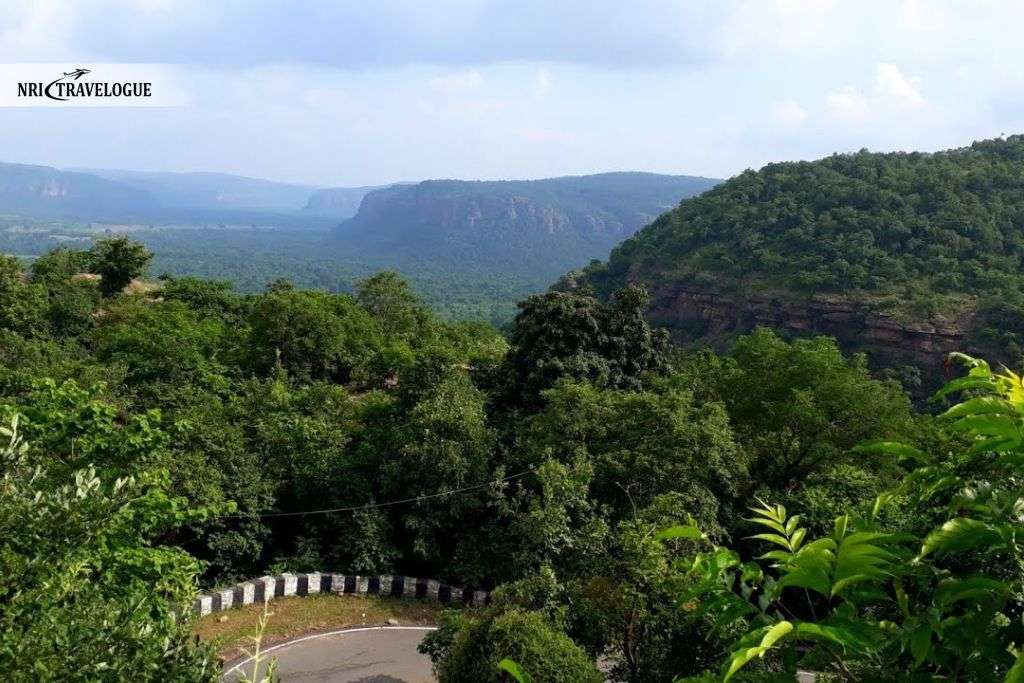
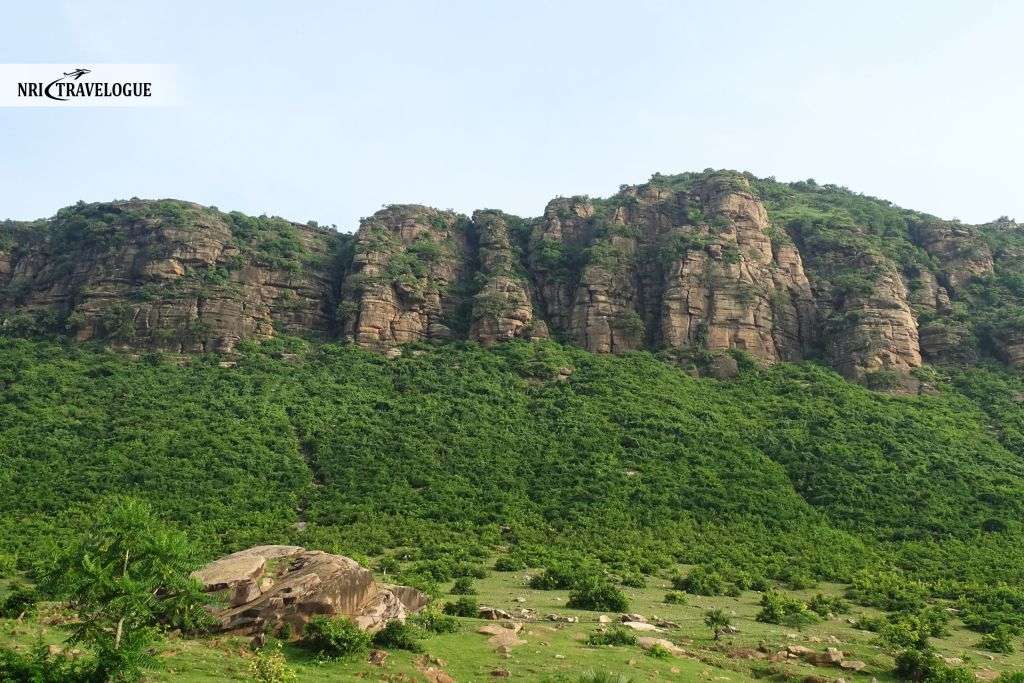
Rocky Hills and Plateaus
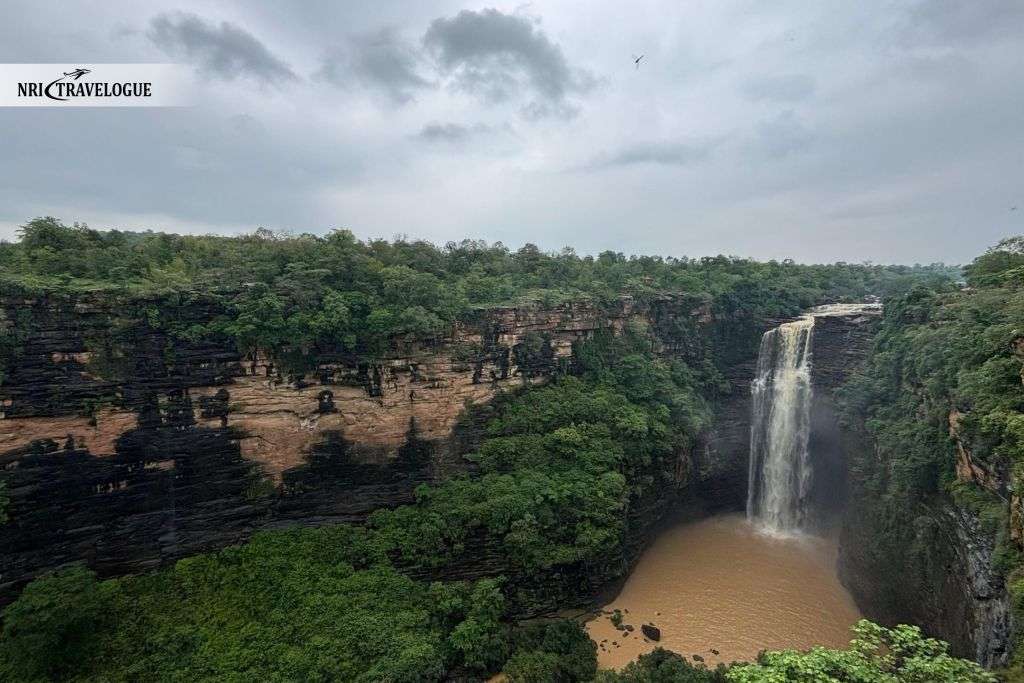
Natural Waterfalls
Ancient Rock Shelters

Rich Biodiversity
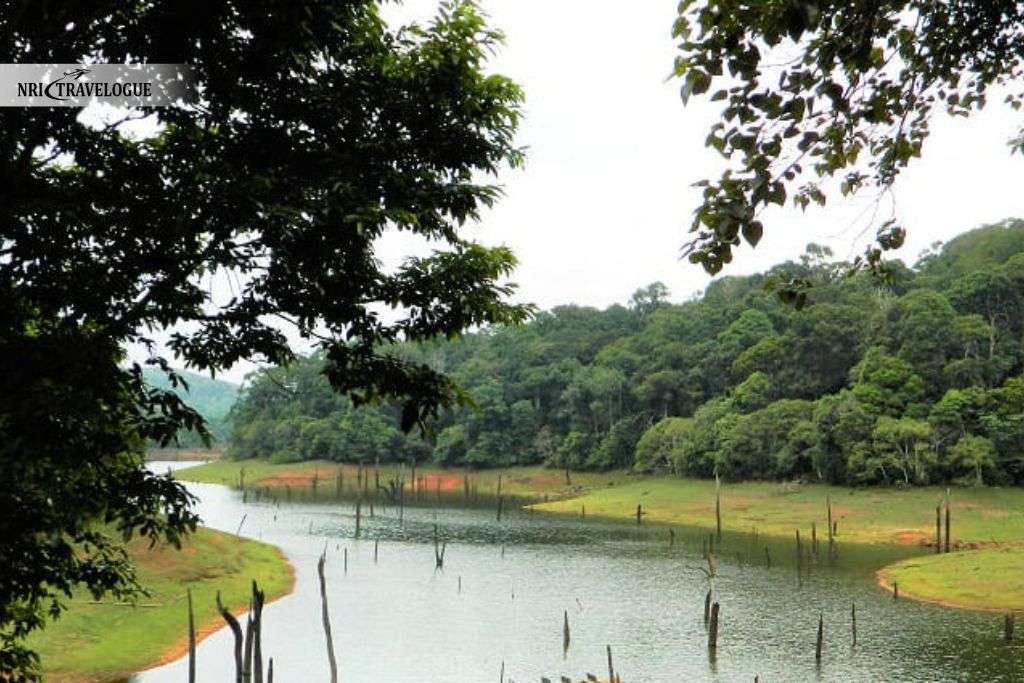
Location and Area
- District: Kaimur (Bhabua), Rohtas (Bihar)
- Nearest Town: Bhabua, Sasaram
- Total Area: Approx. 1,340 sq km
Quick Facts
Category Details
Name Kaimur Wildlife Sanctuary
Location Kaimur & Rohtas districts, Bihar
Total Area ~1,340 sq km
Famous For Leopards, birds, waterfalls, caves
Best Time to Visit October to March
Entry Fee Usually free / nominal (local check)
Nearest Railway Station Sasaram, Bhabua Road
Nearest Airport Varanasi Airport
Ideal Visit Duration 1–3 days
Suitable For Nature lovers, trekkers, birdwatchers
Wildlife in Kaimur Wildlife Sanctuary
Kaimur Sanctuary is home to a wide range of animals, many of which thrive due to minimal human disturbance. Major Mammals
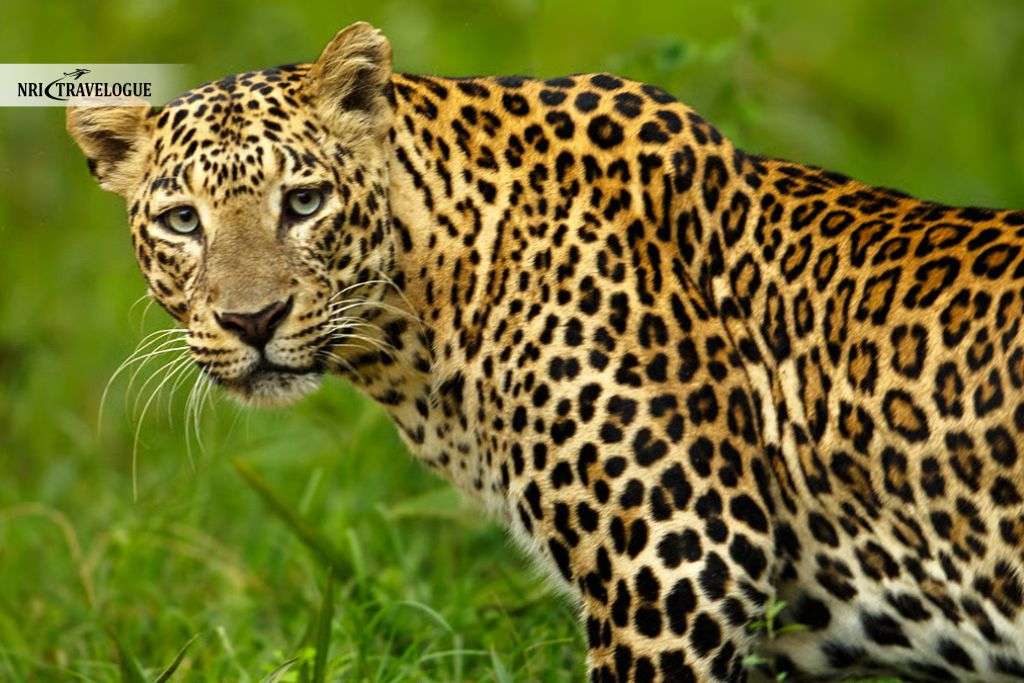
Leopard (top predator of the region)
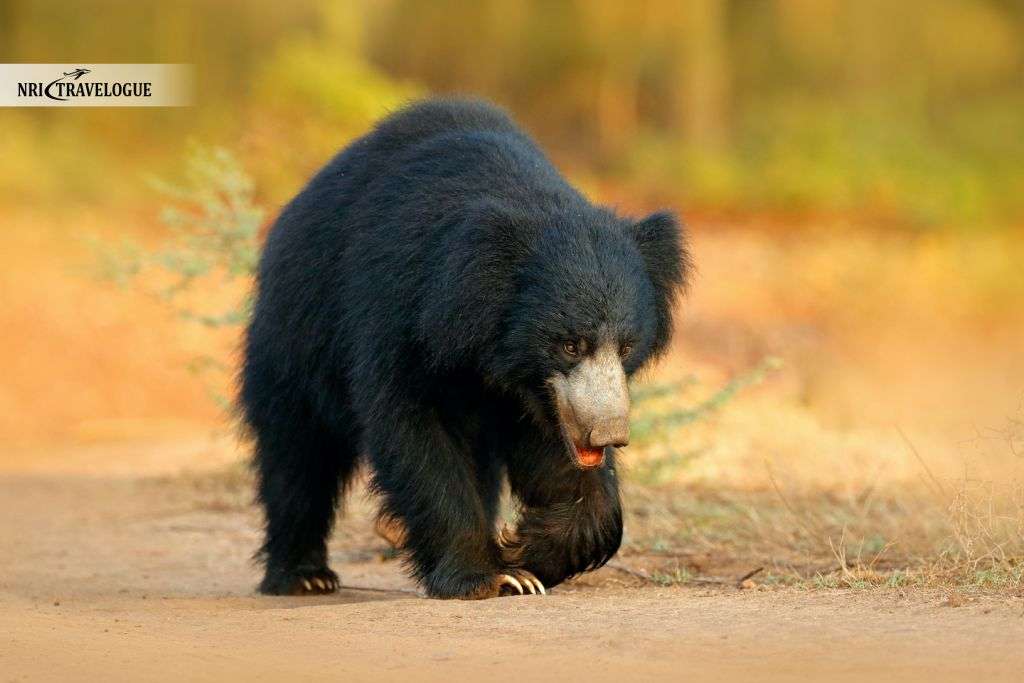
Sloth Bear
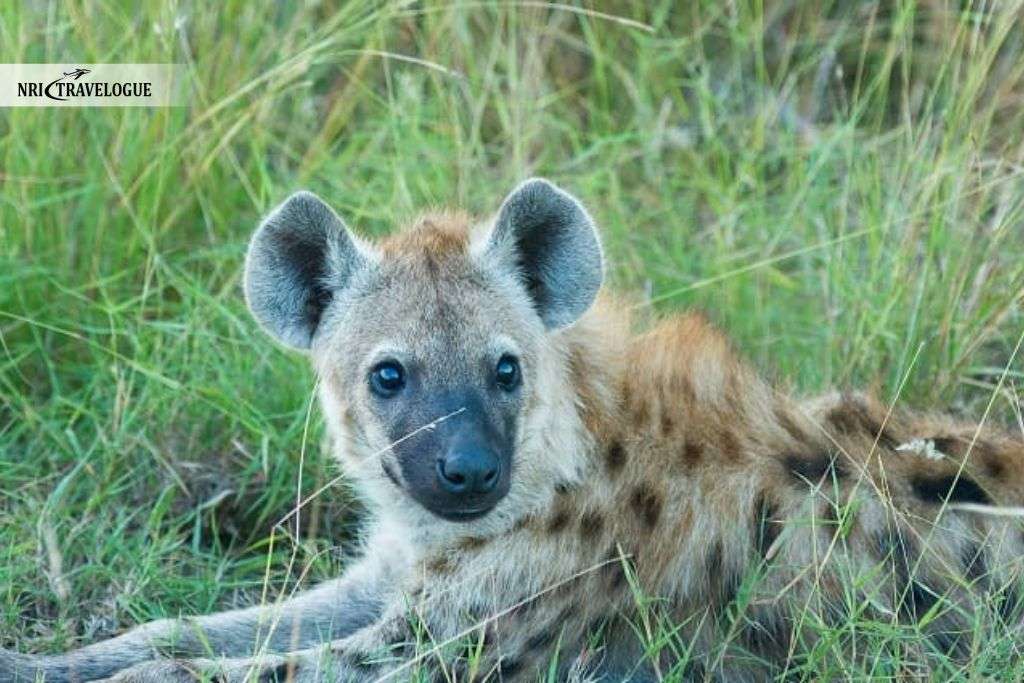
Hyena
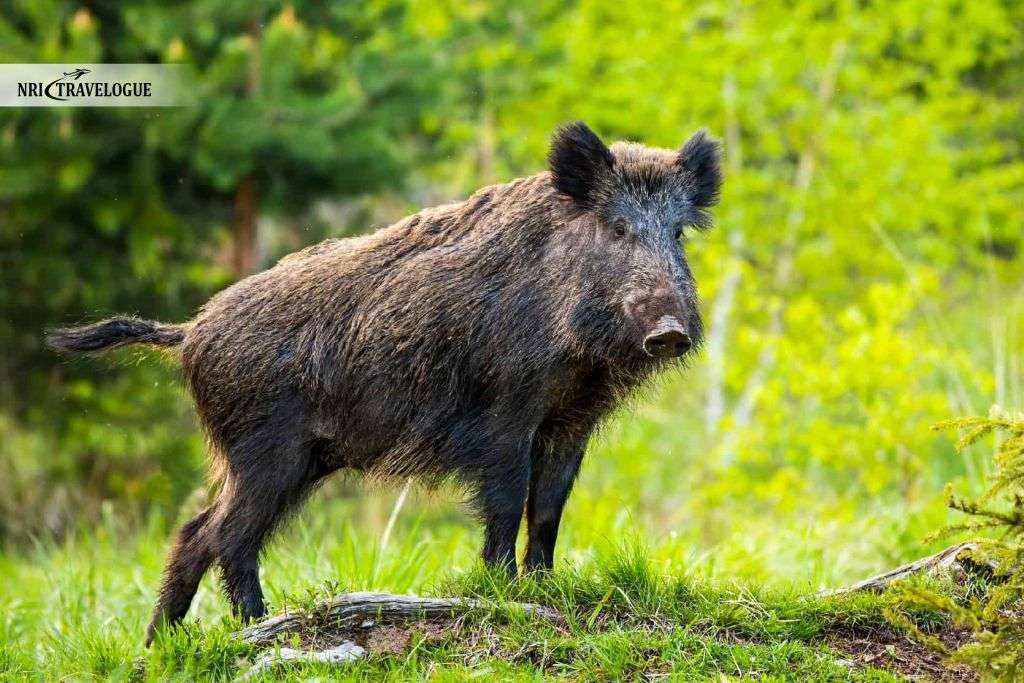
Wild Boar
Chital (Spotted Deer)

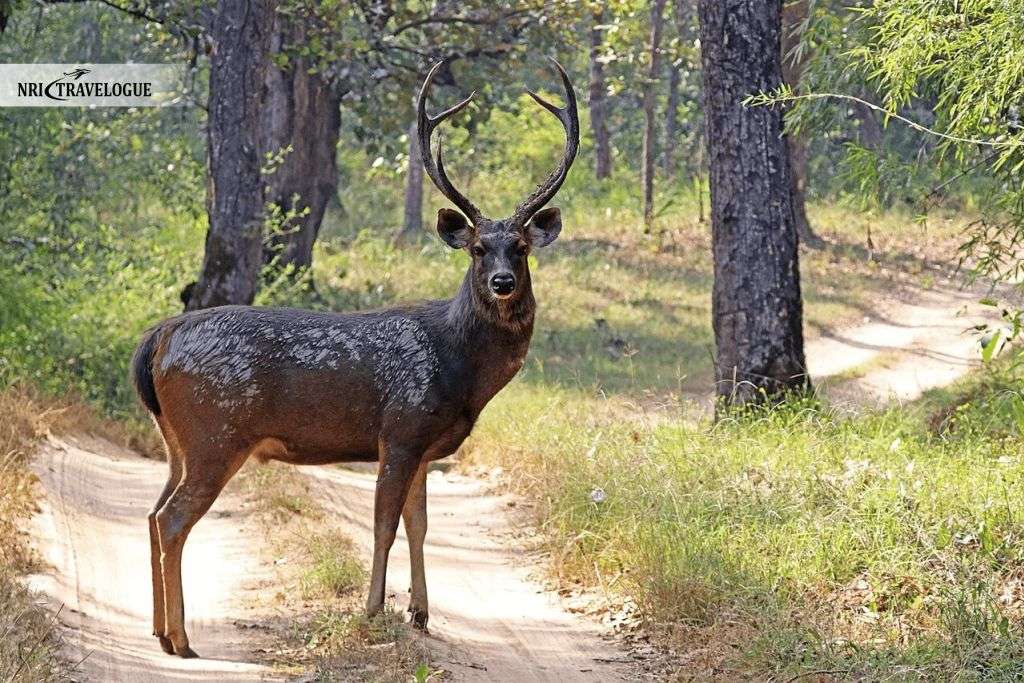
Sambar Deer
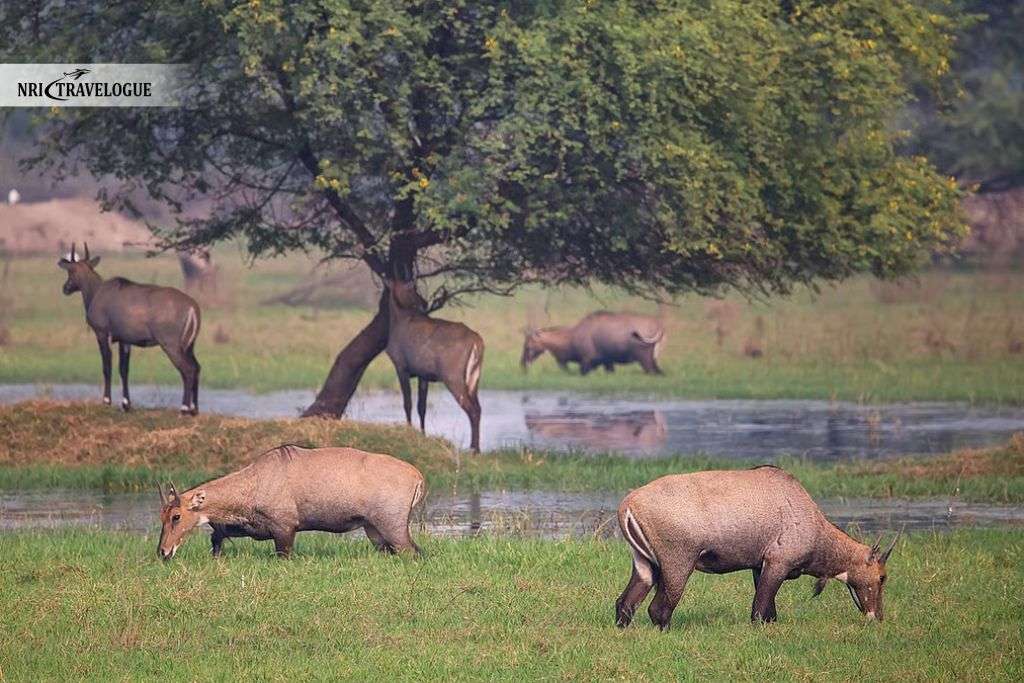
Nilgai
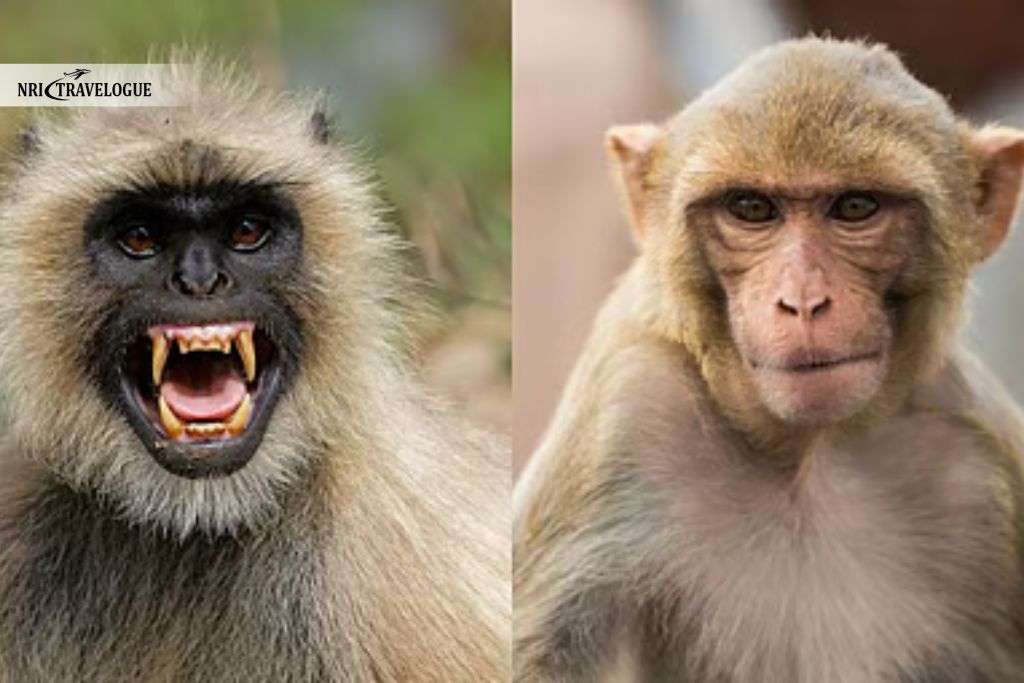
Langur & Rhesus Monkey
Leopards are shy and rarely seen, but their presence is confirmed through forest sightings and camera traps.
Birdlife: A Paradise for Birdwatchers
Kaimur Wildlife Sanctuary is a hidden gem for bird lovers, especially during winter.
Commonly Seen Birds
Indian Peafowl

Grey Francolin
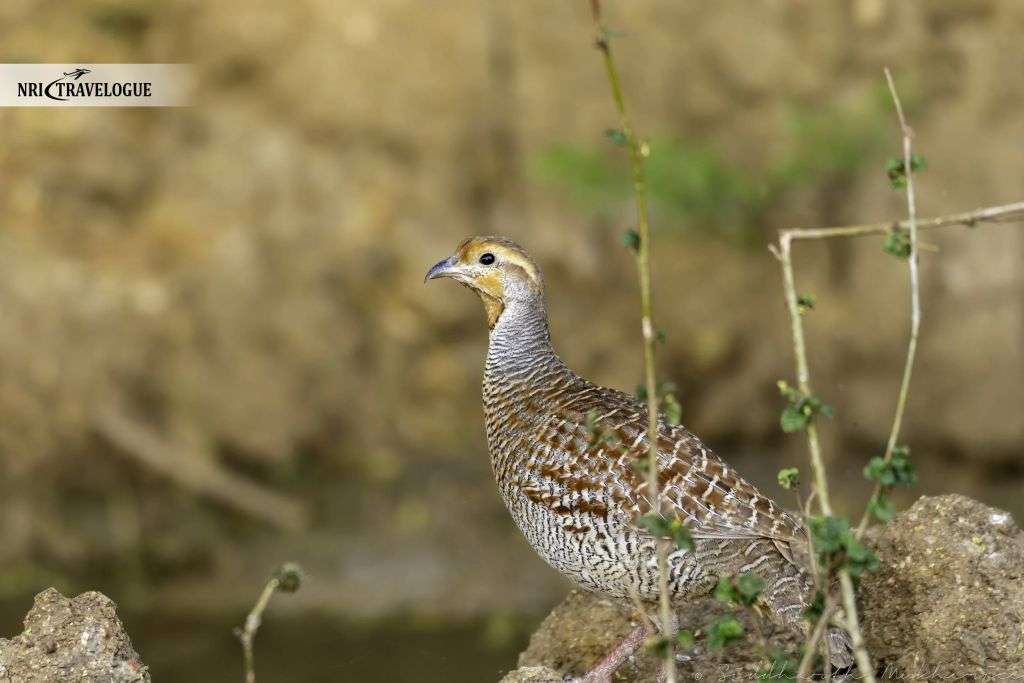
Jungle Fowl

Spotted Dove
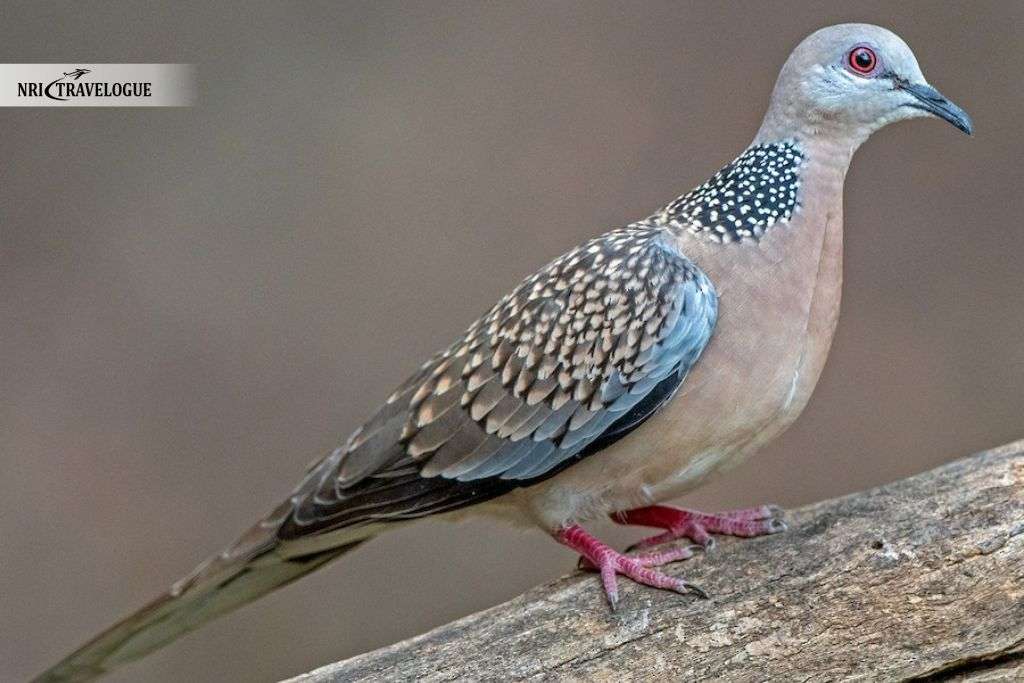
Green Bee-eater
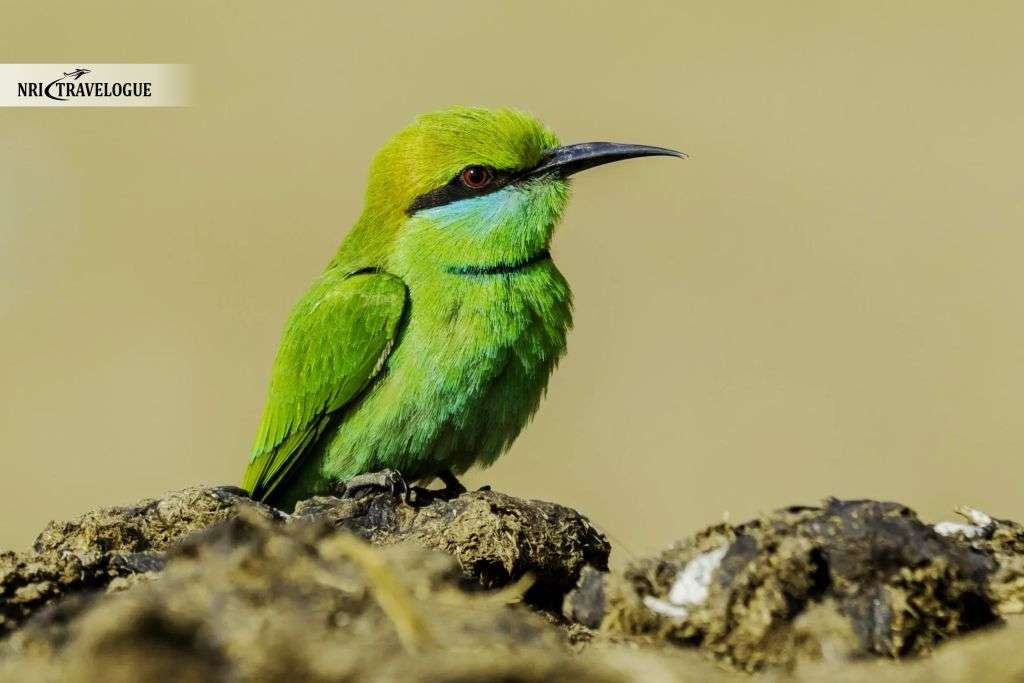
Indian Roller

Kingfishers

Woodpeckers
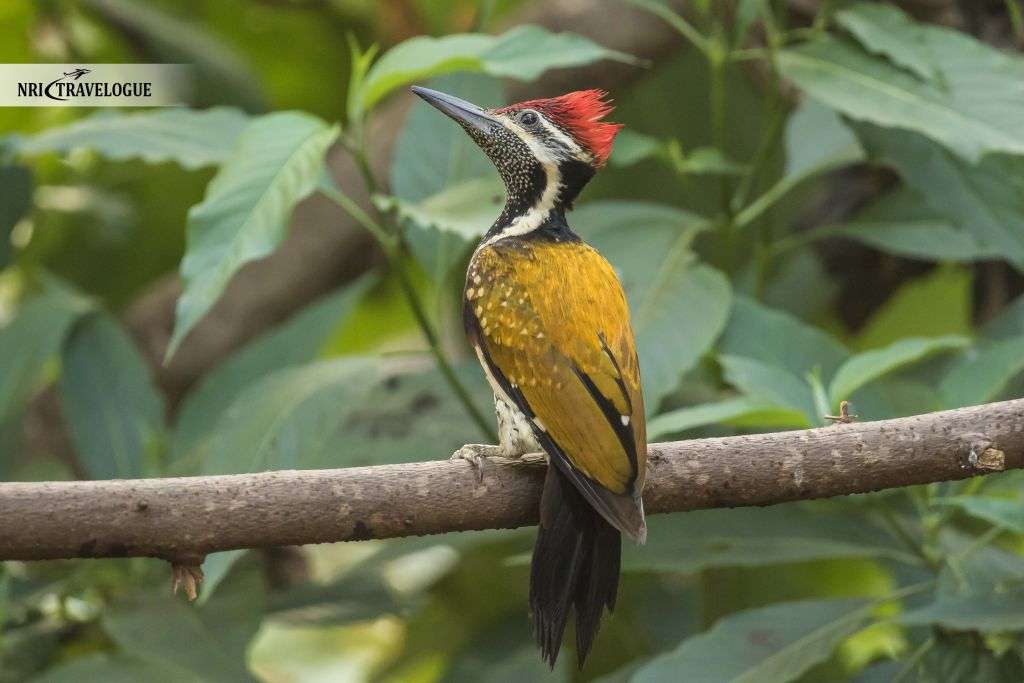
Birds of Prey
Crested Serpent Eagle
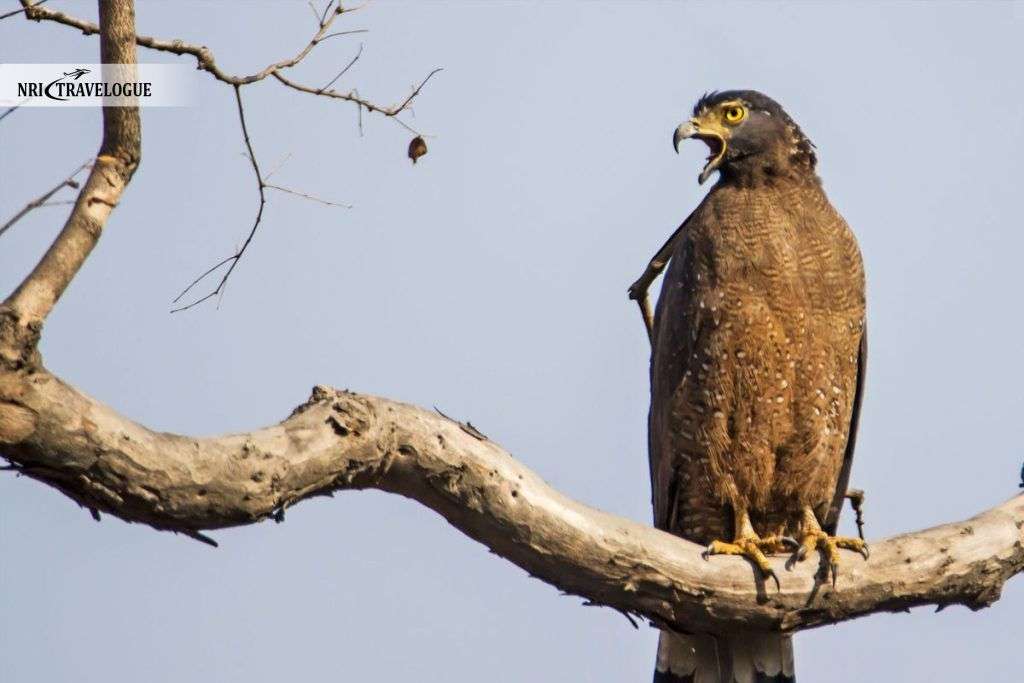
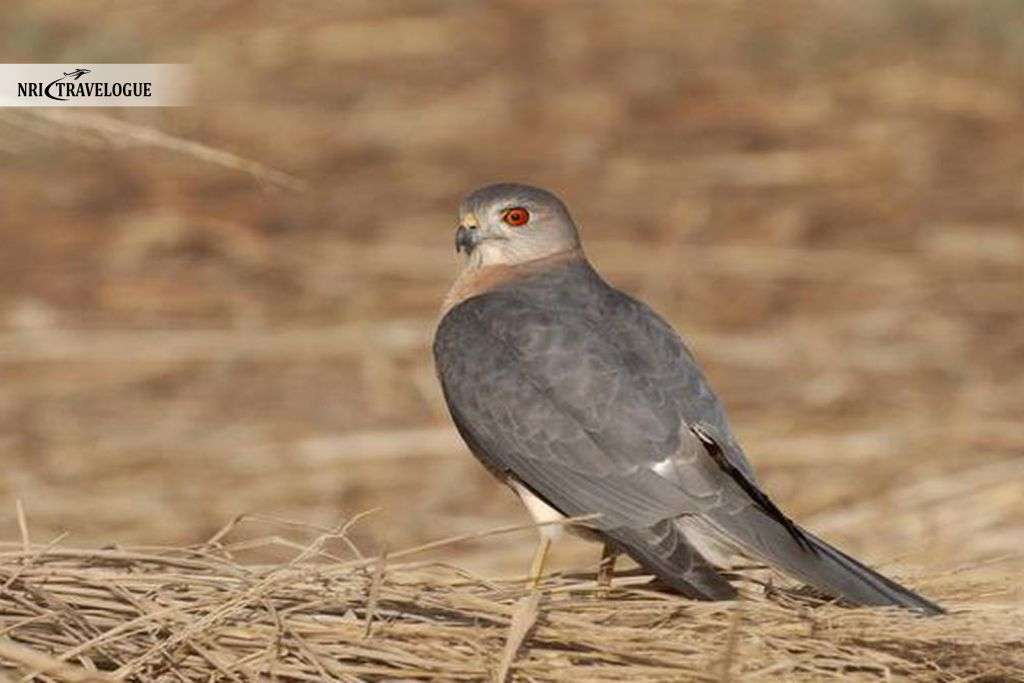
Shikra
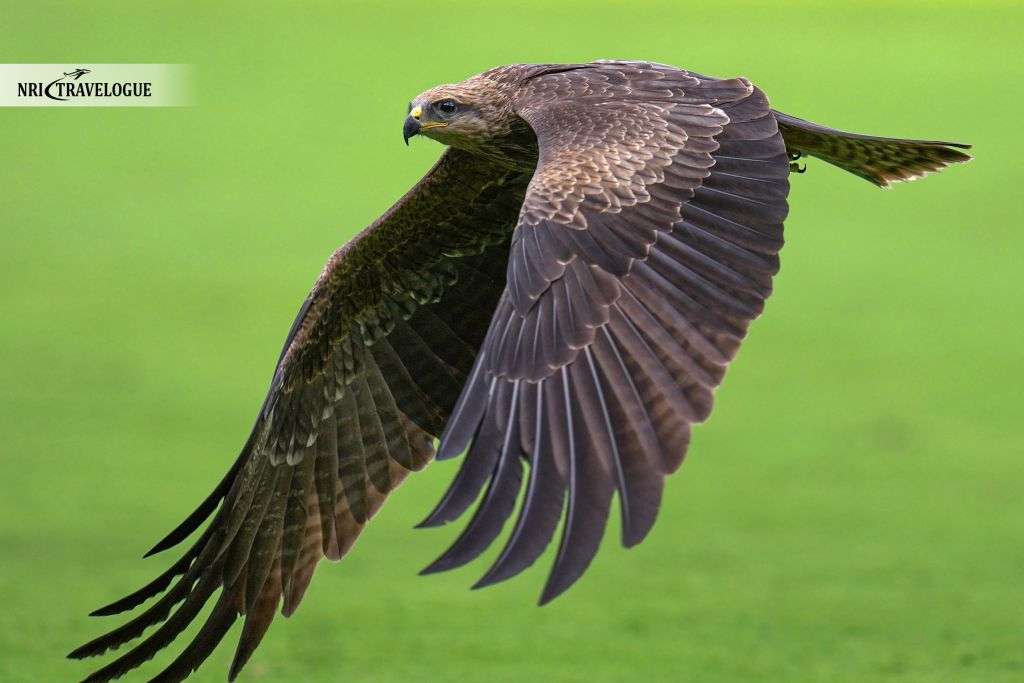
Black Kite
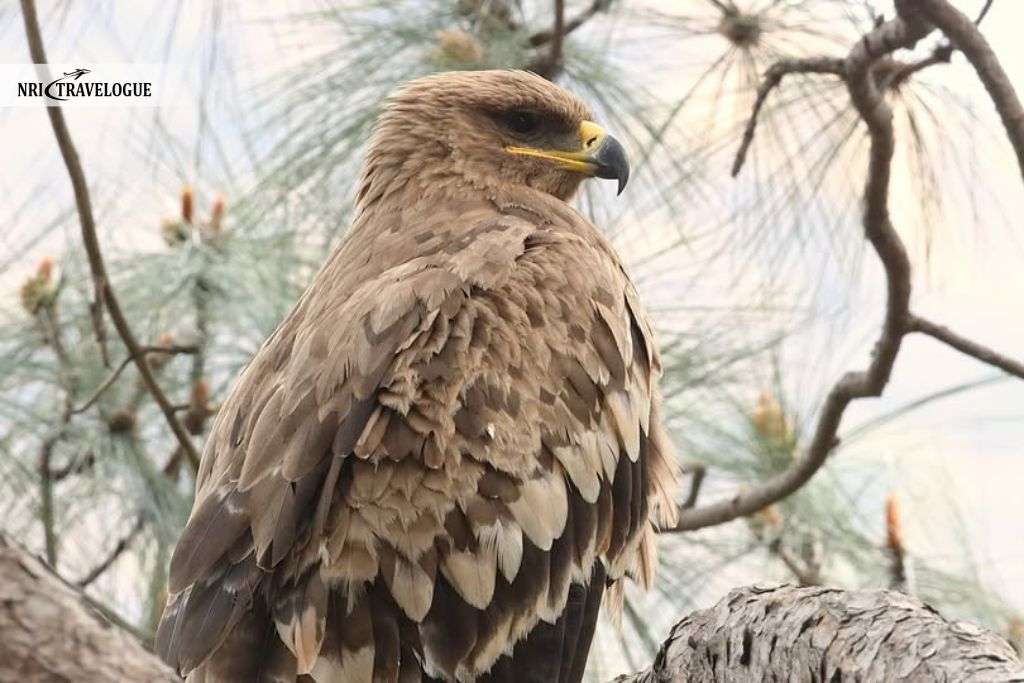
Steppe Eagle (winter visitor)
Flora and Forest Types
The sanctuary mainly consists of tropical dry deciduous forests.
Common Tree Species
- Sal
- Teak
- Bamboo
- Mahua
- Palash
- Jamun
During spring, the forest blooms with flowers, while the monsoon turns it lush green.
Scenic Trails and Nature Walks
Kaimur Wildlife Sanctuary is ideal for forest walks and light trekking.
Popular Scenic Trails
- Forest trails near Telhar Kund
- Pathways around Mundeshwari Hills
- Rocky trails near Gupteshwar Nath caves
- Hill paths near Shergarh Fort ruins
These Trails Offer:
- Forest silence
- Bird sounds
- Natural viewpoints
- Chances to spot animals indirectly
Best Time to Visit Kaimur Wildlife Sanctuary
Best Season: October to March
- Pleasant weather
- Best wildlife movement
- Ideal for trekking and birdwatching
Monsoon (July–September)
- Beautiful greenery and waterfalls
- Slippery trails
- Limited accessibility
Summer (April–June)
- Very hot
- Wildlife sightings limited
- Morning visits only
How to Reach Kaimur Wildlife Sanctuary
By Train
- Sasaram Junction
- Bhabua Road Station
From the station, hire a taxi or auto.
By Road
- Well connected via NH-19 (Grand Trunk Road)
- Easily accessible from Sasaram and Varanasi
By Air
- Nearest Airport: Varanasi (approx. 100 km)
Where to Stay Near Kaimur Sanctuary
There are no luxury resorts inside the sanctuary, but decent options are available nearby.
Stay Options
- Budget hotels in Sasaram
- Guesthouses in Bhabua
- Forest rest houses
Food Options
Food options inside the sanctuary are limited.
What to Expect
- Small roadside dhabas near entry points
- Simple vegetarian food
- Tea and snacks
Why Kaimur Is Ideal for Slow and Mindful Travel
Kaimur Wildlife Sanctuary is not about ticking tourist checklists. It is perfect for slow travel.
Ideal for people who enjoy:
- Walking instead of rushing
- Observing instead of chasing sightings
- Silence instead of noise
- Nature over luxury
Night Sounds and the Hidden Life of Kaimur Forests
A lot of visitors usually explore Kaimur wildlife sanctuary during the day and the forest becomes even more alive after sunset. Through the night safari, you can explore a lot of things but it is not officially permitted. After dusk sanctuary is filled with calls of nocturnal birds rustling of leaves caused by animals moving and insect sounds that create the rhythmic forest music. The hidden nightlife shows how rich and active the ecosystem is even when humans are not around. Staying near the forest and listening to the sounds from a safe distance can be a great experience.
Role of Leopards and Maintaining Forest Balance
Reports are the top predators of Kaimur wildlife sanctuary and play a very important role in maintaining ecological balance. They control the population of herbivores and also prevent overgrazing of forest vegetation. Though leopards are rarely seen, their presence is a strong indicator that the forest ecosystem is healthy and self-assured.
Why does Kaimur Leave a Lasting Impression?
A lot of destinations impressed through luxury and entertainment. Kaimur leaves an impression through silence, depth and raw beauty. You can actually see visitors remembering long white walks, forest sounds, fresh air and simple village life. There’s a feeling of being closer to nature. The emotional connection is what makes Kaimur wildlife sanctuary so special. The clean air greenery and silence creates a natural healing environment making Kaimur suitable for Wellness focused travel.
Why is Kaimur Wildlife Sanctuary so Special?
Unlike crowded national parks Kaimur offers peace and silence and raw jungle experience. You can expect a perfect cultural and natural mix. It is completely budget-friendly and you can enjoy offbeat exploration here. It is your best bet if you enjoy slow travel and nature connection.
Why Responsible Tourism Matters in Kaimur
Kaimur Wildlife Sanctuary is still relatively untouched, and responsible tourism is key to keeping it that way.
Visitors should:
- Carry back all waste
- Avoid plastic
- Stay on marked paths
- Respect wildlife distance
So above all you need to know that Kaimur wildlife actually is one of the most underrated natural treasures of Bihar. From silent forest trails and misty waterfalls to rare birds and elusive leopards the sanctuary offers you a pure and peaceful escape into nature. If you are tired of crowded tourist places and want a real jungle experience in 2025 Kaimur wildlife sanctuary should definitely be on your travel list.