

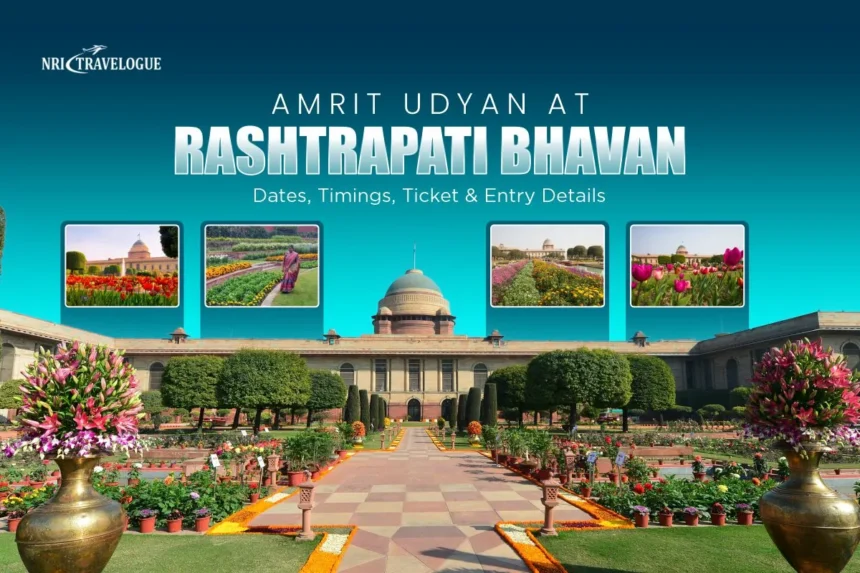
Amrit Udyan, located inside the Rashtrapati Bhavan estate in New Delhi, is one of the city’s most loved seasonal attractions. Earlier known as the Mughal Gardens, it was renamed as part of the celebrations marking 75 years of India’s independence, while still keeping its historic beauty and charm intact.
Every year, the gardens are opened to the public for a limited time during late winter and early spring, when the flowers are in full bloom, and the surroundings look their best. In 2026, the Winter Annuals Edition of Amrit Udyan will welcome visitors from 3 February to 31 March, giving people a chance to experience its colourful displays and peaceful atmosphere up close.
Planning Your Visit: Dates, Timings, and Closures
Amrit Udyan’s winter opening welcomes visitors six days a week, from 10:00 am to 6:00 pm, with the last entry allowed at 5:15 pm. The garden stays closed every Monday for regular maintenance. It will also remain shut on March 4 due to the Holi holiday.
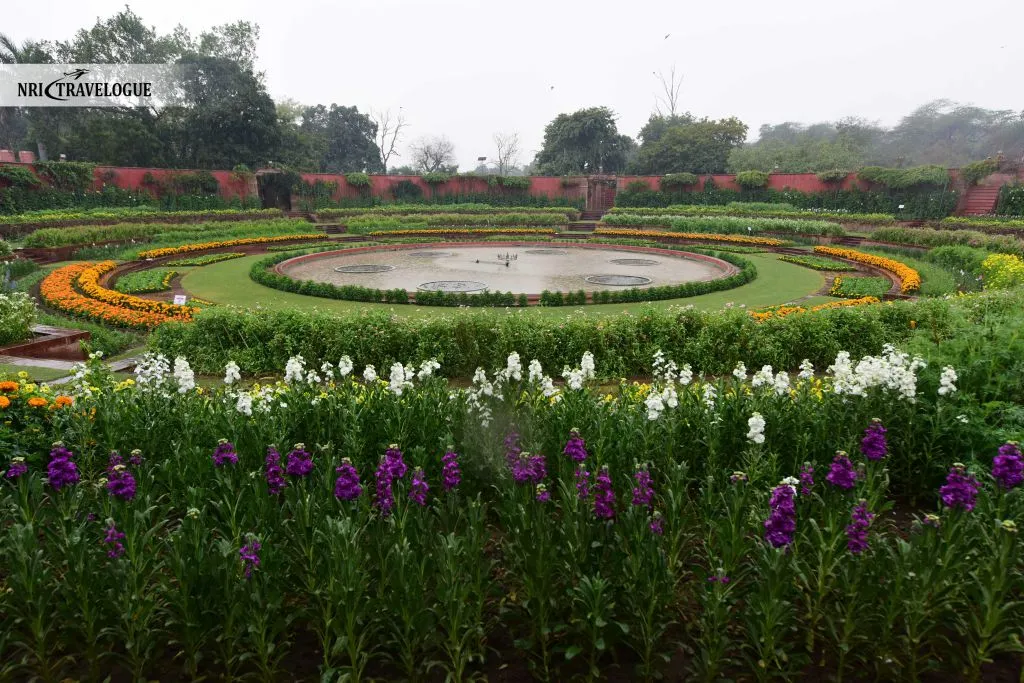
Since the garden is open only for a short seasonal period, choosing the right time to visit matters. The most beautiful phase is usually from mid-February to March, when the space is filled with vibrant tulips, roses, marigolds, and many other flowers in full bloom. Visiting during these weeks gives you the best chance to experience the garden at its most colourful and lively.
Booking and Entry Information
Visiting Amrit Udyan is completely free, but for 2026, online booking is required. You’ll need to reserve your entry slot through the official Rashtrapati Bhavan website at visit.rashtrapatibhavan.gov.in.
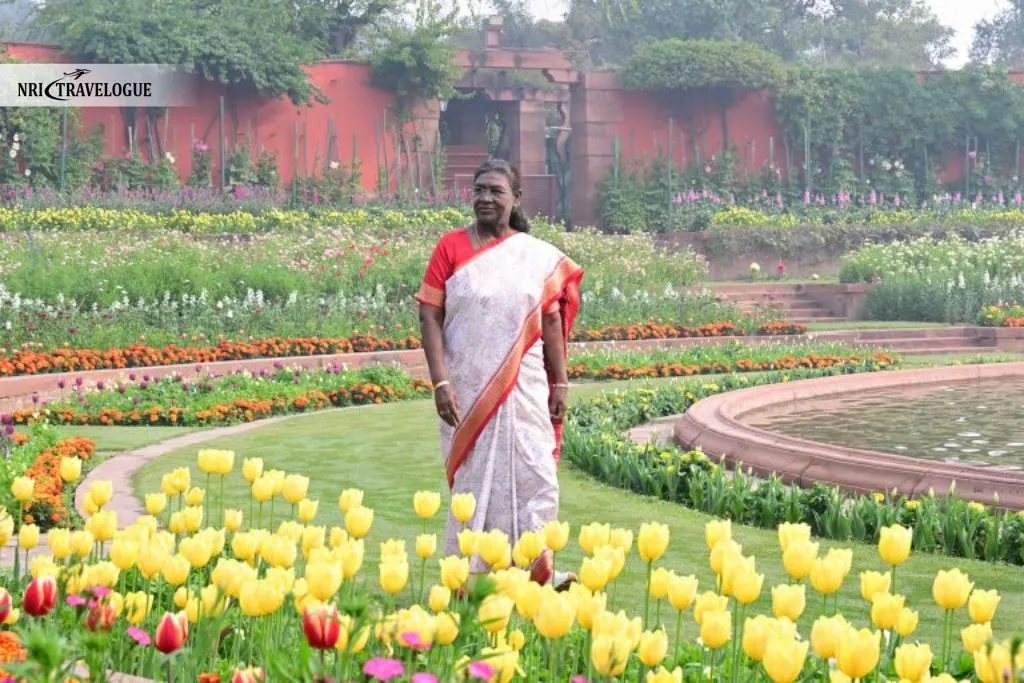
Bookings for any given day close by 10:00 am on the previous day, so it’s best to plan ahead. Weekend slots tend to fill up quickly, so early booking is strongly recommended.
There are no ticket counters at the venue, which means you cannot buy or collect tickets on arrival. However, for visitors who turn up without a booking, self-service registration kiosks are usually set up near the entry gate. These allow walk-in registration, but availability is limited and not guaranteed.
How to Reach Amrit Udyan
Getting to Amrit Udyan is quite simple, especially if you’re familiar with central Delhi. The entry for visitors is through Gate No. 35 of the Rashtrapati Bhavan complex, located near the junction of North Avenue and Rashtrapati Bhavan.
By Metro:
The nearest metro stations are Central Secretariat and Shivaji Stadium, both about 2 km from the entry gate. From Central Secretariat, a free shuttle bus runs every 30 minutes between 9:30 am and 6:00 pm and drops visitors directly at Gate No. 35, making the journey very convenient.
By Road:
If you’re driving, you can reach North Avenue easily via the main city roads. Parking is usually available nearby, though weekends can be busier, so it’s better to arrive a bit early.
By Train:
For those coming from outside Delhi, New Delhi Railway Station is about 4.4 km away. Other major stations like Hazrat Nizamuddin and Old Delhi Railway Station are roughly 9–10 km from the garden. From any of these stations, you can take a taxi, auto, or metro to reach the venue comfortably.
What to See and Experience
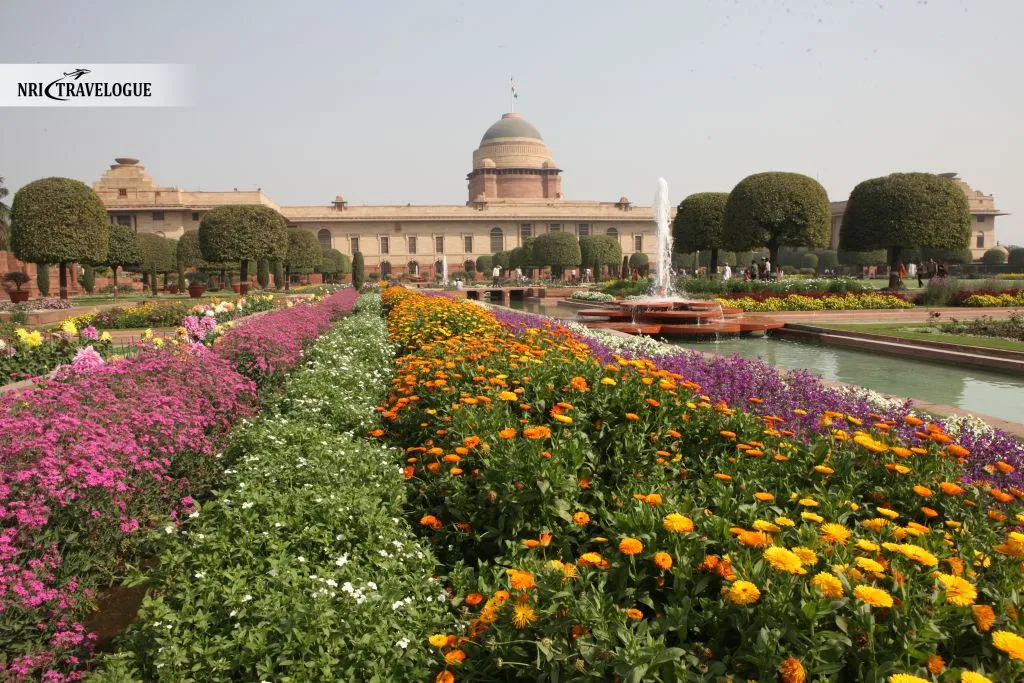
Amrit Udyan is not just a garden to walk through. It feels more like a thoughtfully planned journey through nature, where classic Mughal-style design meets modern landscaping. The space is divided into several themed sections that flow into one another, including the Central Lawn, Long Garden, Circular Garden, Bonsai Garden, Musical Garden, Spiritual Garden, Sensory Garden, and Arogya Vanam.
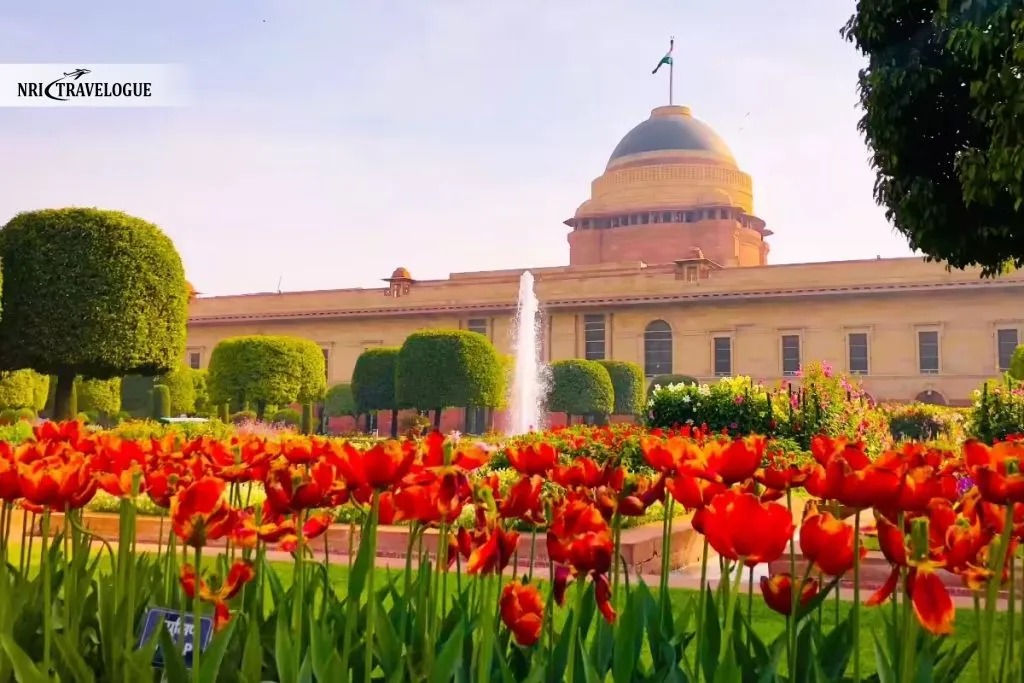
As you explore, you’ll notice a wide range of plants and flowers arranged in neat, geometric patterns. Bright tulips and seasonal flowers add colour across the garden beds. One of the highlights is the rose collection, with over 140 varieties in full bloom, along with hyacinths, marigolds, dahlias, and many other favourites. The Bonsai Garden features carefully maintained miniature trees, some of which are decades old. There is also Bal Vatika, a special area designed for children where they can connect with nature in a fun and engaging way.
To make the visit more interesting and informative, QR codes are placed throughout the garden. By scanning them with a phone, visitors can learn more about the different plants, flowers, and their unique features while they walk around.
Visitor Amenities and Facilities
Amrit Udyan is well prepared to handle a large number of visitors and make the experience comfortable for everyone. Basic facilities are thoughtfully arranged across the garden so people can explore without any inconvenience.
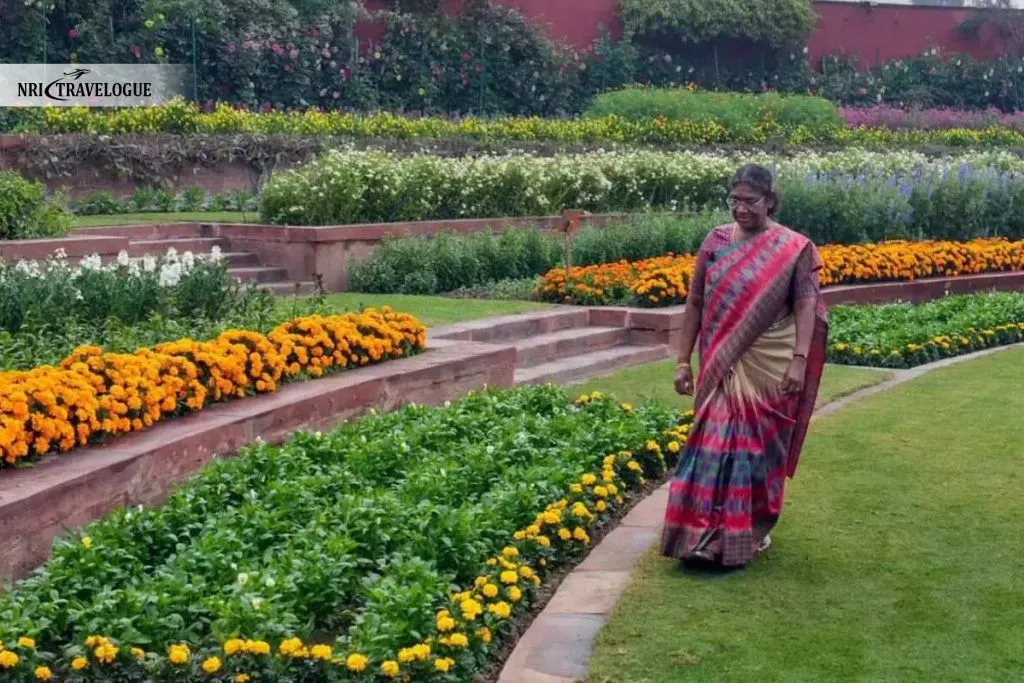
Visitors can find clean drinking water points, cloakrooms to keep belongings safe, well-maintained toilets, and medical assistance if needed. There are also souvenir shops and food courts where you can take a short break, grab a snack, or pick up a keepsake. The garden is designed to be accessible, with wheelchair support available so that people with disabilities can move around easily and enjoy the visit.
Special Days and Inclusive Visits
To make the experience more welcoming and inclusive, Amrit Udyan sets aside certain days for specific groups. These dedicated days help create a more relaxed environment and often mean fewer crowds.
In recent years, special entry days have been arranged for:
- Defence personnel
- Senior citizens
- Women and tribal women’s Self-Help Groups
- Differently-abled visitors
These arrangements allow these groups to explore the garden at a comfortable pace and enjoy the surroundings with greater ease.
Why Amrit Udyan is a Must-Visit This Year
Amrit Udyan opens for a short time each year, right when winter and early spring flowers are at their best. During this period, the gardens are filled with bright colours, fresh blooms, and perfectly kept lawns that make the whole place feel calm and beautiful. It’s not just about taking a walk. You get to explore, learn, and simply enjoy being surrounded by nature, which makes the visit truly memorable.
Set inside the Rashtrapati Bhavan complex, the garden also carries a deeper meaning. The location itself represents India’s heritage and democratic history. The layout blends the charm of traditional Mughal garden styles with modern landscaping, giving it a unique character. For many visitors, this cultural touch makes the experience even more special. If you love nature or photography, the blooming season is the perfect time to visit. You’ll find endless chances to capture close-ups of roses, wide views of colourful flower beds, and simple, happy moments of families enjoying the peaceful surroundings.