

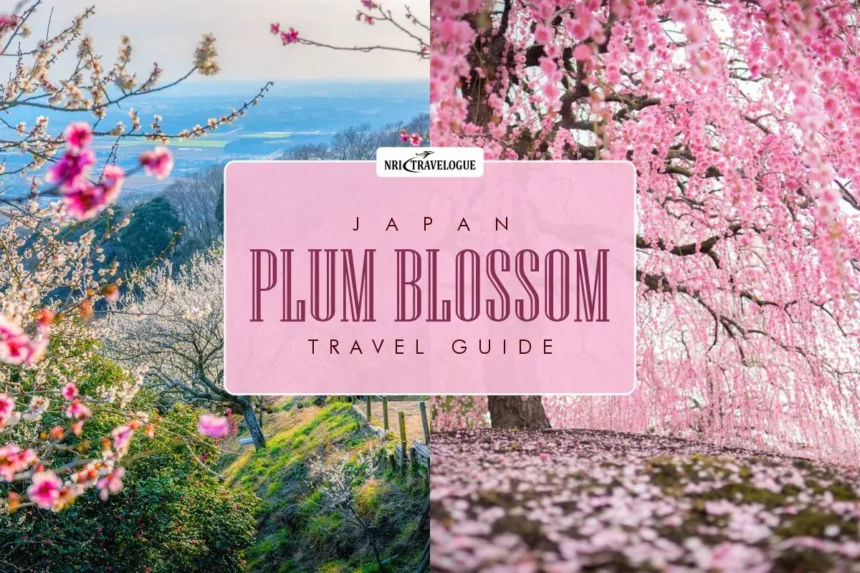
Japan is famous for its beautiful cherry blossoms. Every year millions of travelers plan their trips Just to actually see the pink sakura trees in full bloom. But what you might not know is that spring in Japan actually begins earlier with plum blossoms. Known as Ume in Japanese plum blossoms quietly announced the end of winter. They bloom when the air is still cool and sometimes even while snow remains on the ground. The soft fragrance, delicate petals and peaceful atmosphere create one of the most magical travel experiences in Japan. . If you want to enjoy flowered viewing without the huge crowds, expensive hotel prices and packed parts, plum blossom season might be the perfect time for you to visit Japan.
What are Plum Blossoms?
Plum blossoms come from the Japanese apricot tree. Even though they are known as plum blossoms the fruit is closer to the apricot than plum. The flowers bloom before cherry blossoms usually between February and early March depending on the region. Because they bloom during colder weather, plum blossoms symbolize strength and new beginnings in Japanese culture. For locals, seeing the flowers usually means winter is finally ending.
Unlike sakura, plum blossoms have:
- Rounder petals
- Strong sweet fragrance
- Deeper pink, white, or red colors
- Longer blooming periods
Why Visit Japan During the Blossom Season?
You might just focus on cherry blossom season but plum blossom travel also offers amazing benefits. Cherry blossom seasons attract massive international tourism. Parks become crowded and trains fill quickly. Plum blossom season feels calmer and more local. You can walk peacefully through gardens, take photos and enjoy traditional tea houses quietly. Flights and hotels are usually cheaper as compared to late March and April. This makes it ideal for you if you’re a budget traveler or photography lover. Japan slowly wakes up during this time. You can experience cool fresh air and seasonal foods. It feels intimate and authentic.
Best Time to See Plum Blossoms in Japan
Plum blossoms bloom at different times across Japan because of climate differences.
Southern Japan
Late January – February
Warmer areas bloom first.
Central Japan (Tokyo, Kyoto, Osaka)
Mid-February – Early March
This is the most popular viewing period.
Northern Japan
March – April
Best Places to See Plum Blossoms In Japan
1. Tokyo
Tokyo offers some of the most wonderful plum viewing locations right inside the city. Yushima Tenjin shrine is one of the most famous plum blossom spots. Around 300 trees bloom around the shrine, creating an amazing spiritual atmosphere. Often you can see students visiting here to pray for academic success.
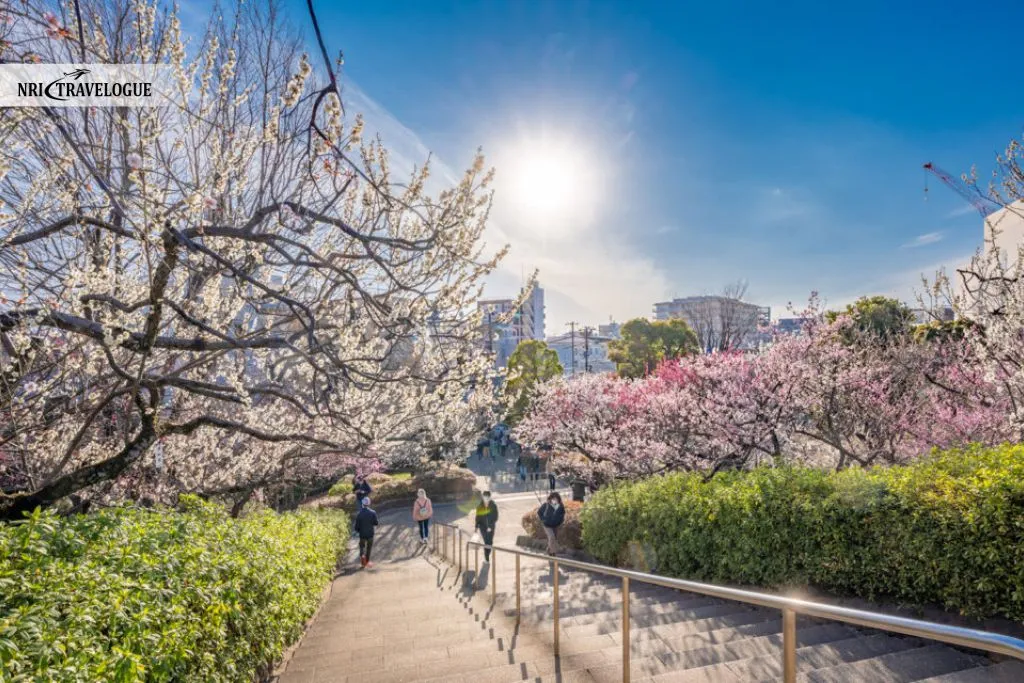
At the same time Henagi Park is home to more than 600 plum trees and a lively plum festival. You can find stalls and performances.
2. Kyoto
Kyoto feels especially magical during the plum blossom season because ancient temples blend beautifully with early spring flowers. Kitano tenmangu shrine is famous for more than 1000 plum trees.
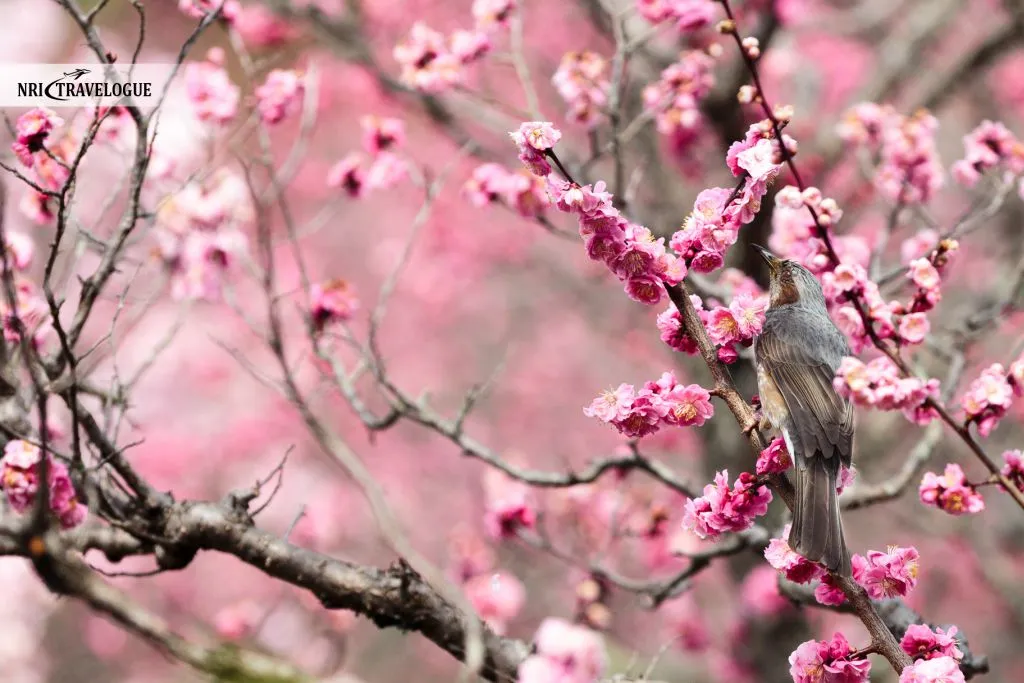
The plum garden opens seasonally and visitors can enjoy tea ceremonies surrounded by blossoms. You can walk through Kyoto during this time as it feels like stepping into a traditional painting.
3. Osaka
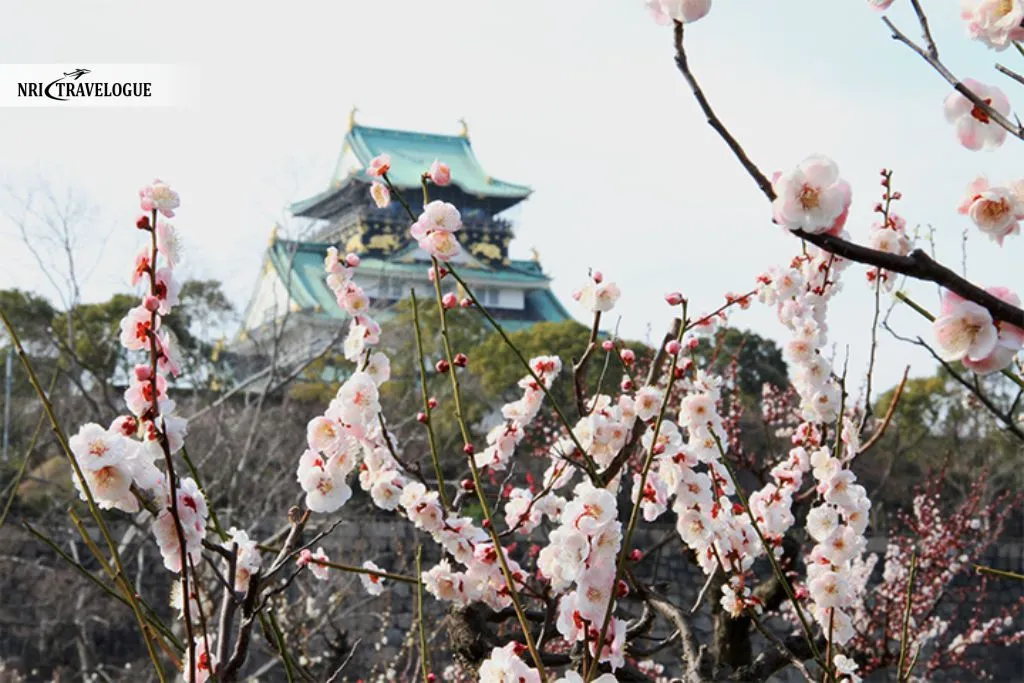
Osaka combines city energy with seasonal beauty. With more than 1200 plum trees, the location becomes one of the largest plum viewing areas of Japan. You can enjoy the castle views with blossoms and street food festivals besides local festival vibes.
4. Nara
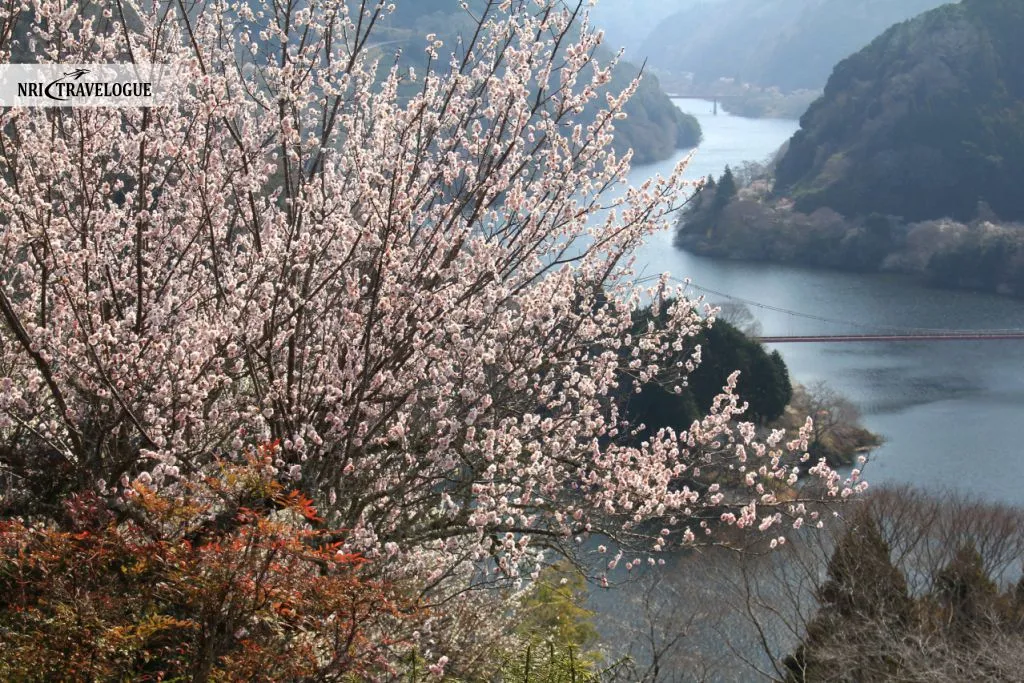
If you want fewer tourists, Nara is perfect. One of the most scenic plum blossom landscapes with thousands of trees covering hillsides is Tuskegee’s plum valley; the combination of valley rivers and blossoms creates breathtaking views.
5. Atami
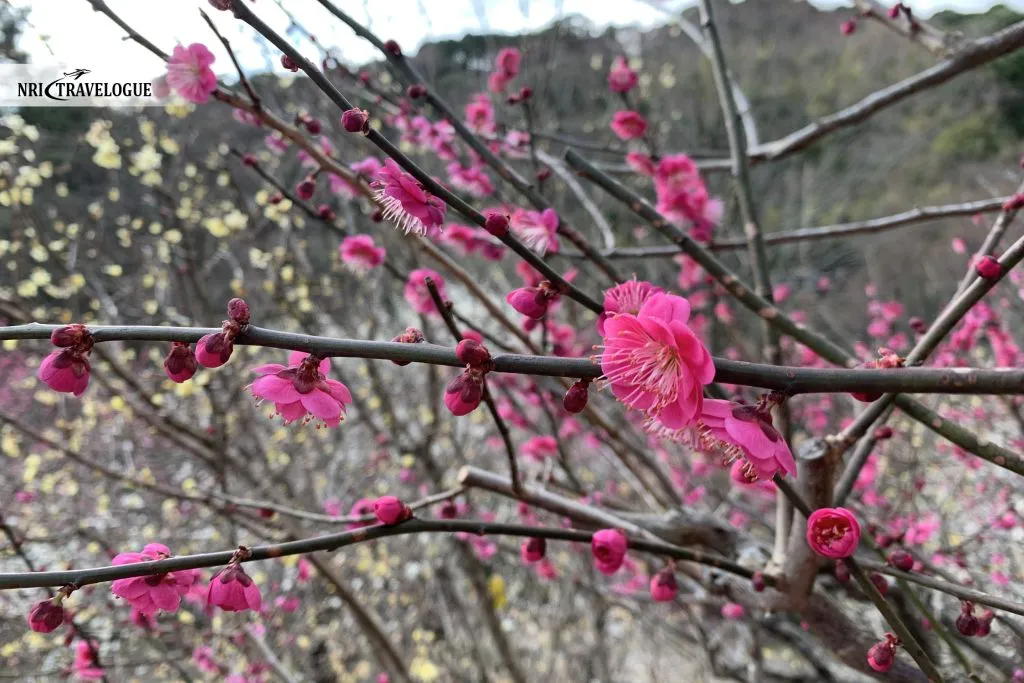
Located near Tokyo, Tatami is famous for some of the earliest blossoms of Japan. The plum garden hosts an annual festival featuring night illumination local food stalls and cultural performances. It’s perfect for you if you are visiting in Japan in January or early February.
Plum Blossom Festivals
During bloom season many cities celebrate with ume mastouri or plum festivals. The festivals usually include traditional musical performance, tea ceremonies and street food markets. Unlike crowded cherry blossom parties the festivals just feel relaxed and culturally rich. It’s a great way to experience Japanese traditions closely
Cultural Meaning of Plum Blossoms in Japan
Plum blossoms have deep historical importance. In ancient Japan, before cherry blossoms became prominent, plum blossoms were the main flower admired by aristocrats. They symbolize renewed hope after hardship and elegance and purity because they bloomed during cold weather and represent strength and resilience. Many traditional poems and artworks celebrate the flowers as signs of courage and patience.
Plum Blossoms vs Cherry Blossoms
Travelers often ask which season is better
| Feature | Plum Blossoms | Cherry Blossoms |
| Bloom Time | Feb–Early March | Late March–April |
| Crowds | Low | Very High |
| Fragrance | Strong | Light |
| Travel Cost | Lower | Expensive |
| Atmosphere | Peaceful | Festive |
What to Eat During Plum Blossom Season
Seasonal food makes travel even more enjoyable.
Popular ume-themed foods include:
- Umeboshi (pickled plums)
- Plum-flavored sweets
- Plum tea
- Ume sake (plum wine)
- Seasonal desserts
Photography Tips for Plum Blossoms
Plum blossoms are perfect for photography lovers.
Best Tips:
- Visit early morning for soft light
- Capture flowers with temple backgrounds
- Focus on close-up shots showing texture
- Use cloudy days for softer colors
- Include people in traditional clothing for storytelling photos
Because crowds are really small, you can take your own time composing shots.
Travel Tips for Plum Blossom Season
You can dress in layers. Weather can be called especially mornings and evenings. You can carry a light jacket or comfortable walking shoes. Room dates change yearly depending on the temperature. You must always check the local updates before planning. Combined with winter experiences you can just enjoy the hot spring snow landscape and seasonal winter foods. The combination makes the trip unique.
Hidden Plum Blossoms Spots Worth Exploring
If you enjoy offbeat travel, local neighborhood temples and mountain villages, sometimes the most memorable moments happen away from famous locations. You might find yourself alone among blooming trees or have a rare experience in Japan’s busy tourism season.
Suggested 7-Day Plum Blossom Itinerary
Day 1–2: Tokyo
Visit Yushima Tenjin and Hanegi Park.
Day 3: Atami
Enjoy early blooms and hot springs.
Day 4–5: Kyoto
Explore Kitano Tenmangu Shrine and temples.
Day 6: Osaka
Visit Osaka Castle Plum Grove.
Day 7: Nara
Relax in Tsukigase Plum Valley.
Understanding the Different Colours of Plum Blossoms
Not all plum blossoms look the same. In fact the colors carry subtle meanings and visual differences that you might just ignore. White plum flowers represent purity and elegance. They often bloom slightly earlier than darker varieties and creators after the winter atmosphere. Pink blossoms are the most photographed. The gentle color contrasts beautifully against blue winter skies. Deep red varieties symbolize strength and protection. The trees stand out dramatically. Taking time to notice these variations at depth to your travel experience.
Whether Expectations Suring Plum Blossom
If you’re a first time visitor you might assume that spring weather begins during plum blossom season but Japan is still transitioning from winter. Typical conditions include cool mornings and evenings and mild sunny afternoons. Temperatures usually range anywhere between 5°C to 15°C depending on the city. Because the weather changes quickly, layering clothes is very important. A warm jacket in the morning might feel unnecessary by afternoon. Interestingly cooler temperatures help plum blossom last longer giving you more viewing opportunities as compared to cherry blossoms
So above all you need to know that Japan’s plum blossom season is one of the best kept travel secrets. While cherry blossoms captured global attention, plum blossoms offer something equally beautiful but quieter and more intimate and deeply cultural. They remind you that beauty doesn’t always arrive with the louder celebration. Sometimes it appears gently at the end of winter and new beginnings. If you want to experience Japan in a relaxed and meaningful way, plan your journey during the plum blossom season. You might discover a side of Japan that many travellers never see and the peaceful joy of spring’s first flowers.